
Review · JAPAN BUS TOURS
Hiroshima, Osaka, Kyoto: Miyajima & Hiroshima 1-Day Bus Tour
The most powerful part of this day is the sharp contrast between Miyajima’s sacred island setting and Hiroshima’s sober memorial sites. You’ll see Itsukushima Shrine and its famous Great Torii Gate, then face the Atomic Bomb Dome and the Peace Memorial Museum. I like that the day joins beauty, food, religion, and history rather than treating Hiroshima as only a quick museum stop.
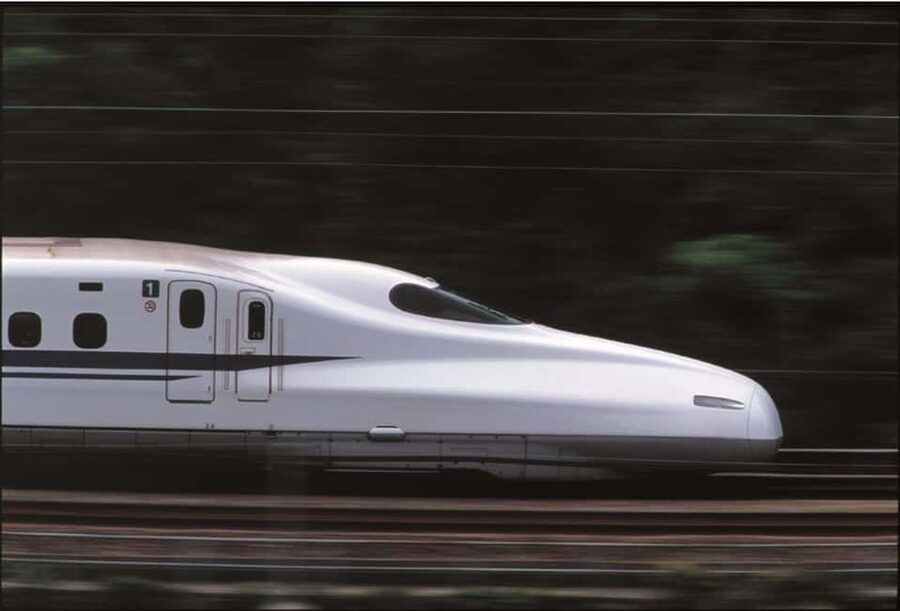
I also like the practical setup: the Kyoto and Osaka options include round-trip Shinkansen tickets, and lunch is left flexible on Miyajima, where you can choose oysters, okonomiyaki, manju, or something simpler. The trade-off is clear: this is a long group outing, with plenty of walking and little room for delays. If you need a slow pace, this may feel rushed.
Key points at a glance
- Two World Heritage highlights in one day: Visit Itsukushima Shrine on Miyajima and Hiroshima’s Atomic Bomb Dome.
- A useful Kyoto or Osaka departure: The Shinkansen is included with those plans, making a far-away day trip easier to manage.
- Free time for local food: You buy your own lunch on Omotesando Shopping Street, with oysters, okonomiyaki, and sweet manju among the choices.
- A serious historical visit: About 90 minutes is set aside for the Peace Memorial Museum after a guided visit to the Atomic Bomb Dome.
- English guidance throughout: The tour is conducted in English, with a guide leading the main visits and explaining cultural context.
- A demanding schedule: Expect trains, buses, ferries, and a significant amount of walking over 8 to 12 hours.
Why this day works as a Hiroshima introduction
This tour gives you two very different ways to understand Hiroshima. Miyajima shows Japan through shrine architecture, island scenery, local food, and long-standing religious tradition. Hiroshima Peace Memorial Park asks you to slow down and consider the human cost of August 6, 1945.
That contrast gives the day a useful shape. You begin with the visual appeal of red shrine buildings and the sea, then move toward places that require quiet attention. I like this balance because it prevents the experience from becoming either a simple sightseeing checklist or an entirely somber history lesson.
The tour is especially useful if you are based in Kyoto or Osaka and do not want to plan several train connections yourself. The Kyoto and Osaka plans include round-trip Shinkansen tickets, while the Hiroshima option begins at Hiroshima Station. Check the exact meeting point for your chosen plan, since it can vary.
You should also keep your expectations realistic. This is a group tour, not a private guide service. The day follows a fixed schedule, and the bus leaves on time. Traffic, ferry timing, and crowd levels can shorten visits or delay your return.
More Bus Day Trips in Japan
- Mt Fuji and Hakone 1-Day Bus Tour Return by Bullet Train
★ 5.0 · 26,383 reviews - 1-Day Tokyo Bus Tour
★ 5.0 · 14,250 reviews - PERFECT KYOTO 1-Day Bus Tour
★ 5.0 · 13,518 reviews
From Shin-Osaka or Kyoto to Hiroshima
The long-distance portion begins with a train journey of about 1.5 hours. For the Osaka and Kyoto plans, the included round-trip Shinkansen is a major part of the value. Buying those tickets separately can make a self-planned day more complicated, especially if you are unfamiliar with Japanese railway stations.
You still need to arrive at the correct departure point 15 minutes early. The train and bus schedule will not wait for late arrivals, and a missed departure does not qualify for a refund. Keep your meeting instructions handy and allow extra time inside Shin-Osaka or Kyoto Station.
The Hiroshima departure option suits you if you are already in the city. It avoids the long morning ride, but it does not provide the same transport value as the Kyoto and Osaka plans. Compare the price and starting point carefully before booking.
Once you reach Hiroshima Station, the group receives a safety briefing before continuing by coach. The bus ride takes about 45 minutes and passes Hiroshima Castle on the way. This is a scenic drive rather than a castle visit, so do not expect time to enter or tour the grounds.
Taking the ferry to Miyajima
The ferry crossing to Miyajima takes about 10 minutes. It is short, but it changes the feel of the day. You leave the city and reach an island associated with one of Japan’s best-known Shinto shrines.
The included ferry ticket keeps the logistics simple. You do not need to arrange this part independently, and the guide directs the group through the transfer. Still, remember that you will make the crossing again later, followed by another bus ride, so the day includes several transitions.
Miyajima is known for deer that roam naturally around the island. One useful distinction is that these animals are not confined to a park setting like the deer experience many people associate with Nara. You may encounter them as you move between the ferry, shrine, and shopping street, but the schedule is not designed as a dedicated wildlife visit.
Itsukushima Shrine and the Great Torii Gate
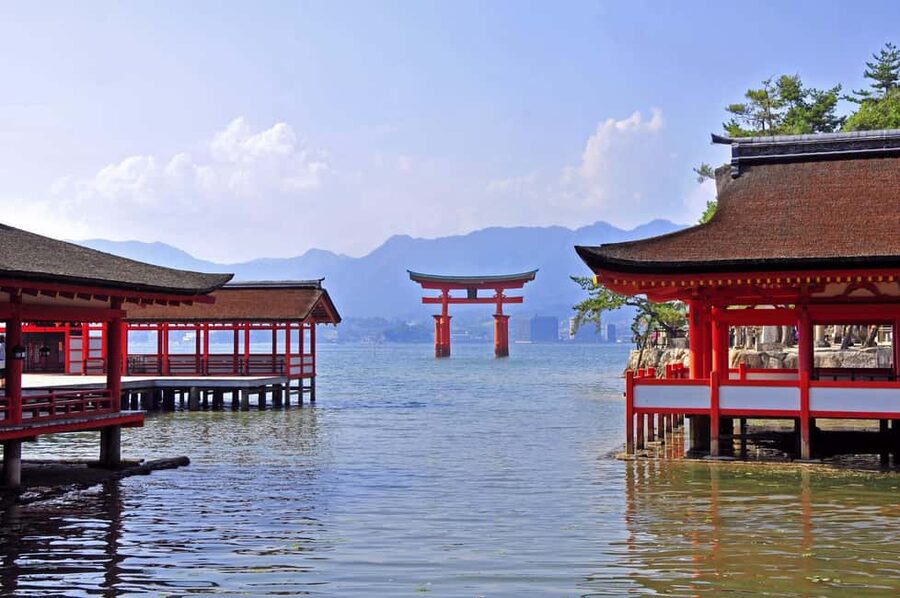
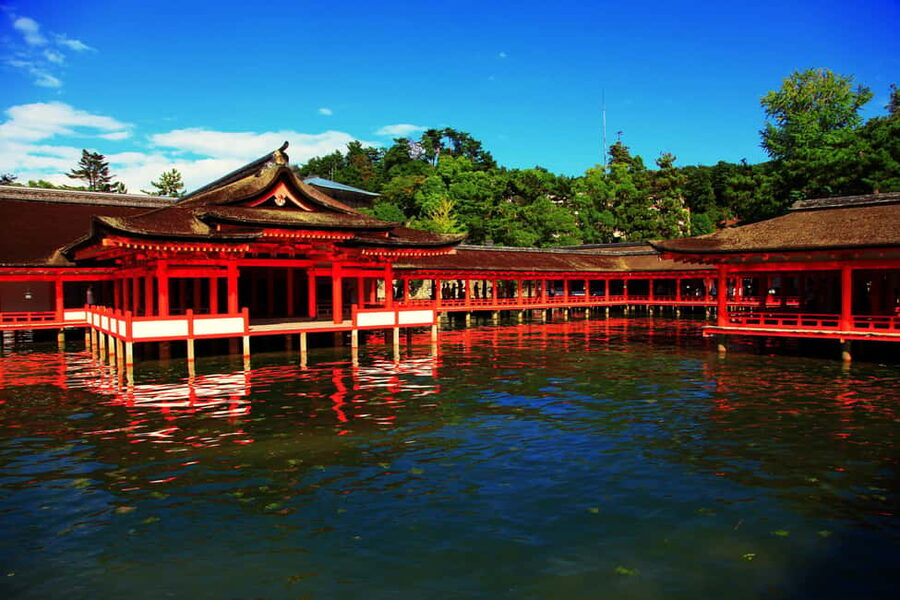
The tour allows about an hour at Itsukushima Shrine. The shrine’s red buildings are built beside the water, creating the famous impression that the complex floats at high tide. From the shrine, you can look toward the Great Torii Gate, one of Japan’s most recognizable views.
The setting is the main attraction, but the guide adds useful structure. You are not simply dropped at the entrance and told to wander. An English-speaking guide leads the visit and explains the cultural importance of the site.
The shrine can feel quick if you enjoy photography or want time to explore every corner. An hour gives you a solid introduction, but it does not leave much spare time for lingering. Stay with the group and keep an eye on the clock, especially if you want to make the most of the later food stop.
Weather can also change the view. The water, sky, and position of the Great Torii Gate affect how dramatic the scene feels, so treat the famous image as a possibility rather than a guaranteed photograph.
Same city, a different seat on a different deck:
- Peaceful Hiroshima & Miyajima UNESCO 1 Day Bus Tour
★ 5.0 · 5,309 reviews - Kyoto: Fushimi Inari, Kinkakuji, Bamboo Grove 1 Day Bus Tour
★ 4.8 · 4,316 reviews - Tokyo: Meiji Shrine, Asakusa, Skytree Bus Tour and Cruise
★ 4.7 · 1,986 reviews - Tokyo: Kamakura & Enoshima Day Trip including Temple Tickets
★ 4.5 · 1,375 reviews
Omotesando Shopping Street: choose your own lunch
After the shrine, you get about 1.5 hours on Omotesando Shopping Street. This is one of the most enjoyable parts of the schedule because lunch is not fixed. You can choose from local eateries and decide how much time to spend eating, browsing, or sampling snacks.
Possible local foods include:
- Okonomiyaki
- Fresh oysters
- Sweet manju
- Other street food and local dishes
This arrangement gives you more freedom than a set group meal. If you want a full lunch, you can sit down at an eatery. If you prefer to sample several small foods, you can build your own meal as you walk.
The drawback is that lunch is not included in the $109 price. You need cash, and beverages are also your responsibility. The tour specifically advises bringing cash, which is sensible for small purchases and quick food stops.
Do not spend the entire break in one shop if you want to browse the street. The 1.5-hour window must also cover any walking back to the meeting point. Food lines and busy periods can reduce your actual eating time.
The vehicle does not allow food or drinks, so finish what you buy before boarding the coach. Comfortable shoes matter here. The day involves the ferry terminals, shrine grounds, shopping street, park paths, and museum visit, with little chance to sit for long stretches.
Returning to Hiroshima for the Atomic Bomb Dome
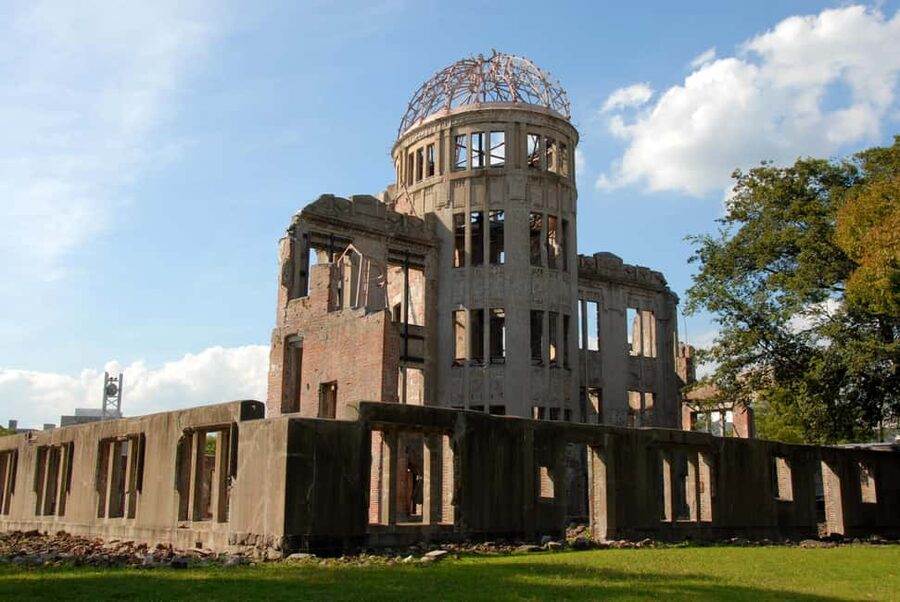
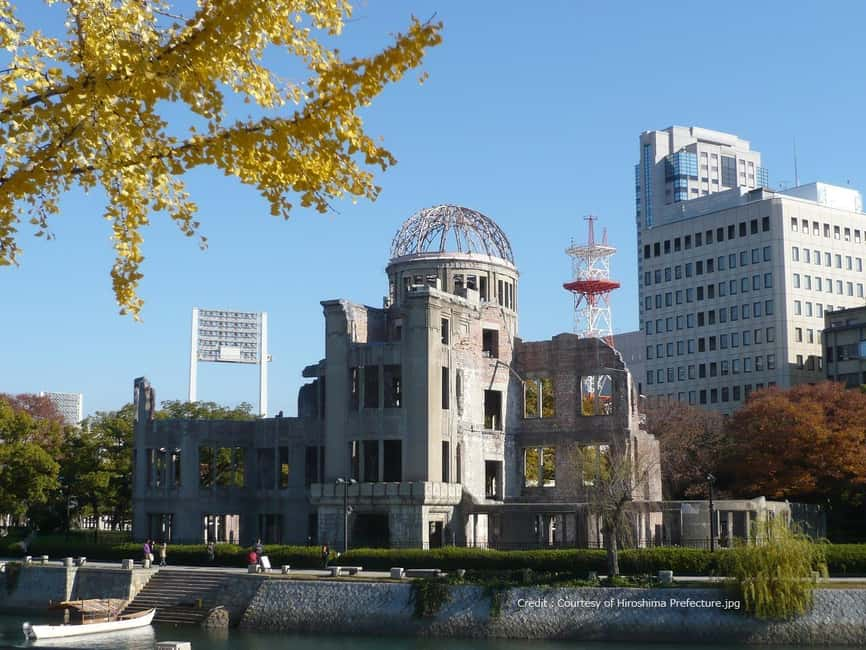
After the return ferry, the group takes another coach ride of about 45 minutes. The next stop is the Atomic Bomb Dome in Hiroshima Peace Memorial Park, with about an hour for a guided visit and sightseeing.
The Dome is not a casual photo stop. Its damaged structure remains as a direct reminder of the atomic bombing on August 6, 1945. The guide helps provide context, but you should give yourself mental space for the change in tone from Miyajima’s food stalls and shrine views.
This part of the tour has real value for anyone who wants more than a surface-level look at Hiroshima. You see the physical remains, then continue to the museum for personal accounts and historical material. The sequence makes sense: first the building and the place, then the detailed interpretation.
You may find the hour passes quickly. The site is outdoors and the schedule is fixed, so this is not a full walking tour of every memorial in the park. It is a focused stop before the museum.
Ninety minutes at the Peace Memorial Museum
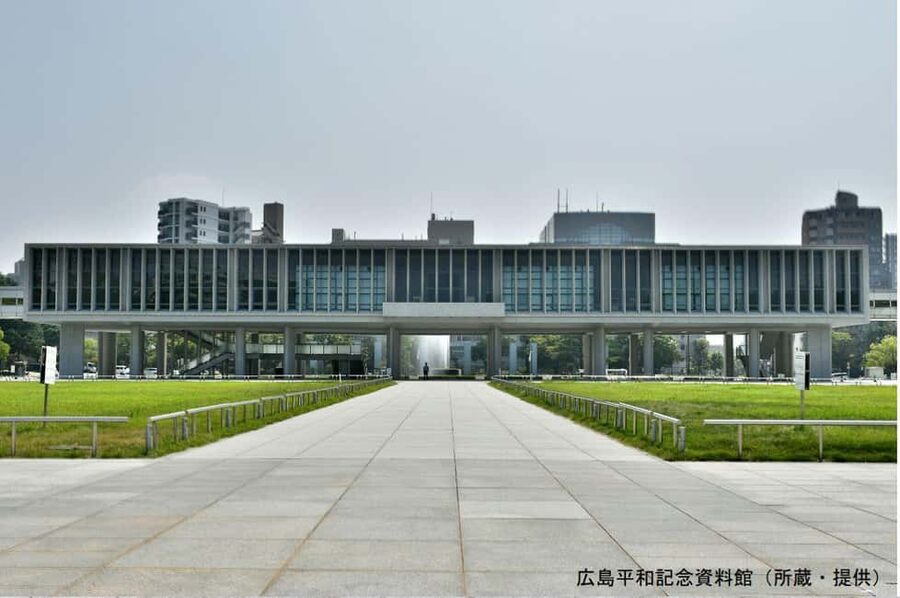
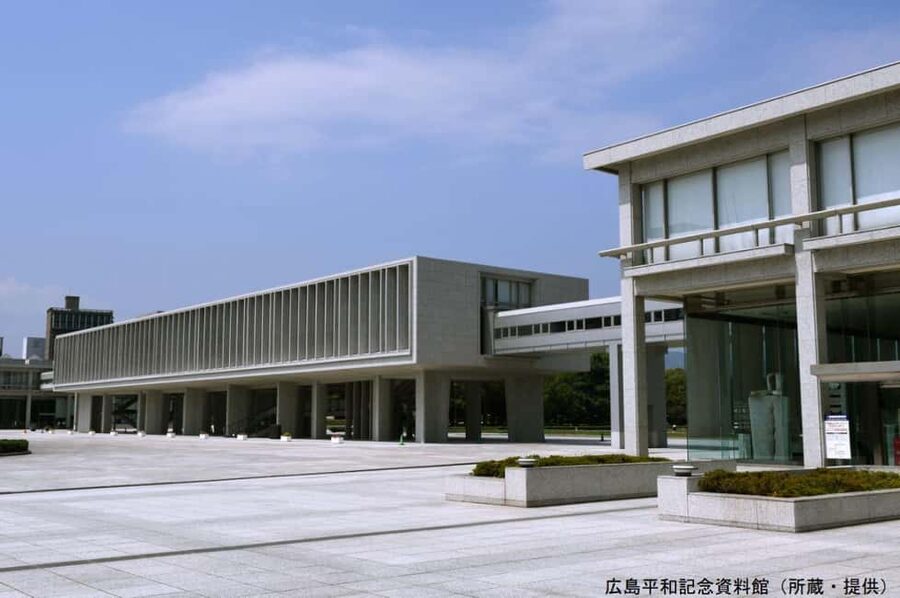
The Hiroshima Peace Memorial Museum is the most emotionally demanding stop. You have about 90 minutes for a self-guided visit, after entering with the group and receiving the broader structure of the day from the guide.
The museum examines the events of 1945 and their aftermath. The material is intended to inform, but it can also be upsetting. Give yourself permission to move at your own pace rather than trying to read every display.
Ninety minutes is enough for a meaningful visit, though not enough for every exhibit in detail. If this subject is important to you, a separate return visit would allow more time. On this tour, the museum offers a strong first encounter while keeping the full day within roughly 8 to 12 hours.
The museum closes on December 30 and 31, along with three days in the middle of February. Check the date before booking if your trip falls near those periods.
Is $109 a fair price?
For the Kyoto and Osaka plans, $109 can be a practical price because it includes the round-trip Shinkansen, the Miyajima ferry, the entrance fee for Itsukushima Shrine, the Peace Memorial Museum ticket, the coach, and an English-speaking guide.
The value depends heavily on your departure city. From Kyoto or Osaka, arranging this independently means comparing train times, reaching Miyajima, finding the correct ferry, connecting to the Peace Memorial Park, and managing the return journey. The tour bundles those moving parts into one day.
The Hiroshima plan offers less transport value because the Shinkansen is not included there, but it still covers the ferry, two entrance fees, coach transport, and guided visits. If you are already in Hiroshima, the convenience may still be worthwhile.
Lunch and drinks are extra. You should also bring money for food on Miyajima and avoid assuming that every meal choice will fit a small budget. The flexible lunch is a benefit, but it shifts the final cost partly into your hands.
The pace, group size, and walking
This is a full group day with a minimum of 10 participants. If that number is not reached 14 days before departure, the tour may be canceled. The group format keeps the price down, but it also means you must follow a shared schedule.
The tour is not suitable for wheelchair users or people with mobility impairments. The operator also advises against booking if you have trouble walking long distances. That warning matters: you will move through stations, bus stops, ferry areas, shrine grounds, a shopping street, the memorial park, and the museum.
Wear comfortable shoes and clothing suited to the weather. Bring a camera if you want photographs of Miyajima, but also bring patience. You may need to wait for transport, keep up with the group, and adjust your plans if traffic or other delays affect the schedule.
One benefit of the fixed plan is that the guide keeps the day moving. A recent booking from the United States gave special credit to the guide’s explanations of Japanese culture and the easy conversation throughout the day. That is exactly the kind of added value a guide can provide on a day with several major sights.
Who should book this Hiroshima day trip?
I would choose this tour if you have only one day for Hiroshima and want both Miyajima and the Peace Memorial sites. It is also a strong fit if you prefer an English-speaking guide and do not want to manage several transport changes yourself.
It suits active visitors who can walk steadily, eat on their own schedule, and handle a long day away from their base. It is particularly practical from Kyoto or Osaka because of the included Shinkansen.
I would hesitate if you want extensive time at each site, a private guide, or a relaxed lunch. History-focused visitors may also want more than 90 minutes at the museum, especially if they plan to read every exhibit carefully.
The small number of available ratings is perfect, with five-star scores from Ruth of Sweden and Chase of the United States. That is encouraging, but it is still a limited sample. The strongest consistent point is the combination of historical insight, cultural explanation, and a break from the major cities for Miyajima’s natural setting.
Should you book it?
Book it if you want a well-organized first look at Miyajima and Hiroshima in one demanding day. The Kyoto and Osaka plans offer the clearest value because the Shinkansen is included, and the guided structure removes much of the transport planning.
Skip it if you walk slowly, need wheelchair access, or want to study the Peace Memorial Museum at length. For everyone else, this is a sensible way to connect Japan’s sacred island culture with Hiroshima’s central lesson about war and peace, provided you accept the early start, fixed timing, and extra cost of lunch.
FAQ
Where does the tour start?
You can choose a starting point at Shin-Osaka Station, Kyoto Station, or Hiroshima Station. The exact meeting point may vary by the plan you book.
Is the tour conducted in English?
Yes. The live tour guide and tour language are English.
Are Shinkansen tickets included?
Round-trip Shinkansen tickets are included with the Kyoto and Osaka option plans only.
Is lunch included?
No. You have free time on Miyajima to buy your own lunch from local eateries and food stalls.
What food can I try on Miyajima?
The provided choices include okonomiyaki, fresh oysters, sweet manju, and other local street foods.
How much time is spent at the Peace Memorial Museum?
You have approximately 90 minutes for a self-guided visit.
How long is the entire tour?
The duration is approximately 8 to 12 hours, depending on the selected starting point and the day’s conditions.
Is Itsukushima Shrine admission included?
Yes. The entrance fee for Itsukushima Shrine is included, as is the Miyajima ferry ticket.
Can I join the tour with a wheelchair or mobility limitation?
No. The tour is not suitable for wheelchair users or people with mobility impairments. It also involves a significant amount of walking.
More single-day trips around Japan
- Mt Fuji & Hakone Cruise, Drum Show Bus 1 Day from Tokyo
★ 4.0 · 1,287 reviews - Mt Fuji and Hakone 1-Day Bus Tour Return by Bus
★ 4.5 · 929 reviews - Tokyo: Mt.Fuji & Lake Kawaguchiko 1-Day Bus Tour w/Optional Lunch
★ 4.5 · 839 reviews - From Hiroshima: Hiroshima & Miyajima 1 Day Tour with Lunch
★ 4.7 · 395 reviews
Recently added around Japan
- NARUTO & BORUTO at Nijigen no Mori Park Entry& Bus Transportation★ 3.0 · 3 reviews
- From Kyoto: Nara History Guided Half Day Bus Tour with lunch★ 5.0 · 23 reviews
- Kyoto Sagano Romantic Train in Arashiyama Bus Tour★ 3.0 · 6 reviews
- Kyoto 1 Day Golden Route Bus Tour★ 5.0 · 15 reviews
- Kyoto Hop-On, Hop-Off Sightseeing Bus Tour★ 3.0 · 5 reviews
- Hiroshima, Miyajima 1 Day Bus with Indian Lunch from Osaka, Kyoto★ 5.0 · 7 reviews
- Amanohashidate & Miyama 1-Day Bus Tour: From Osaka/Kyoto w/ Lunch★ 4.5 · 18 reviews
- Full Day Hiroshima and Miyajima Bus Tour★ 5.0 · 12 reviews
Bus Day Trips, compared.
Mt Fuji and Hakone 1-Day Bus Tour Return by Bullet Train
Read our review →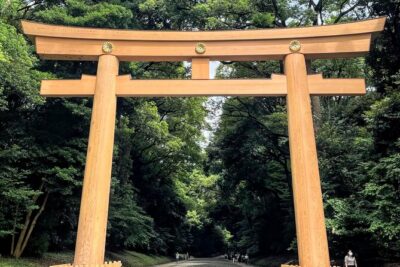

Day Trip to Grindelwald, Interlaken & Lauterbrunnen
Read our review →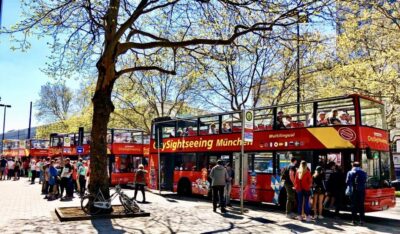
Munich Hop-On Hop-Off Tour: 1-Day or 2-Day Ticket
Read our review →
From NYC: Guided Day Trip to Washington DC by Van or Bus
Read our review →Browse the lists this tour appears in