
Review · JAPAN BUS TOURS
Peaceful Hiroshima & Miyajima UNESCO 1 Day Bus Tour
Hiroshima’s most powerful sights and Miyajima’s famous floating torii gate make an unlikely pair, but that contrast is exactly why this tour works. You begin with the city’s painful wartime story, then cross the water to a sacred island of shrines, deer, temple lanterns, and local food.
I like the efficient route, which handles buses, ferry tickets, and admissions for you. I also like the human touch from guides such as Rino, Marin, and Momiji, who are praised for clear explanations, good pacing, humor, and personal help. The main drawback is the pace: eight hours is enough for a strong overview, but not enough for long, quiet visits at every stop.
What makes this day useful
- Two very different sides of Hiroshima: You see the city’s peace memorials, then the natural and religious sights of Miyajima.
- The Peace Memorial Museum is included: You do not have to arrange a separate ticket for one of Hiroshima’s most important places.
- A ferry ride is part of the plan: Round-trip passage to Miyajima is covered, so there is less ticket handling during a busy day.
- Guides add local context: English-speaking guides including Rino, Marin, Momiji, and Mo have been praised for warmth, organization, and useful recommendations.
- Lunch is your choice: Select the okonomiyaki lunch, or skip it if you want more freedom for island food.
- The schedule has firm edges: Meet at 10:00 a.m., return to the starting point, and do not expect to join late or receive a refund for a missed departure.
A thoughtful start at Hiroshima Castle
The day may begin with a short look at Hiroshima Castle. The supplied schedule gives only limited detail here, but the castle was built in 1589, and you see the main building rather than the smaller defensive structures.
This is more of a quick orientation stop than the heart of the day. The castle helps place Hiroshima in its earlier history, before the tour turns toward the events of August 6, 1945. If castles are your main interest, you may find the visit too brief. If your priority is the Peace Park and Miyajima, the short stop keeps the schedule moving.
The exact order can change because of traffic, weather, crowd levels, and operating conditions. That flexibility is useful in a city where major sights can become crowded, though it means your day may not follow the printed sequence exactly.
More single-day trips around Japan:
- Mt Fuji and Hakone 1-Day Bus Tour Return by Bullet Train
★ 5.0 · 26,383 reviews - 1-Day Tokyo Bus Tour
★ 5.0 · 14,250 reviews - PERFECT KYOTO 1-Day Bus Tour
★ 5.0 · 13,518 reviews
The Atomic Bomb Dome and the shape of memory
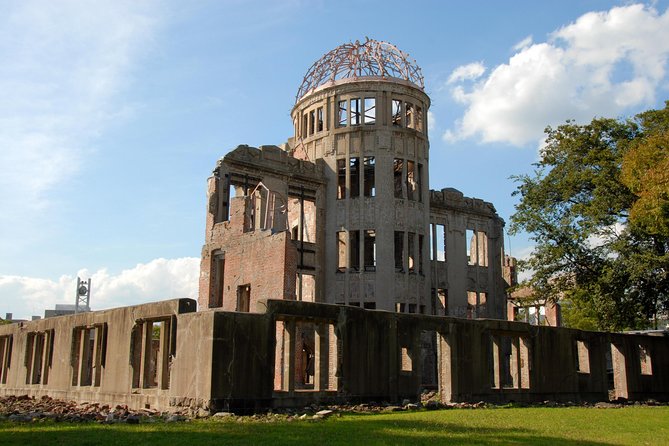
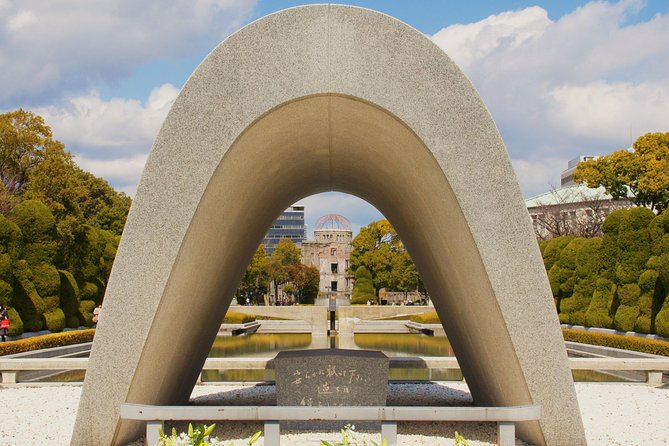
The Atomic Bomb Dome is one of the most recognizable sights in Hiroshima. It is the preserved ruin of the former Hiroshima Prefectural Industrial Promotion Hall, close to the bomb’s epicenter.
The visit here lasts about 15 minutes and admission is free. That sounds short, but the building does not need much introduction to make an impression. Its exposed framework and damaged walls are a direct physical reminder of the bombing, not a reconstructed display behind glass.
Your guide helps explain what you are seeing, while the short stop gives you time to look and take photographs without turning the site into a casual photo break. Keep in mind that this is a group visit. You will not have unlimited time to walk around the riverfront or study every angle.
Hiroshima Peace Memorial Park, with time to pause
The Peace Memorial Park receives about 35 minutes on the schedule. It commemorates the people killed by the atomic bombing and includes several important memorials, including the Atomic Bomb Dome and the park’s central monuments.
This is the point where a good guide matters. The strongest guide descriptions focus on clear historical explanations, respectful handling of the subject, and the ability to keep a group attentive without making the visit feel theatrical. Guides named Rino, Marin, Momiji, and Mo have each been singled out for friendly, organized instruction, though the guide assigned to your date can vary.
You should expect a serious atmosphere here. The park is outdoors, so you can step away for a moment if the subject becomes heavy. The schedule gives you a defined window, which works well for an overview but may feel tight if you want to visit every monument at your own pace.
Inside the Peace Memorial Museum
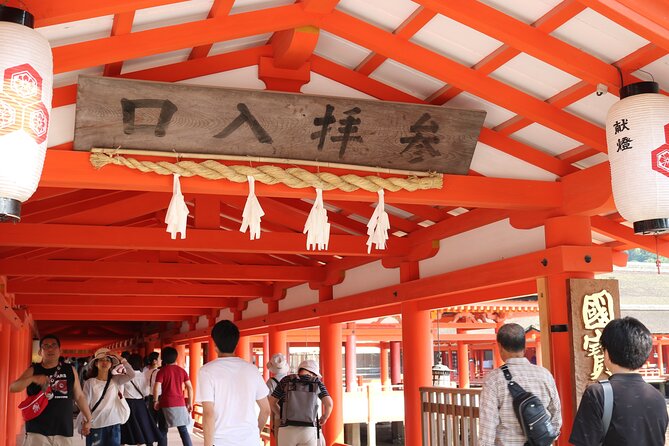
The Hiroshima Peace Memorial Museum receives about an hour, with admission included. Its exhibits use personal stories, photographs, and objects connected to the bombing and its aftermath.
This is the emotional center of the morning. The museum does not simply present military dates. It focuses on the effects on ordinary people, making the history personal and difficult. The material can be upsetting, and you should not expect a light sightseeing stop.
An hour allows you to see the principal exhibits, but not to read every panel slowly. One practical issue is crowding. The museum can become congested, and the one-way flow through parts of the building may make it difficult to turn back or pause where you want. If you are sensitive to confined spaces or large crowds, tell yourself in advance that you can move at your own pace within the group’s time.
The museum is scheduled to close for exhibit replacement from February 16 through 21, 2026. During those dates, the tour plans to visit the Hiroshima National Peace Memorial Hall for the Atomic Bomb Victims instead. The price does not change during that substitution.
More routes around Japan:
- Kyoto: Fushimi Inari, Kinkakuji, Bamboo Grove 1 Day Bus Tour
★ 4.8 · 4,316 reviews - Tokyo: Meiji Shrine, Asakusa, Skytree Bus Tour and Cruise
★ 4.7 · 1,986 reviews - Tokyo: Kamakura & Enoshima Day Trip including Temple Tickets
★ 4.5 · 1,375 reviews - Mt Fuji & Hakone Cruise, Drum Show Bus 1 Day from Tokyo
★ 4.0 · 1,287 reviews
Crossing to Miyajima by ferry
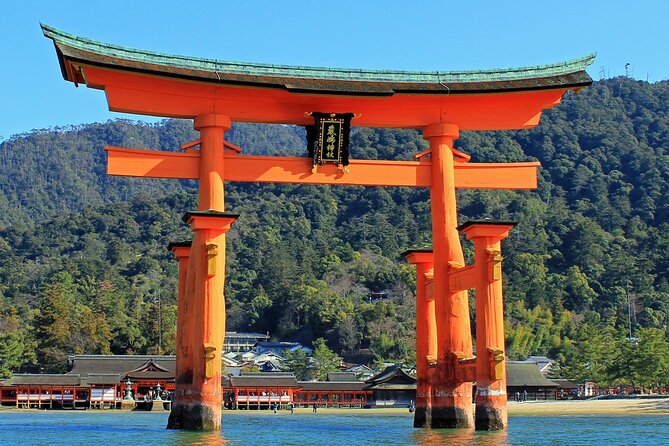
The ferry ride to Miyajima takes about 20 minutes each way, with round-trip tickets included. After the serious morning, the crossing gives the day a needed change of mood.
The ferry is also a practical reason to use this organized tour. You do not need to work out the island connection or buy a separate return ticket while keeping track of a group schedule. The ride offers a different view of Hiroshima’s waterways and sets up the afternoon at Itsukushima Shrine.
The tour uses the JR Nishinihon Miyajima Ferry. Bring only what you need for the island, since you will be moving between the coach, ferry, shrine, temple, and food stops during a compact afternoon.
Miyajima Island, food, and free time
The island stop lasts about 50 minutes in the schedule. That is enough to get a taste of Miyajima, but it is not a full island exploration.
If you choose the lunch option, you eat Hiroshima-style okonomiyaki. This regional version of the savory Japanese pancake differs from the Osaka style in its preparation and layering. It is a sensible way to sample a local specialty without spending time choosing a restaurant during the tour.
The lunch option also has limits. Vegetarian food is available with no pork and no seafood, but it does include eggs and gluten. The operator does not provide allergy-free meals, so anyone with a severe allergy should choose the no-lunch option and bring their own food.
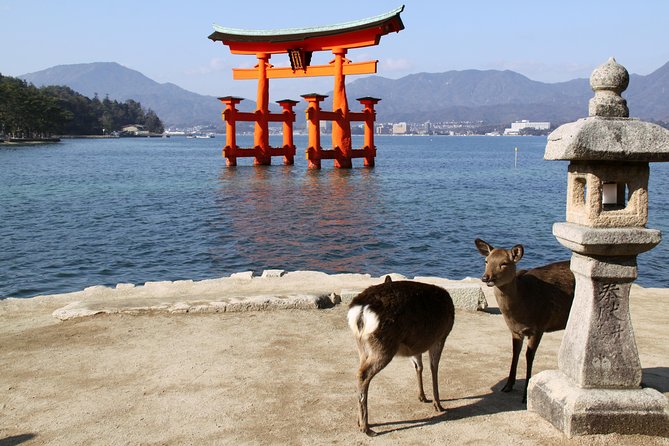
Skipping lunch gives you more control. You can use the time for island snacks and food stalls, though the short schedule means you should not expect a leisurely food crawl. Miyajima is also known for deer, and you may find them close to the walking routes. Keep food and belongings under control around them.
Itsukushima Shrine and the floating torii
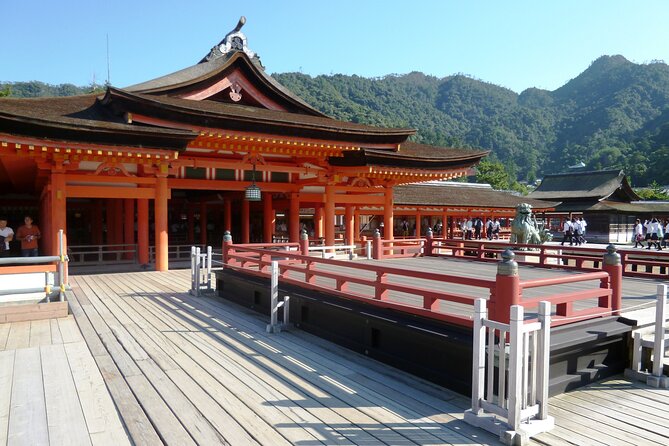
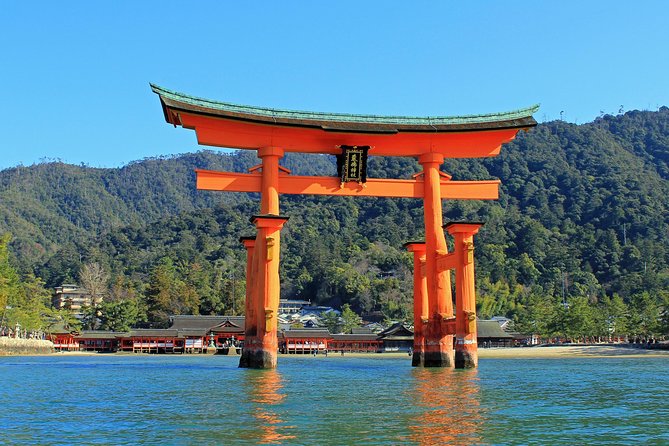
Itsukushima Shrine receives about 50 minutes, and admission is included. The shrine is famous for its torii gate, which appears to float on the water at suitable tide conditions.
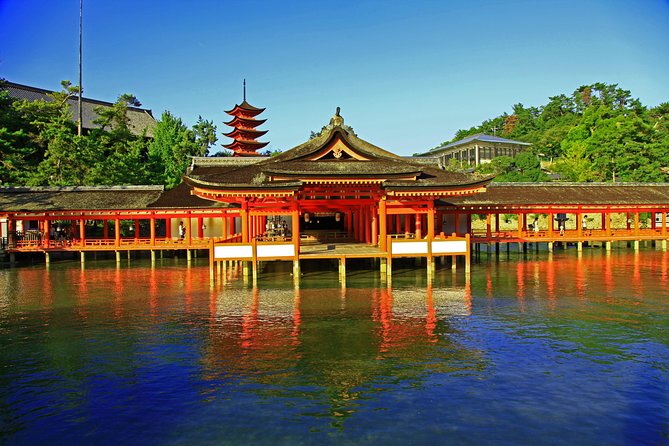
The shrine’s setting is the key attraction. It was built on the sea because Miyajima was regarded as a sacred island associated with a goddess. The original shrine dates to 593, while much of the construction seen today was rebuilt in 1168 under Kiyomori Taira.
The visit gives you time to see the main structure, walk through its raised corridors, and take in the relationship between the buildings and the water. The gate’s appearance changes with the tide, so the exact scene can differ from photographs you have seen. Do not treat the torii as a single photo stop. The shrine itself is the larger experience.
The distance from the ferry landing to the shrine can feel long for anyone with limited stamina. One person specifically found the walk tiring and could not comfortably continue to the shrine. The tour requires a moderate level of physical fitness, and this afternoon includes walking, standing, ferry boarding, and temple visits.
Daishoin Temple’s quiet details
Daishoin Temple receives about 30 minutes and admission is free. It offers a calmer, more intimate contrast to the grand scale of Itsukushima Shrine.
Look for the rows of Jizo guardian statues dressed in colorful coverings, small Buddha figures, and hanging lanterns. These details reward slower observation, even during a short visit. The temple is especially appealing if you want a more personal religious setting rather than only Miyajima’s best-known landmark.
Thirty minutes is enough for a first look, but not a deep visit. If you like temple architecture, gardens, or quiet religious spaces, you may wish you had extra time on the island. That is the tradeoff for fitting Hiroshima’s memorials and Miyajima into one day.
What the $129.25 price really covers
At $129.25 per person, this is not the cheapest way to see Hiroshima and Miyajima. It is also not simply a bus ride. The fee includes an English-speaking local guide, air-conditioned transportation, bus audio guidance, the Peace Memorial Museum, Miyajima Island admission, Itsukushima Shrine admission, and the return ferry.
That package has real value if you have only one day in the area. Buying transport and admissions separately would require more planning, and the ferry connection adds another moving part. You are paying for the route, the coordination, and the guide’s explanation as much as for the tickets.
Lunch is not included unless you choose that version. Food and drinks are otherwise your responsibility. Free Wi-Fi is available on the bus, and the audio system offers English, French, Spanish, Italian, German, Portuguese, and Ukrainian. The English-speaking guide remains the main source of context, while the audio system helps support the ride.
The group can reach up to 45 people. That is a reasonable size for a bus excursion but too large for a personal, flexible walking tour. You will gain convenience and lose some independence.
Timing, meeting point, and practical limits
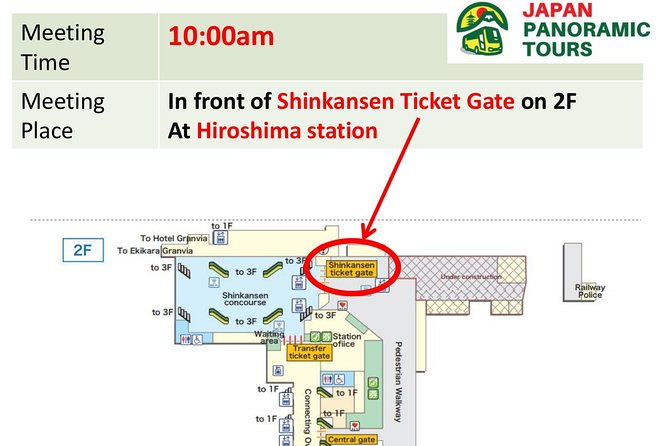
The tour starts at 10:00 a.m. from Currency Exchange Japan at 1 Matsubaracho, Minami Ward, Hiroshima. It returns to the same meeting point, and hotel pickup and drop-off are not included.
Arrive early. If you miss the start, you cannot join later in the day, reschedule, or receive a refund. This matters if you are arriving by train, transferring from a ship, or relying on a tight connection.
If you plan to take a Shinkansen after the tour, do not book it too closely. The operator advises buying the ticket after the tour on the day, or booking a departure after 6:30 p.m. That is sensible advice because traffic, ferry operations, crowding, and a changed itinerary can all affect the return.
Free cancellation is available until 24 hours before the start time. Changes made inside that 24-hour window are not accepted.
Who will get the most from this tour
I would choose this tour if you have one free day in Hiroshima and want the major sights handled in one sweep. It suits first-time visitors, families, older children, and anyone who values a clear route over independent wandering.
It also works well if you want historical context. Guides such as Rino, Marin, Momiji, and Mo are repeatedly described as warm, energetic, clear, and attentive. Some add language tips, food advice, personal recommendations, and even help with onward transport.
I would hesitate if you want long museum reading time, extensive shopping, a slow lunch, or a full day on Miyajima. You may also prefer another arrangement if walking distances, crowds, or a fixed group schedule are difficult for you.
Should you book it?
Book this Hiroshima and Miyajima tour if you want a well-organized first look at both the city’s peace memorials and the island’s shrines. The included ferry and entrance fees remove much of the day’s fuss, while a capable English-speaking guide can add meaning to places that are easy to misunderstand on your own.
Skip it if you have several days in Hiroshima and prefer to set your own pace. For a single day, though, the pairing is hard to beat: a sobering morning at the Atomic Bomb Dome, Peace Park, and museum, followed by Miyajima’s water, temples, local food, and famous torii.
FAQ
How long is the Hiroshima and Miyajima tour?
The tour lasts approximately eight hours.
What time does the tour start?
It starts at 10:00 a.m.
Where does the tour meet?
The meeting point is Currency Exchange Japan at 1 Matsubaracho, Minami Ward, Hiroshima, postal code 732-0822.
Does the tour return to the meeting point?
Yes. The activity ends back at the original meeting point.
Is hotel pickup included?
No. Hotel pickup and drop-off are not included.
Is lunch included?
Lunch is included only if you select the lunch option. The meal is okonomiyaki on Miyajima Island.
Is vegetarian lunch available?
Yes. The vegetarian option contains no pork or seafood, but it does contain eggs and gluten.
Are ferry tickets included?
Yes. Round-trip ferry transportation to Miyajima is included.
Which admissions are included?
Admission to the Hiroshima Peace Memorial Museum, Miyajima Island, and Itsukushima Shrine is included.
What happens if the Peace Memorial Museum is closed in February 2026?
From February 16 through 21, 2026, the museum is scheduled to close for exhibit replacement. The tour plans to visit Hiroshima National Peace Memorial Hall for the Atomic Bomb Victims instead, with no refund for the change.
Recently added around Japan
- Departing from Takayama [Regular sightseeing bus] World Heritage Sites Shirakawago and Gokayama Ainokura★ 4.5 · 137 reviews
- Play with Snow Crab Buffet Lunch and Strawberry Picking Bus Tour★ 5.0 · 88 reviews
- Hiroshima & Miyajima 1 Day Bus Tour with Bullet Train Tickets★ 4.5 · 105 reviews
- From Osaka: Himeji Castle, Arima Onsen & Mt. Rokko Day Tour★ 4.6 · 339 reviews
- Tokyo Thrilling Open Top Bus Expressway Adventure Tour★ 4.3 · 5 reviews
- Tokyo: Open Top Sightseeing Bus with Audio Guide★ 4.5 · 5 reviews
- Tokyo: 60min Panoramic Open Top Bus Tour with Audio Guide★ 4.0 · 40 reviews
- Tokyo: Open Top Panoramic Sightseeing Bus with Audio Guide★ 3.8 · 254 reviews
Japan Bus Tours, compared.
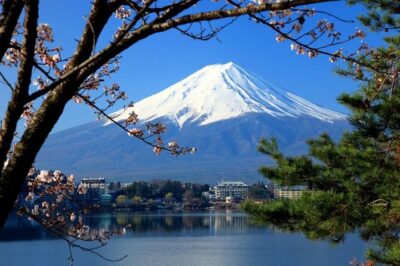
Mt Fuji and Hakone 1-Day Bus Tour Return by Bullet Train
Read our review →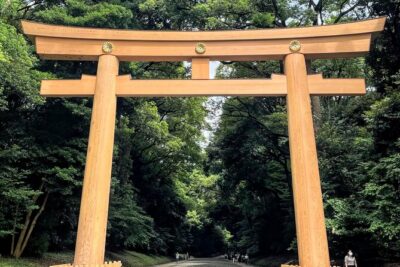
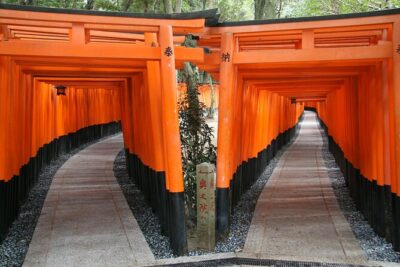
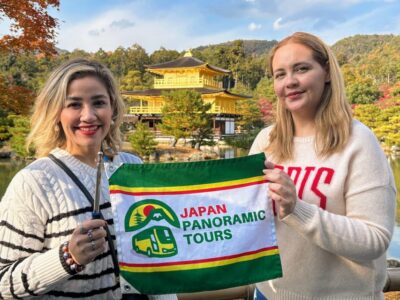
Fushimi Inari, Kinkakuji, Bamboo Grove 1 Day Bus Tour
Read our review →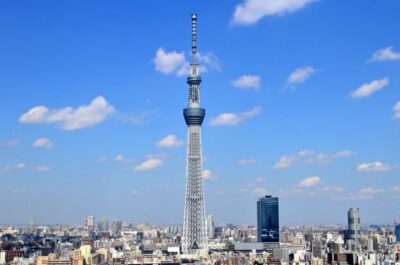
Meiji Shrine, Asakusa, Skytree Bus Tour and Cruise
Read our review →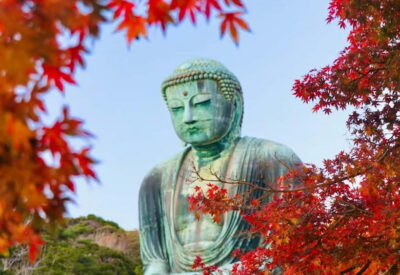
Kamakura & Enoshima Day Trip including Temple Tickets
Read our review →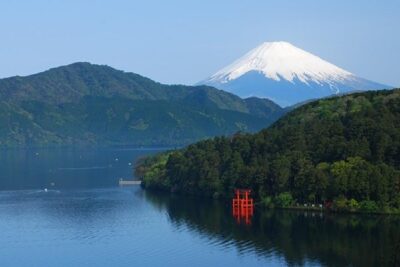
Mt Fuji & Hakone Cruise, Drum Show Bus 1 Day from Tokyo
Read our review →
Kyoto/Osaka: Nara, Fushimi Inari Taisha, Arashiyama Bus Tour
Read our review →Browse the lists this tour appears in