
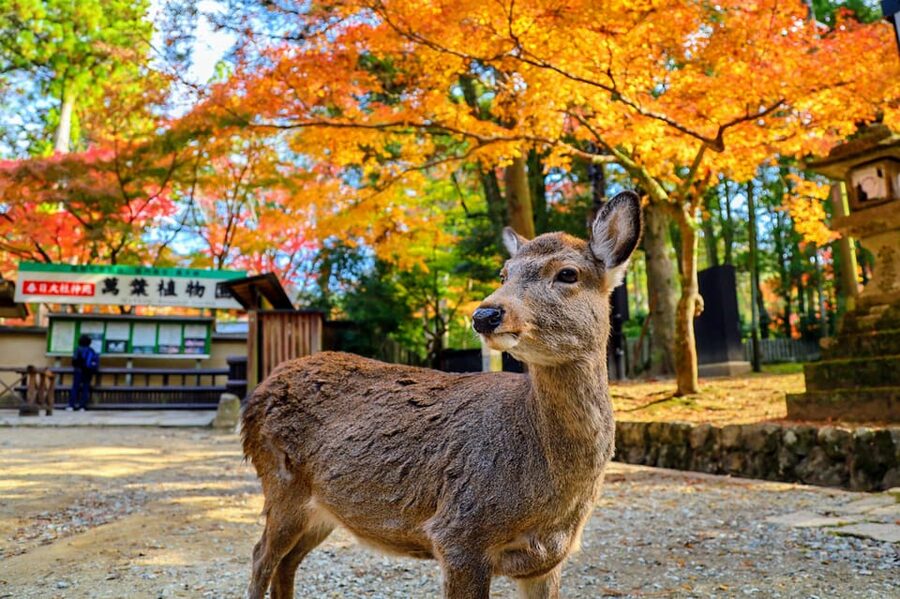
Review · KYOTO BUS TOURS
Kyoto: Nara & Traditional Matcha Experience Bus Tour
Nara’s famous deer, the Great Buddha at Todaiji, and Uji’s matcha come together in one long but satisfying day. I especially like the mix of major sights and hands-on culture, plus the way guides such as At-chan, Nanami, Mai, and Tsubasa add small Japanese language lessons and practical help. You get a comfortable coach, temple admissions, and the tea activity in one price.
The trade-off is time. At 510 minutes, this is a full day with several scheduled stops, and you will walk up stairs and hills. The meeting point near Kyoto Station can also take a few minutes to find, so arrive early rather than trying to make an elegant last-minute dash.
Key points to know before booking
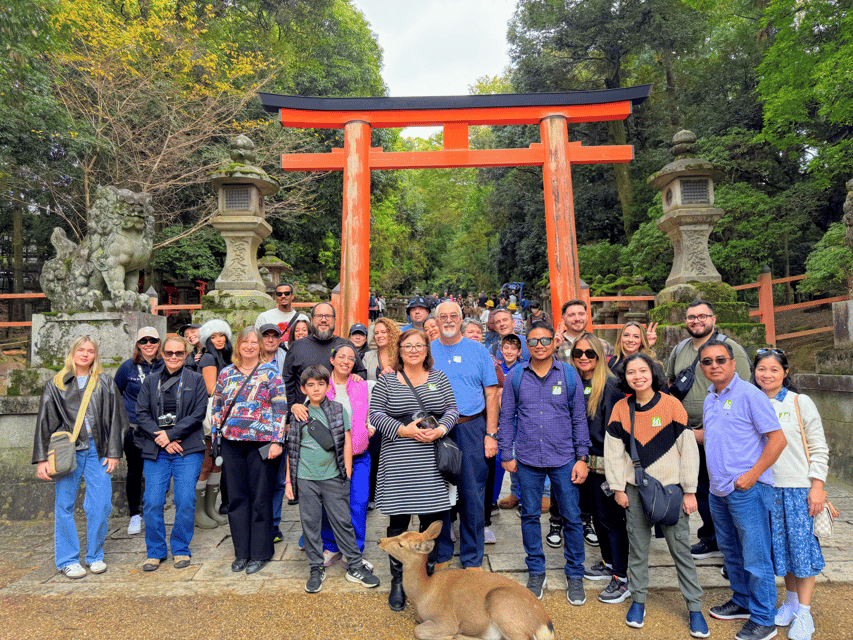
- Nara’s big three sights: Visit Todaiji Temple, Kasuga Taisha Shrine, and Nara Park, with time to see the Great Buddha and the famous deer.
- A proper Uji tea activity: Learn about matcha and make it yourself in the town most closely linked with this powdered green tea.
- Three historic World Heritage locations: The route includes Todaiji, Kasuga Taisha, and Byodoin Temple.
- Guides add useful local help: At-chan, Nanami, Mai, Tsubasa, Yuta, Rina, and others have been praised for clear explanations, Japanese lessons, and keeping the day organized.
- A practical coach-based day trip: Air-conditioning, free Wi-Fi, temple admissions, and an English-speaking guide are included.
- A long day with real walking: Bring comfortable shoes, water, and cash for deer crackers, snacks, drinks, and shopping.
Why this Nara and Uji pairing works
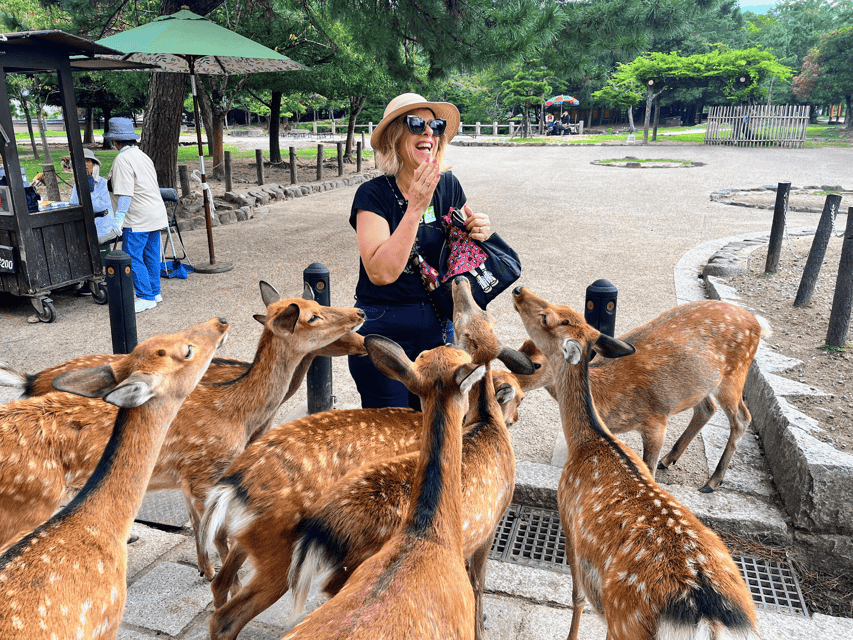
Many Kyoto day trips focus on the city’s most famous temples. This one gives you a different slice of the region. Nara supplies ancient Buddhist and Shinto sights, open parkland, and free-roaming deer. Uji adds a quieter town setting, a famous tea tradition, and Byodoin’s elegant Phoenix Hall.
That mix gives the day a nice rhythm. You begin with grand religious buildings, spend time outdoors with the deer, eat lunch, then move into tea culture. I like that the final activity is not just another photo stop. You actually make matcha yourself, which gives the Uji visit a clear purpose.
The $122 price is reasonable if you value convenience. It covers transport for the whole route, an English-speaking guide, admission to Todaiji and Byodoin, and the matcha activity. The Japanese lunch costs extra, so compare the total price carefully when booking. If you prefer choosing your own meal, skip the lunch option and use the break independently.
You are paying partly for the route. Reaching Nara and Uji in one day by public transport is possible, but it takes planning and connections. The coach removes that work and gives you one person to follow at each stop. That matters most if this is your first visit to Japan or you want a structured day outside central Kyoto.
More routes around Kyoto:
- PERFECT KYOTO 1-Day Bus Tour
★ 5.0 · 13,518 reviews - Kyoto: Fushimi Inari, Kinkakuji, Bamboo Grove 1 Day Bus Tour
★ 4.8 · 4,316 reviews - Kyoto/Osaka: Nara, Fushimi Inari Taisha, Arashiyama Bus Tour
★ 4.7 · 1,275 reviews
Starting near Kyoto Station at 8 a.m.
The tour starts in front of Tully’s Coffee at Kyoto Avanti, at 31 Higashikujo Nishisannocho. Check-in is at 7:50 a.m., with departure at 8 a.m. Look for the green and white Japan Panoramic Tours flag.
This meeting point is close to Kyoto Station, but the station is large and can be confusing. One person specifically found it difficult to cross the station and reach the café, so do not cut it close. Give yourself extra time, especially if you are unfamiliar with Kyoto Station’s underground passages and multiple exits.
Once aboard, you travel in an air-conditioned coach with free Wi-Fi. The route passes Fushimi Castle and the former Heijokyo palace area on the way toward Nara. The ride lasts about an hour, giving your guide time to explain the day and, on some departures, teach simple Japanese words, numbers, and phrases.
The guides are one of the strongest parts of this experience. At-chan has helped visitors with local shopping and even found a particular tea shop during free time. Mai has used hand-drawn visual aids and language lessons to make the stops easier to understand. Nanami, Tsubasa, Yuta, Rina, Aoi, Den, and others have also been praised for clear organization and friendly support.
Guide assignments vary, so you cannot book a particular person. Still, the repeated pattern is useful: expect an active guide who explains what you are seeing, keeps an eye on the group, and helps you understand Japanese customs along the way.
Kasuga Taisha and Nara’s lantern-lined paths
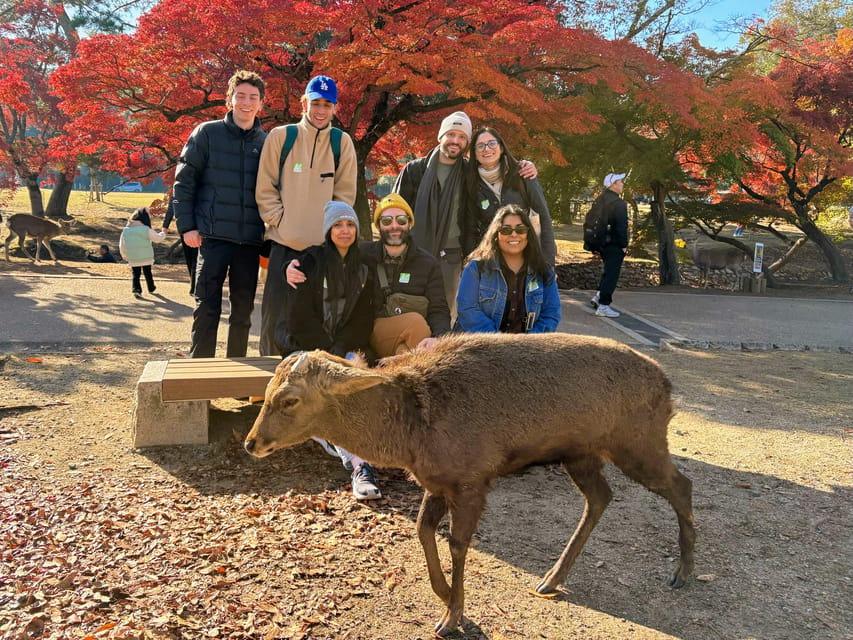
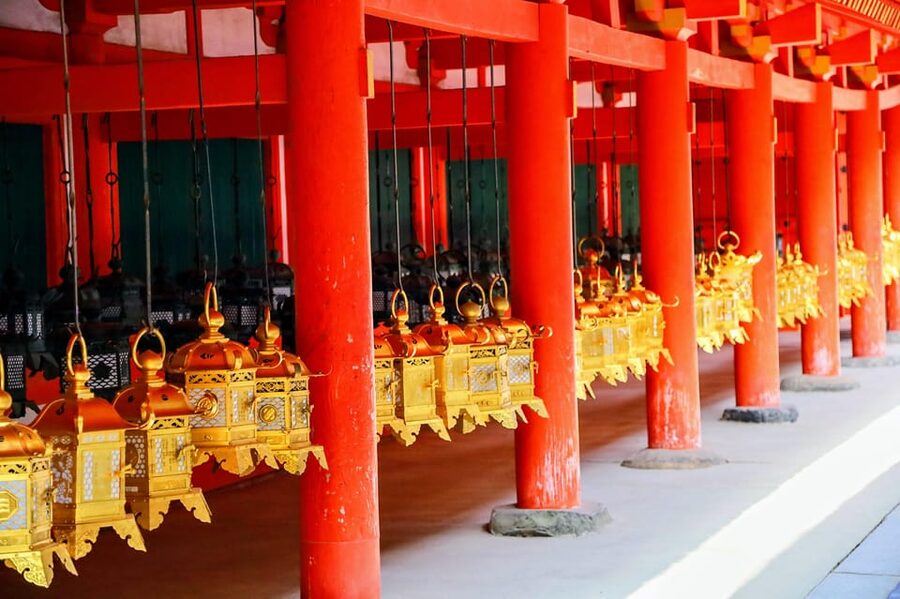
The first scheduled stop is Kasuga Taisha Shrine, with about 30 minutes to visit. This is a Shinto shrine known for its thousands of stone lanterns and its wooded approach.
Thirty minutes is enough for a look and photographs, but not for a slow exploration of every path. Keep an eye on the clock. The shrine setting can feel calm and atmospheric, yet the schedule means you should focus on the main route rather than wander far.
The lanterns are the visual feature to watch for. They line the approach and help explain the shrine’s traditional character without requiring a long lecture. Your guide can also give context about Shinto practices and how the shrine fits into Nara’s sacred sites.
The short visit is both a strength and a limitation. You see one of Nara’s major landmarks without spending the entire morning at a single complex, but anyone wanting extended shrine photography may find the stop brief.
Meeting Nara’s deer in the park
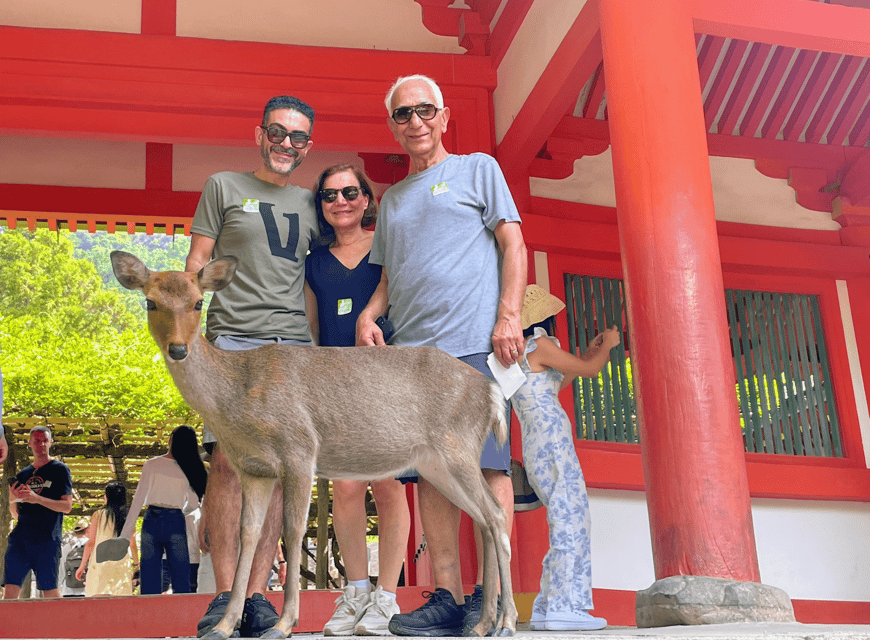
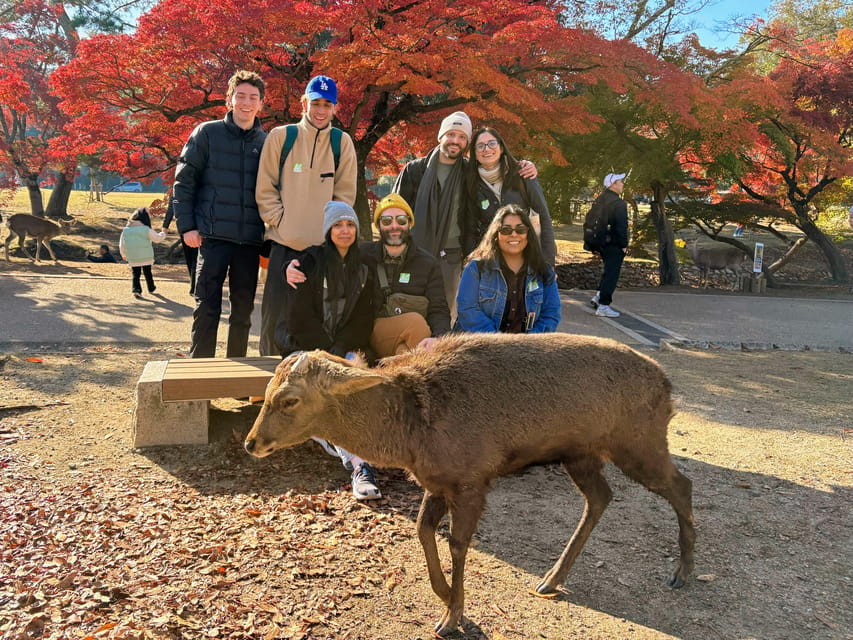
Next comes Nara Park, with about 30 minutes before the visit to Todaiji. The deer are wild, accustomed to people, and famously willing to approach anyone carrying rice crackers. You can buy the crackers from roadside stalls and near the paths leading to the shrines.
This is one of the day’s most memorable moments, but treat the deer as animals rather than toys. They may bow when expecting food, and they can also nip fingers or clothing. One guide specifically warned that they bite, and that is useful advice. Feed carefully, keep your hands clear once the crackers are gone, and follow your guide’s instructions.
Thirty minutes is enough to meet the deer and take photographs, though it is not a long nature walk. The park is adjacent to Todaiji, so the stops fit together naturally. You are not wasting time getting back on the bus between them.
I like this part because it breaks up the formal sightseeing. After shrines and temple explanations, you get an unscripted encounter with animals that are now part of Nara’s identity. Families often find it especially appealing, although adults should still supervise children closely around the deer.
Same city, a different seat on a different deck:
- Kyoto: Nijo, Kinkaku-ji, Arashiyama, Kiyomizu & Fushimi Inari
★ 5.0 · 699 reviews - Kyoto: Full-Day Guided Bus Tour to Top Highlights & Tickets
★ 4.6 · 533 reviews - From Kyoto: Nara History Guided Half Day Bus Tour with Lunch
★ 4.8 · 114 reviews - Osaka/Kyoto: Katsuoji, Kinkakuji, Arashiyama 1-Day Bus Tour
★ 4.6 · 33 reviews
Todaiji and the Great Buddha
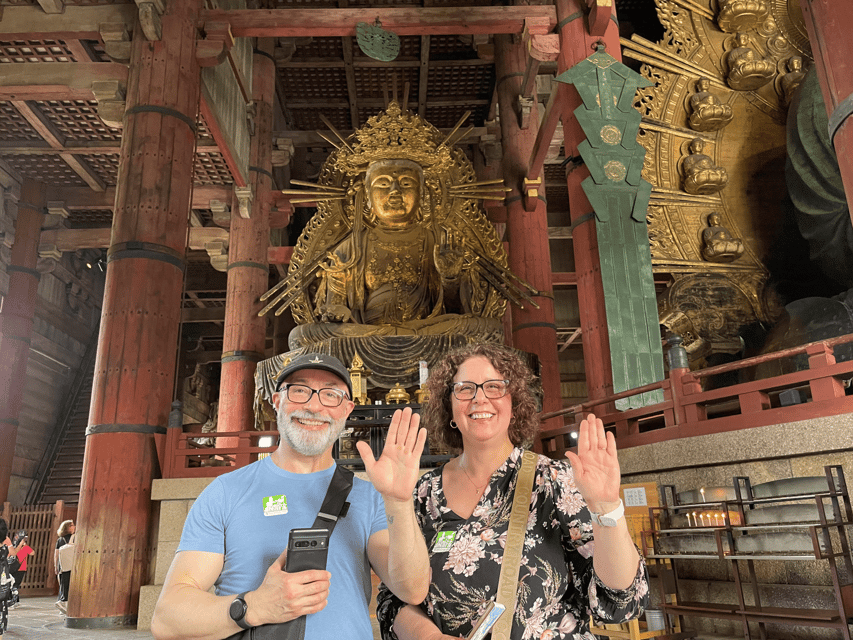
Todaiji receives about 50 minutes, including admission. Its Daibutsuden Hall houses the Great Buddha of Nara and is known as one of the world’s largest wooden buildings.
This is the architectural high point of the Nara portion. The scale is difficult to grasp from photographs. Even with a short visit, you have time to enter the hall, see the Buddha, and listen to the guide explain why the temple matters.
The route covers a lot, so your time inside is focused rather than leisurely. If you want to study every detail, linger at the expense of other stops. For most people, the included admission and guided introduction make this a good use of the morning.
You will walk between the park, shrine, and temple, with stairs and uneven or hilly sections possible. Comfortable shoes are not optional here. Bring water, particularly in warm weather, since the schedule keeps moving and the outdoor sections have limited time.
Lunch and the road to Uji
After Nara, the coach heads toward Uji, with roughly an hour of travel. Lunch is scheduled at a local restaurant and lasts about 50 minutes. If you choose the lunch option, you receive a Japanese meal. Vegetarian arrangements must be requested at least two days before the tour date.
The lunch option is useful if you want the day handled for you. Several people have found the traditional meal tasty, and it avoids spending your limited break searching for a restaurant. If you have strong dietary needs or prefer choosing exactly what you eat, book without lunch and plan accordingly.
Last-minute bookings receive the regular meal, so do not assume special arrangements can be made at the last moment. Additional food and drinks are not included, which is another reason to carry cash and a water bottle.
The bus ride also provides a pause. After a busy morning of temples and deer, sitting down for an hour helps. Traffic can affect the timing, and the order of stops may change because of traffic, weather, or operations. The operator may substitute another site if a scheduled place closes.
Byodoin Temple and the Phoenix Hall
Byodoin gets about an hour. Its Phoenix Hall appears on Japan’s 10-yen coin, making this one of the easiest places to connect an actual sight with something you may have seen in daily life.
The temple is part of the Historic Monuments of Ancient Kyoto UNESCO World Heritage listing. Its setting beside the water gives you a different mood from Todaiji. Nara’s main temple feels massive and imposing, while Byodoin is more refined and carefully balanced.
You receive admission as part of the tour. The hour allows time to view the temple grounds, take photographs, and hear about the Phoenix Hall. Depending on conditions and crowd levels, access to every part of the complex can vary, so listen to the guide’s instructions and stay aware of the meeting time.
This stop is particularly good for anyone who likes Japanese art, architecture, or coins and symbols. It also gives the afternoon a strong historical focus before the more hands-on tea activity.
Making matcha in Uji
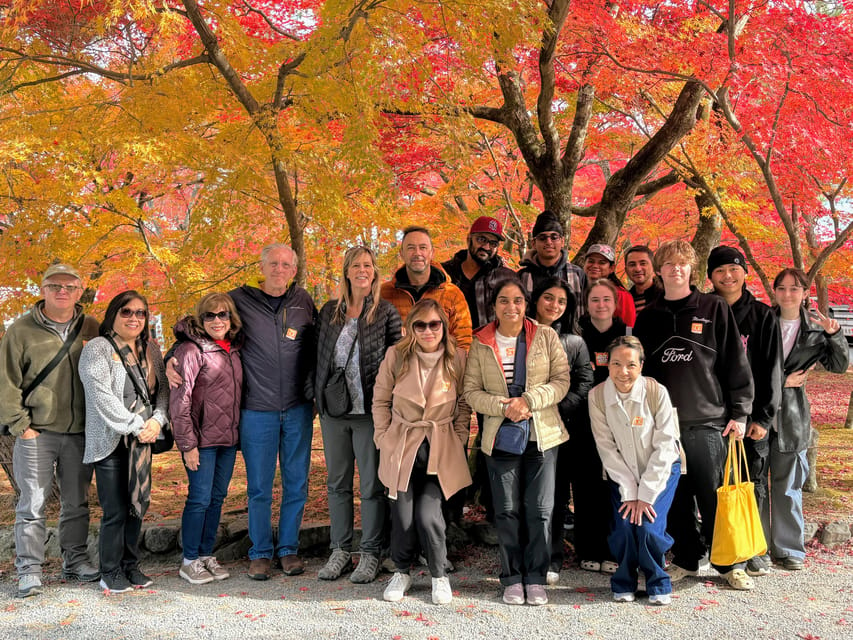
The final major activity takes place in Uji, with about 70 minutes for free time and the tea experience. Uji is closely associated with matcha, the finely ground powder made from green tea leaves.
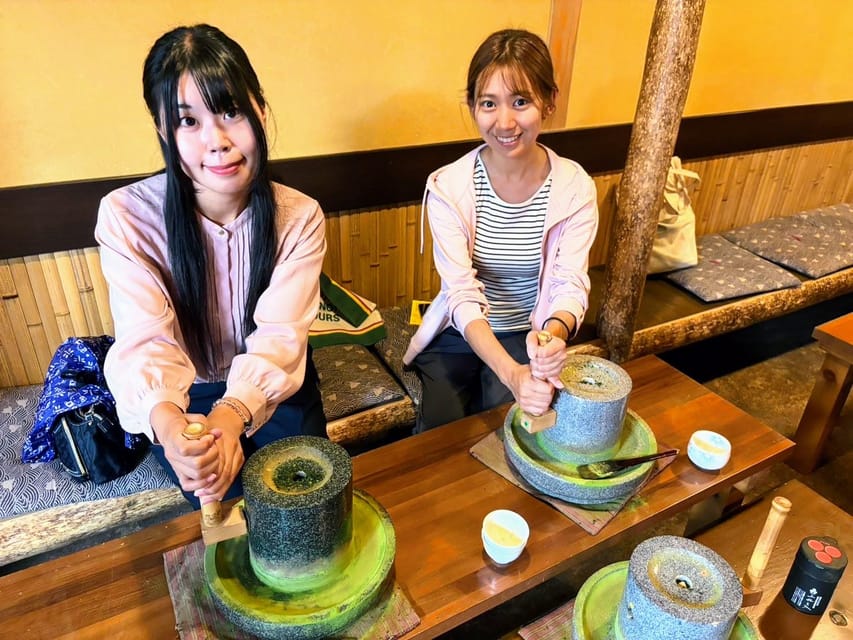
You learn how matcha is prepared and make it yourself from scratch. That practical step is more useful than simply drinking a cup in a café because you leave with a basic sense of the work and ritual behind the drink.
Matcha is used in tea ceremonies, but also in sweets and cooking. The activity helps place Uji’s shops and tea products in context. Afterward, you have time to browse small stores, restaurants, and other local attractions near the tea venue.
This is where the tour feels less like a checklist. You have a chance to buy matcha or souvenirs, and the free time can be shaped around your interests. At-chan has helped people locate specific tea shops, but assistance will depend on your guide and the time available.
Do not confuse this with a full formal tea ceremony unless the current departure specifically describes it that way. The supplied details emphasize making Uji matcha, learning about authentic tea, and having free time. That is a hands-on tea lesson with room to shop, not necessarily a long ceremonial performance.
Transport, pace, and practical comfort
The coach returns to the Kyoto Avanti meeting point after the Uji visit, with about 30 minutes of final travel listed for the return. The full day lasts 510 minutes, or eight and a half hours.
Transport scored very well in the available feedback, and that makes sense. The coach is air-conditioned, regularly ventilated, and treated with an antibacterial coating. Free Wi-Fi is included, though you should not depend on it for every need. The driver and guide handle the route while you rest between stops.
An English-speaking live guide leads the day. Audio headsets are available in French, German, Italian, Portuguese, Spanish, and Ukrainian. The main live tour language is English.
The pace is organized, but not slow. You have set times at each sight, and the group must leave together. This suits you if you want efficient coverage and help with directions. It is less suitable if you prefer spending half a day at one temple or stopping whenever a view catches your eye.
The tour is not suitable for wheelchair users or people with mobility impairments. Stairs and hills are part of the route, and the combination of outdoor walking, temple grounds, and a long day requires a reasonable level of mobility.
What to bring and how to make the day easier
Wear shoes you can walk in for hours. Bring water, cash, and protection from the weather as needed. Cash is useful for deer crackers, drinks, snacks, and purchases in Uji.
Keep your ticket or booking details accessible and arrive before the 7:50 a.m. check-in. Latecomers and no-shows do not receive refunds or changes, so the early start deserves respect.
The tour allows free cancellation up to 24 hours in advance, and you can reserve now while paying later. Those policies add flexibility, but they do not help if you simply miss the bus.
Who should book this day tour?
I would choose this tour if you have limited time in Kyoto and want Nara and Uji handled in one day. It is especially useful for first-time visitors, families who appreciate clear directions, and anyone who wants historical sites plus a practical cultural activity.
You should also consider it if you are staying in Kyoto without a car. Reaching three major Nara and Uji areas independently takes more planning, while this coach route links them with one guide.
I would hesitate if your priority is slow temple study, long shopping sessions, or a fully flexible schedule. The day covers a lot, and the time at Kasuga Taisha and Nara Park is limited. You also need to be comfortable with stairs, hills, early departure, and a full day on the move.
At $122, the value is strongest when you use the included admissions, transport, guide, and matcha activity. Add the lunch option if convenience matters more than choosing your own meal. Skip it if you want control over your food and budget.
Should you book the Nara and Uji tour?
Book it if you want a well-organized first look at Nara’s temples and deer, followed by a real tea activity in Uji. The most praised qualities are the guides’ personal attention, the comfortable bus, the clear explanations, and the smart balance of sightseeing and free time.
For the best day, arrive early, wear sturdy shoes, carry cash, and reserve a vegetarian meal at least two days ahead if needed. Expect an efficient overview rather than a slow private tour. For many people, that is exactly the point: one long day that turns three difficult-to-link destinations into a manageable, enjoyable route.
FAQ
How long does the tour last?
The tour duration is 510 minutes, or about eight and a half hours.
Where does the tour begin?
It begins in front of Tully’s Coffee at the Kyoto Avanti Store, 31 Higashikujo Nishisannocho, Minami Ward, Kyoto.
What time should I arrive?
Check-in is at 7:50 a.m., and the coach departs at 8 a.m.
What sights are included?
The route includes Kasuga Taisha Shrine, Nara Park, Todaiji Temple, Byodoin Temple, and the Uji matcha experience.
Are temple admission fees included?
Yes. Admission to Todaiji and Byodoin Temple is included.
Is lunch included?
Lunch is included only if you select the lunch option when booking. Additional food and drinks are not included.
Can vegetarian meals be arranged?
Yes, vegetarian meal arrangements can be made up to two days before the tour date. Last-minute bookings receive the regular meal.
What languages are available?
The live guide speaks English. Audio guides are available in French, German, Italian, Portuguese, Spanish, and Ukrainian.
Is the tour suitable for wheelchair users?
No. The tour is not suitable for wheelchair users or people with mobility impairments, and you will need to walk up stairs and hills.
What happens if I am late?
There are no refunds or changes for latecomers and no-shows. Arrive early at the Kyoto Avanti meeting point.
Recently added around Kyoto
- NARUTO & BORUTO at Nijigen no Mori Park Entry& Bus Transportation★ 3.0 · 3 reviews
- From Kyoto: Nara History Guided Half Day Bus Tour with lunch★ 5.0 · 23 reviews
- Kyoto Sagano Romantic Train in Arashiyama Bus Tour★ 3.0 · 6 reviews
- Kyoto 1 Day Golden Route Bus Tour★ 5.0 · 15 reviews
- Kyoto Hop-On, Hop-Off Sightseeing Bus Tour★ 3.0 · 5 reviews
- Hiroshima, Miyajima 1 Day Bus with Indian Lunch from Osaka, Kyoto★ 5.0 · 7 reviews
- Amanohashidate & Miyama 1-Day Bus Tour: From Osaka/Kyoto w/ Lunch★ 4.5 · 18 reviews
- Full Day Hiroshima and Miyajima Bus Tour★ 5.0 · 12 reviews
Kyoto Bus Tours, compared.
Fushimi Inari, Kinkakuji, Bamboo Grove 1 Day Bus Tour
Read our review →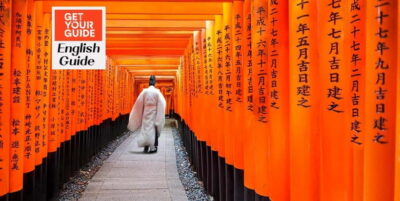
Kyoto/Osaka: Nara, Fushimi Inari Taisha, Arashiyama Bus Tour
Read our review →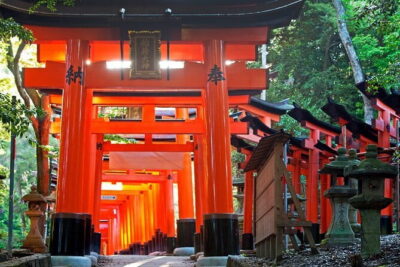
Nijo, Kinkaku-ji, Arashiyama, Kiyomizu & Fushimi Inari
Read our review →
Full-Day Guided Bus Tour to Top Highlights & Tickets
Read our review →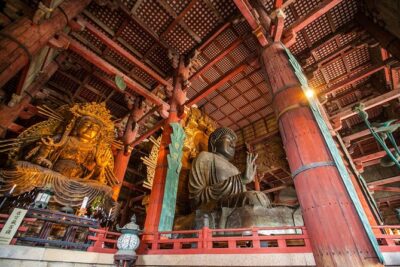
Nara History Guided Half Day Bus Tour with Lunch
Read our review →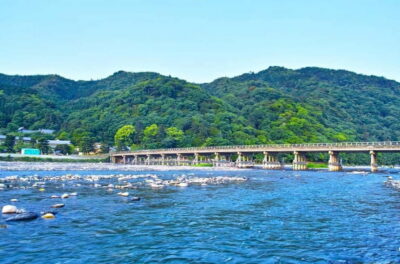
Osaka/Kyoto: Katsuoji, Kinkakuji, Arashiyama 1-Day Bus Tour
Read our review →Browse the lists this tour appears in