
Review · TOKYO BUS TOURS
Tokyo: Open Top Sightseeing Bus with Audio Guide
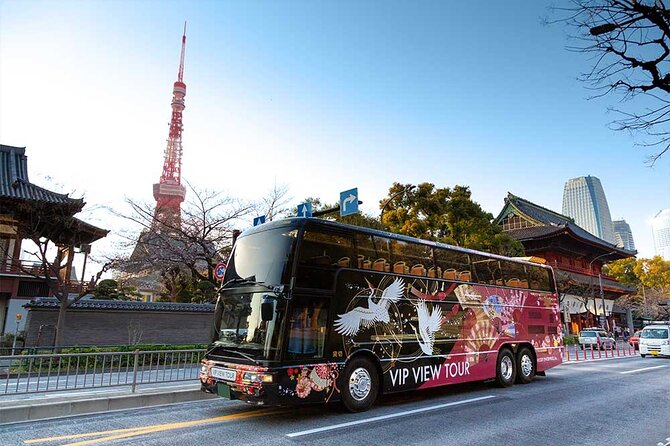
Tokyo is a huge city, and its best sights are scattered across several districts. This 70-minute open-top bus ride gives you a quick look at the central city and waterfront without asking you to master the train system on your first morning.
I like the Bay Course views, especially the run past Tokyo Tower, Rainbow Bridge, Odaiba, and Ginza. I also like the calm start at the Tokyo VIP Lounge, where you can wait indoors and, according to the tour details, use the facilities free of charge during the 40 minutes before departure. The main catch is simple: this is not hop-on, hop-off. You stay aboard, and the commentary may not always match what you are seeing.
Key points at a glance
- Two routes give you a choice: The Bay Course links Tokyo’s center with Rainbow Bridge and Odaiba, while the City Course focuses on the Imperial Palace, Roppongi, Tokyo Midtown, Tokyo Tower, and Ginza.
- GPS audio commentary runs automatically: It adjusts to the bus location and road conditions, with Japanese, English, Chinese, French, Korean, Vietnamese, and Thai available.
- The ride lasts about 1 hour 10 minutes: That makes it useful on arrival day or as a compact introduction before exploring on foot.
- The bus returns to the starting point: You cannot get off at Tokyo Tower, Odaiba, Ginza, or any other attraction during the ride.
- Rain can change the open-top experience: The tour runs in ordinary wet weather, but the roof may be closed. Typhoons and other extreme conditions can cause cancellation.
- Bring the right earphones: The audio system uses a 3.5 mm mini plug. Earphones can also be rented for 100 yen.
Why this short bus ride works in Tokyo
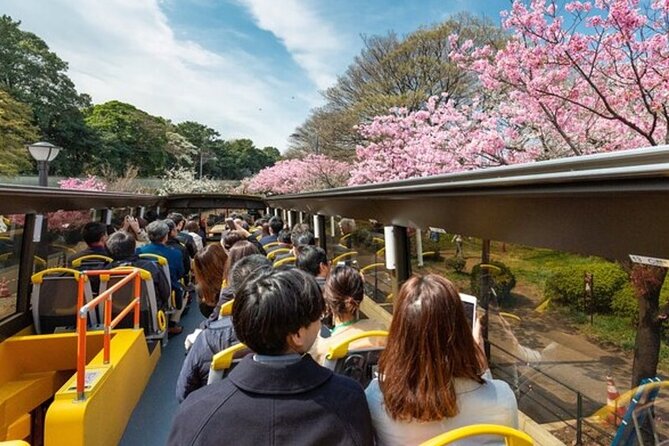
I see this tour as a first look at Tokyo, not a full sightseeing day. For about $11.71 per person, you get a seat, a moving view of several districts, and a rough sense of how Tokyo’s old center, business areas, waterfront, and shopping streets fit together.
That price is good value if you want orientation rather than entry tickets or a private guide. You will not enter a temple, climb Tokyo Tower, visit the Imperial Palace, or stop for photos. The value comes from covering ground while you sit back and watch the city pass by.
The open top matters. From a normal sightseeing bus, buildings and signs can feel boxed in by glass. From the upper deck, you get a clearer view of Tokyo Tower, bridges, high-rises, and the sky above the streets. On a dry, comfortable day, that open-air perspective is the main reason to book.
The tradeoff is that city traffic can slow the ride. The schedule is approximate, and the route may be adjusted slightly for traffic, weather, or other road conditions. The GPS system is designed to respond to these changes, but one review found the recorded commentary out of sync with the sights. I would treat the audio as background context, not as a perfectly timed private explanation.
More Open-Top Bus Tours in Japan
- Tokyo: Open Top Panoramic Sightseeing Bus with Audio Guide
★ 3.8 · 254 reviews - Tokyo: 60min Panoramic Open Top Bus Tour with Audio Guide
★ 4.0 · 40 reviews - Tokyo Thrilling Open Top Bus Expressway Adventure Tour
★ 4.3 · 5 reviews
Picking the Bay Course for Tokyo Bay and Odaiba
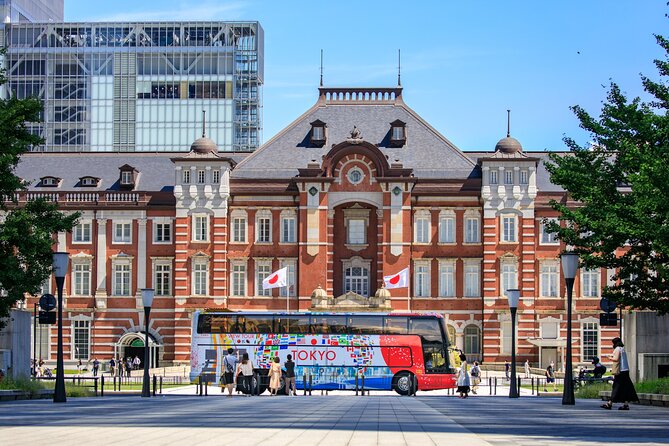
The Bay Course is the more varied option. It moves from Tokyo Station and Marunouchi toward the waterfront, then loops through Odaiba and back by way of Shiodome and Ginza.
The ride begins at the Tokyo Station Red Brick Station Building, then passes through Marunouchi. This area is one of the clearest examples of Tokyo’s polished business center, with broad streets and major office buildings near the station. From an open-top seat, you can take in the scale of the district without spending time navigating its underground passages.
Next comes Zojoji Temple and Tokyo Tower. Zojoji offers a traditional counterpoint to the modern office blocks, while Tokyo Tower gives you one of the city’s most recognizable visual markers. You should have your camera ready here, but remember that the bus does not stop for a visit. You are seeing the landmarks from the road, not touring them.
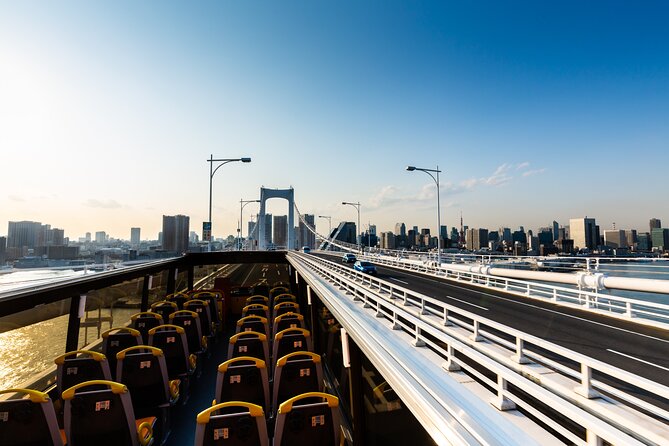
The route then reaches Shibaura and the first level of Rainbow Bridge. This is one of the ride’s most distinctive sections. The bridge connects central Tokyo with Odaiba, and the bus route gives you a sense of the water, road network, and engineering scale that can be hard to grasp from a train.
Across the bay, the bus passes the Fuji TV Building, the Statue of Liberty, and Odaiba Seaside Park. Odaiba has a very different feel from Marunouchi or Ginza, with broad waterfront spaces and large modern structures. You get a useful contrast between Tokyo’s dense central districts and its reclaimed island setting.
The return across the second level of Rainbow Bridge is likely the Bay Course highlight. An open-top bus gives you a high, unobstructed view, though the exact sightlines depend on traffic, weather, and your seat. If the bridge and waterfront are your priority, this is the route I would choose.
The final sections pass Shiodome and Ginza. Shiodome is another modern office and commercial district, while Ginza is known for major department stores, luxury shopping, and wide central streets. The route ends back at the meeting point, so you can later return to Ginza or another district by train if you want more time there.
Choosing the City Course for central Tokyo
The City Course is aimed more at Tokyo’s central landmarks. It passes the Imperial Palace, Tokyo Midtown, Roppongi, Tokyo Tower, and Ginza.
The Imperial Palace area gives you a view of Tokyo’s political and ceremonial center. You will not enter the palace grounds on this ride, but the route helps place it on the map in relation to the surrounding business districts.
Tokyo Midtown and Roppongi show another side of the city. This is a district of offices, shopping, restaurants, and large urban developments. Tokyo Midtown is a particularly useful sight from the bus because its scale is easier to appreciate from the street than from inside a station or shopping complex.
Tokyo Tower appears on this route as well. If you are choosing between courses, this shared landmark should not be the deciding factor. Choose the City Course for the Imperial Palace and Roppongi, and choose the Bay Course for Rainbow Bridge, Odaiba, and Tokyo Bay.
Ginza also appears on the City Course. That gives you a look at one of Tokyo’s best-known shopping districts without committing several hours to shopping. As with the Bay Course, the route is an overview. The bus does not pause at attractions, and you cannot step off to explore.
The supplied route details do not give the full stop-by-stop order for the City Course, so I would confirm the exact departure and route information when booking. The main distinction is clear enough: this option keeps you closer to central Tokyo landmarks rather than making the long waterfront loop.
How the GPS audio guide actually helps
The automatic audio system is available in seven languages: Japanese, English, Chinese, French, Korean, Vietnamese, and Thai. It uses GPS to identify the bus location and play information connected to the area around you.
That setup is useful because you do not need to watch for a guide pointing out every building. Japanese-speaking staff are available to help, but this is not a live-guided tour. The information comes through recorded commentary.
The system also adjusts when traffic or road conditions change. In theory, this keeps the explanation closer to the correct part of the route than a fixed recording would. In practice, timing can still be imperfect. One rating described the commentary as out of sync, with repeated music between sections. I would not book this experience mainly for detailed narration.
Bring your own earphones if you have them, but make sure they use a 3.5 mm mini plug. If you do not have suitable earphones, optional ones are available for 100 yen. Keep valuables and personal items with you, especially if you place luggage in the trunk.
More Sightseeing Bus Tours in Japan
The Tokyo VIP Lounge meeting point

The starting point is the Tokyo VIP Lounge at 1-chome 5-9 Yaesu, Chuo City, Tokyo 103-0028, on the second and third floors. You should verify the exact meeting point before leaving, since Tokyo station-area addresses can be confusing and the tour will not wait for late arrivals.
Plan to check in 20 to 40 minutes before departure. The meeting point is a shared paid facility, but open-top bus customers can use it free of charge from 40 minutes before departure. Outside that window, a facility fee may apply.
The lounge is a useful buffer after a long flight or during a busy Tokyo day. One especially positive detail is that drinks are available while you wait. That small comfort matters when you are still adjusting to the city, carrying bags, or trying to find the right departure area.
The bus departs on time. There are no refunds for arriving late or going to the wrong location, even if you contact the operator before departure. I would build in extra time around Tokyo Station and avoid planning a tight connection from another activity.
Weather, seating, and what to bring
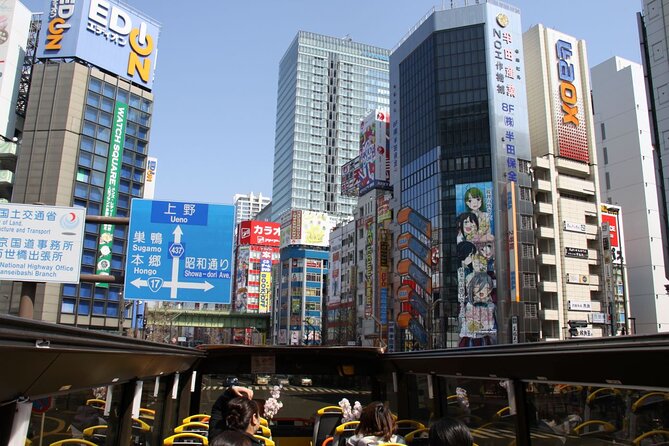
The tour generally operates in rain or shine. If it rains, the open top may be closed, which changes the character of the ride. You still get the route and audio guide, but you lose the open-air views that make the experience special.
Typhoons and other extreme weather can lead to cancellation. Schedules can also shift slightly because of traffic, weather, or unexpected road conditions. Check the forecast and keep your plans flexible, especially during storm season.
Smoking, food, selfie sticks, and umbrellas are not allowed on the vehicle. That last rule is practical: an umbrella on an open upper deck can block views and create a safety problem. Wear clothing suitable for the forecast and keep your hands free for the ride.
You may bring one piece of luggage per person, provided it fits comfortably. The maximum total size for luggage stored in the trunk is 155 centimeters when you add height, width, and depth. Items stored there cannot be reached during the ride, so keep passports, money, medicine, phones, and other valuables with you.
The maximum group size is 40 people. That is large enough to feel like a standard sightseeing departure, but not so large that the bus becomes a huge crowd. The exact seat view will depend on where you sit and how full the departure is.
Who gets the most value from this experience
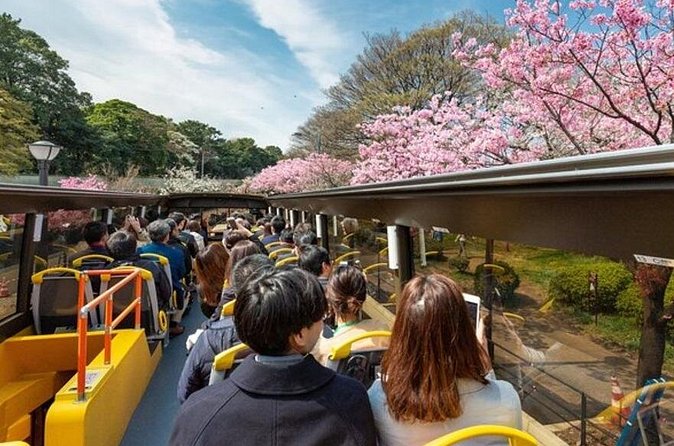
I would recommend this bus for a first day in Tokyo, especially if you have just arrived and want a low-effort way to understand the city’s layout. It also suits you if you have only a short time in Tokyo or want a break from walking and train transfers.
Families and older visitors may appreciate the seated format. You can see several districts without changing trains or working out a new route at every stop. The open top adds a little fun for children, though weather can affect comfort.
The Bay Course is the better pick if you want bridges, waterfront views, Odaiba, and the contrast between central Tokyo and Tokyo Bay. The City Course is better if the Imperial Palace, Roppongi, Tokyo Midtown, and central shopping districts are more important to you.
I would skip it if you expect a hop-on, hop-off service, a live guide, or stops at the major sights. You will not get off the bus during the tour, and the audio may not always point perfectly to the building you are looking at. If you already know Tokyo well, the ride may feel more like a pleasant circuit than a discovery.
Price, cancellation, and practical value

At about $11.71 per person, this is a modest-cost way to cover a lot of Tokyo in a short period. You are paying for a moving city view and basic commentary, not admission to attractions or personal guiding.
The best value comes when you use it as an orientation ride. Afterward, you can decide which areas deserve a longer visit. For example, the bus might help you choose between returning to Ginza, walking around Odaiba, or setting aside time for the Imperial Palace area.
Free cancellation is available if you cancel at least 24 hours before the start time. Changes made inside that 24-hour window are not accepted, and the amount paid is not refunded for late cancellation. The operator may also cancel if the minimum number of participants is not reached, in which case you are offered another date or experience, or a full refund.
Should you book this Tokyo bus tour?
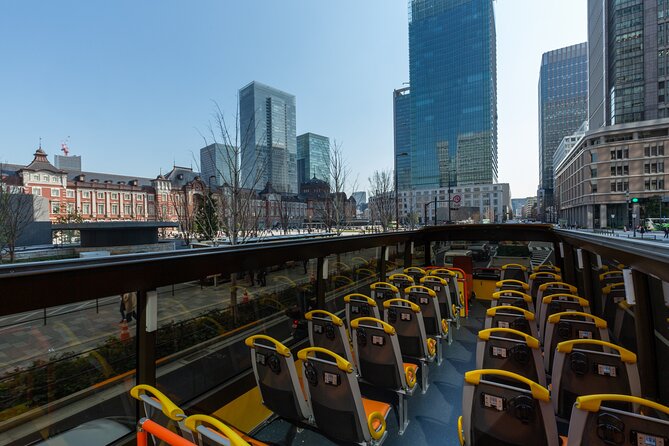
Book it if you want a simple, inexpensive overview with good city and waterfront views, especially on your first day. Choose the Bay Course for Rainbow Bridge and Odaiba, or the City Course for the Imperial Palace and Roppongi.
Do not book it expecting a detailed guided visit. You will remain on the bus, the audio can be slightly out of sync, and rain may close the roof. With those limits understood, this is a useful way to get your bearings fast, enjoy Tokyo from above street level, and save your energy for the places you decide to explore later.
FAQ
How long does the Tokyo open-top bus tour last?
The ride lasts approximately 1 hour and 10 minutes.
Is this a hop-on, hop-off bus tour?
No. The bus does not offer hop-on, hop-off service, and you cannot get off at the attractions during the ride.
What are the two available routes?
The Bay Course passes Tokyo Station, Marunouchi, Zojoji Temple, Tokyo Tower, Rainbow Bridge, Fuji TV Building, the Statue of Liberty, Odaiba Seaside Park, Shiodome, and Ginza. The City Course passes the Imperial Palace, Tokyo Midtown, Roppongi, Tokyo Tower, and Ginza.
What languages are available on the audio guide?
The GPS audio guide is available in Japanese, English, Chinese, French, Korean, Vietnamese, and Thai.
Do I need to bring earphones?
The audio system uses a 3.5 mm mini plug. You can bring compatible earphones, or rent optional earphones for 100 yen.
Where does the tour start and finish?
The tour starts at the Tokyo VIP Lounge in Yaesu, Chuo City, and ends back at the meeting point.
What happens if it rains?
The tour normally operates in rain, but the open top may be closed. Extreme weather, including typhoons, can lead to cancellation.
How early should I arrive?
You should check in 20 to 40 minutes before departure. The bus leaves on schedule and cannot wait for late arrivals.
More routes you ride at your own pace around Japan
- Los Angeles: Hop-On Hop-Off Bus Tour with Audio Guide
★ 3.7 · 2,030 reviews - Zurich: City Bus Tour with Audio Guide and Lake Cruise
★ 4.3 · 1,195 reviews - City Sightseeing Hop-On Hop-Off Bus Tour with Audio Guide
★ 3.0 · 1,083 reviews - Toulouse: City Sightseeing Tour by Bus with Audio Guide
★ 4.2 · 956 reviews
More routes with commentary in your ear around Japan
- Milan: City Sightseeing Hop-On Hop-Off Bus with Audio Guide
★ 4.0 · 6,256 reviews - London: Christmas Lights Bus Tour With Live Guide
★ 4.0 · 5,410 reviews - Big Bus Dublin Hop-on, Hop-off Sightseeing Tour with Live Guide
★ 4.5 · 2,387 reviews - Trieste Bus Tour with Audio Guide
★ 4.4 · 2,170 reviews
Recently added around Japan
- Departing from Takayama [Regular sightseeing bus] World Heritage Sites Shirakawago and Gokayama Ainokura★ 4.5 · 137 reviews
- Hiroshima & Miyajima 1 Day Bus Tour with Bullet Train Tickets★ 4.5 · 105 reviews
- From Osaka: Himeji Castle, Arima Onsen & Mt. Rokko Day Tour★ 4.6 · 339 reviews
- Play with Snow Crab Buffet Lunch and Strawberry Picking Bus Tour★ 5.0 · 88 reviews
- Tokyo: 60min Panoramic Open Top Bus Tour with Audio Guide★ 4.0 · 40 reviews
- Tokyo Thrilling Open Top Bus Expressway Adventure Tour★ 4.3 · 5 reviews
- Tokyo: Open Top Panoramic Sightseeing Bus with Audio Guide★ 3.8 · 254 reviews
- From Hiroshima: Hiroshima & Miyajima 1 Day Tour with Lunch★ 4.7 · 395 reviews
Sightseeing Bus Tours, compared.
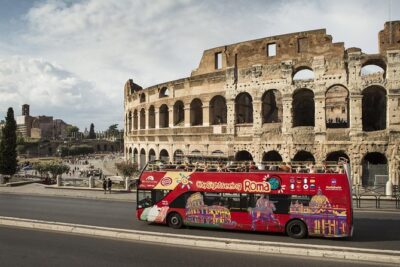
City Sightseeing Hop-on Hop-off Bus with Audioguide
Read our review →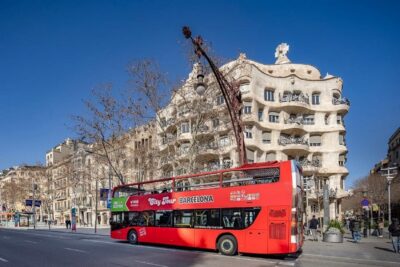
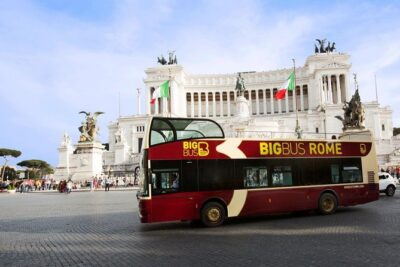
Big Bus Hop-on, Hop-off Open-Top Sightseeing Tour
Read our review →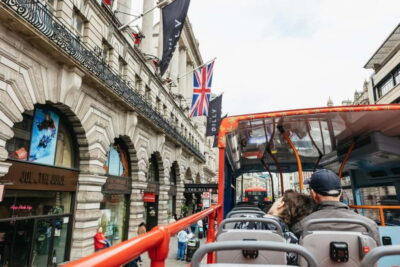
City Sightseeing London Hop-On Hop-Off Bus & Bookable Extras
Read our review →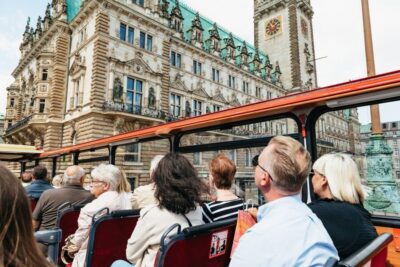
City Sightseeing HOHO Bus Tour + Sunset & Night Tour
Read our review →
City Sightseeing Hop-On Hop-Off Bus with Audio Guide
Read our review →
Hop-on Hop-off Sightseeing Tour by Open-top Bus
Read our review →Browse the lists this tour appears in