
Review · TOKYO BUS TOURS
Full Tokyo: Meiji Shrine, Imperial Palace, Asakusa & Skytree
Tokyo packs centuries of tradition and futuristic spectacle into a surprisingly small area, and this seven-hour coach tour takes you through both sides of the city. You’ll see Shibuya Crossing from the bus, walk through Meiji Shrine’s forest, pause at the Imperial Palace, visit Hamarikyu Gardens, and finish high above the city at Tokyo Skytree.
I like the wide range of stops and the long two-hour break in Asakusa, which gives you time for Senso-ji Temple and lunch rather than a rushed photograph. I also like that the English-speaking guide makes a point of translating for the group, even when most of the passengers speak Spanish. The main concern is timing: some visits can feel shorter than the published schedule, and the tour offers more sightseeing from the coach than walking.
Key points at a glance
- Tokyo in one day: Cover Meiji Shrine, the Imperial Palace, Hamarikyu Gardens, Asakusa, and Skytree without changing trains.
- A practical first-day tour: The route gives you a quick orientation to Shibuya, Shinjuku, Akihabara, and Tokyo Bay.
- Best walking stop: Meiji Shrine offers a calm break from Tokyo’s traffic and tall buildings.
- Two hours in Asakusa: Visit Senso-ji, eat lunch, and explore at your own pace.
- Strongest view: Tokyo Skytree provides the final panorama and is included in the tour price.
- Watch the clock: Shibuya, Shinjuku, Akihabara, and parts of the Imperial Palace are mainly seen from the coach.
What this Tokyo tour is really designed to do
At $80 per person, this is a sightseeing sampler rather than a slow cultural tour. You are paying for transport between far-flung parts of Tokyo, a bilingual guide, admission to Hamarikyu Gardens, and access to Tokyo Skytree. If you tried to connect every stop by train in one day, you would spend a fair amount of time navigating stations and changing lines.
The tradeoff is simple. You see a lot, but you do not study every place in depth. Several stops are scenic drives or brief photo pauses. That makes the tour useful for a first visit, especially if you want to identify places to return to later, but less satisfying if your main goal is detailed history at each monument.
The bus also matters because Tokyo’s attractions are spread across different districts. Ginza, Shibuya, Meiji Shrine, the Imperial Palace, Hamarikyu, Akihabara, Asakusa, and Skytree do not form a compact walking route. A coach keeps the day moving and gives you a break from Tokyo’s crowded stations.
Other routes people ride around Tokyo:
- Mt Fuji and Hakone 1-Day Bus Tour Return by Bullet Train
★ 5.0 · 26,383 reviews - 1-Day Tokyo Bus Tour
★ 5.0 · 14,250 reviews - Tokyo: Meiji Shrine, Asakusa, Skytree Bus Tour and Cruise
★ 4.7 · 1,986 reviews
Meeting in Ginza and getting oriented
The tour begins at Ginza Inz 2, across from Tokyo Hands. You can reach the meeting point from Ginza Station Exit C9 or the Central Exit of JR Yurakucho Station. Arrive at least 10 minutes early for check-in, since a large city tour cannot wait easily for late arrivals.
Ginza is a sensible starting point. It is central, polished, and easy to reach by train, though the Ginza streets can be confusing if you are unfamiliar with the area. Give yourself extra time, especially if you are carrying luggage or changing from another train line.
The tour then travels by coach toward the first major sightseeing areas. The published driving segments include about 40 minutes at the start and longer stretches between the main districts. Traffic can affect the actual pace, so keep your expectations flexible.
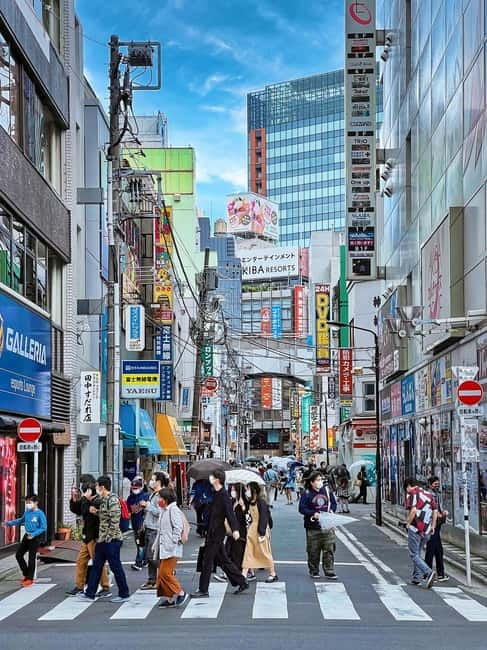
Shibuya Crossing from the bus
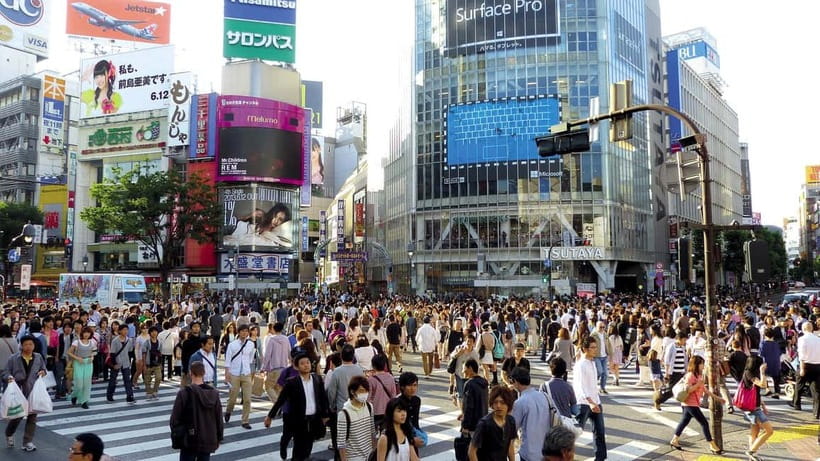
Shibuya Crossing is one of Tokyo’s signature scenes: a broad intersection filled with pedestrians moving in several directions at once. Here, the tour gives you a scenic drive and a panoramic view from the bus rather than a long stop on the pavement.
That distinction is important. If you want to cross the intersection yourself, photograph it from a nearby building, or spend time around Shibuya’s shops, this experience will not give you much free time there. The value is the quick introduction, not a full visit.
I see this as a useful orientation stop. You get the famous city view without having to find the best lookout on your own, then move on before the day loses momentum. If Shibuya is high on your personal list, plan to return independently.
Meiji Shrine, Tokyo’s quietest major stop
Meiji Shrine is the first place where the tour slows down. Set in a large urban forest, the shrine feels far removed from Shibuya’s traffic and screens. The visit lasts about 70 minutes, making it one of the more substantial guided stops.
You’ll walk through the shrine grounds and see a central part of Shinto practice in Tokyo. The setting is the real attraction: broad paths, tall trees, and a sense of quiet despite the city nearby. Your guide can also help explain the customs and meaning behind the shrine, though the amount of detail may depend on the guide and the group.
Wear comfortable shoes. The tour is not a nonstop bus ride, and Meiji Shrine is one of the places where you will spend time on foot. A hat, sunscreen, and water are also sensible in warm weather.
Same city, a different seat on a different deck:
- Mt Fuji & Hakone Cruise, Drum Show Bus 1 Day from Tokyo
★ 4.0 · 1,287 reviews - Mt Fuji and Hakone 1-Day Bus Tour Return by Bus
★ 4.5 · 929 reviews - Tokyo: Mt.Fuji & Lake Kawaguchiko 1-Day Bus Tour w/Optional Lunch
★ 4.5 · 839 reviews - Tokyo: Open Top Panoramic Sightseeing Bus with Audio Guide
★ 3.8 · 254 reviews
A drive through Shinjuku and Godzilla’s rooftop cameo
The coach continues through Shinjuku, one of Tokyo’s most recognizable central districts. This part is mainly viewed through the windows, so treat it as a moving introduction rather than a neighborhood visit.
One fun detail is the giant Godzilla figure perched above a Shinjuku building. It is easy to miss if you are distracted by traffic or listening to the guide, so keep your eyes up as the bus passes. The stop gives you a glimpse of Tokyo’s pop culture side before the route shifts back to formal sights.
This is also where the tour’s format becomes clear. The guide can point out landmarks and explain the route, but you are not getting a long walk through each district. For a broad city survey, that works. For shopping, nightlife, or street photography, you would need extra time elsewhere.
The Imperial Palace photo stop
The Imperial Palace offers a grand contrast to Shibuya and Shinjuku. The tour stops for about 30 minutes, giving you time to photograph the exterior and surrounding grounds.
Do not expect an interior palace visit. The appeal here is the formal approach, the stone bridges, and the sense of Japan’s imperial center. It is a good photo stop, but a short one. One account of the day found this visit closer to 20 minutes than the full scheduled period, so you should not count on a long guided exploration.
I would bring your camera ready before leaving the bus. With a brief stop, you want to spend your time looking and photographing rather than sorting through bags or deciding where to go. The palace works best as part of the larger day, not as the sole reason to book the tour.
Hamarikyu Gardens beside Tokyo Bay
Hamarikyu Gardens is one of the tour’s most pleasant pauses. The former garden sits by Tokyo Bay and offers traditional Japanese design in the middle of the modern city. You’ll have about 40 minutes to walk through the grounds and enjoy a quieter setting after the traffic and palace stop.
The garden is especially useful as a change of pace. You are not simply moving from one famous building to another. Instead, you get water, carefully arranged greenery, and open space. The tour includes access to the gardens, so there is no separate entry decision to make during the visit.
Forty minutes is enough for a taste, but not a complete wander. Stay aware of the meeting time. If you like Japanese gardens, this may be one of the stops you want to revisit at a slower pace.
Akihabara through the coach windows
Akihabara is Tokyo’s center for electronics, anime, manga, and gaming culture. On this tour, you see the district during a scenic drive rather than getting time to enter shops or browse arcades.
That makes the stop visual and brief. Look for the neon signs and concentrated commercial energy, but do not pack shopping plans into this part of the day. If you want electronics or pop-culture goods, return independently with several hours available.
Still, the drive earns its place. The tour moves from shrines and imperial buildings to one of Tokyo’s most modern and specialized districts. That contrast helps you understand how varied the city can be within a short distance.
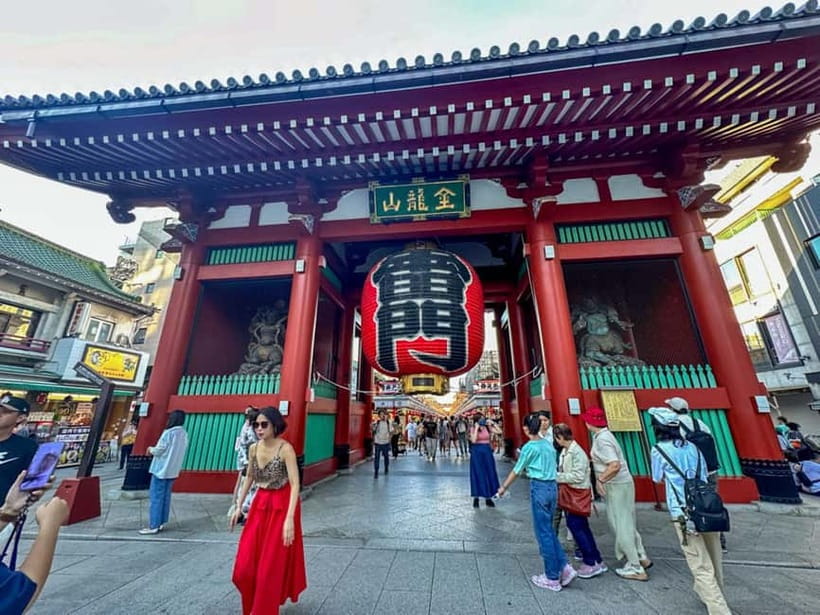
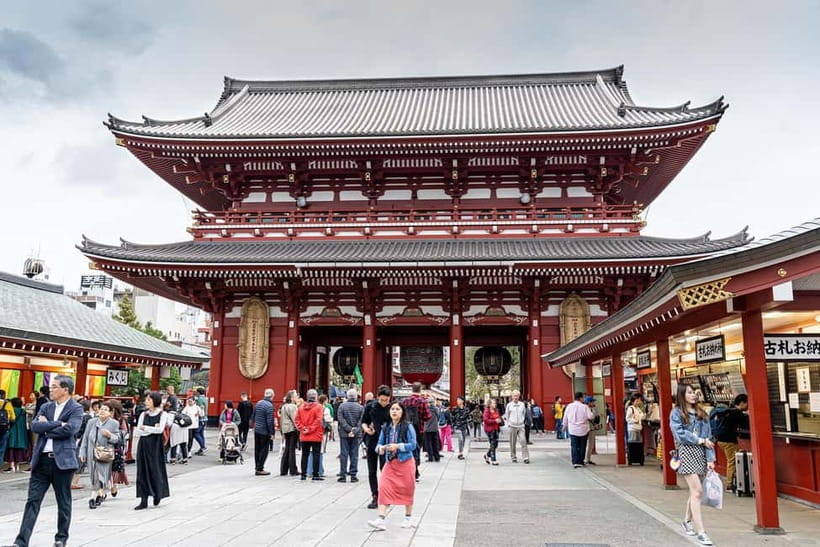
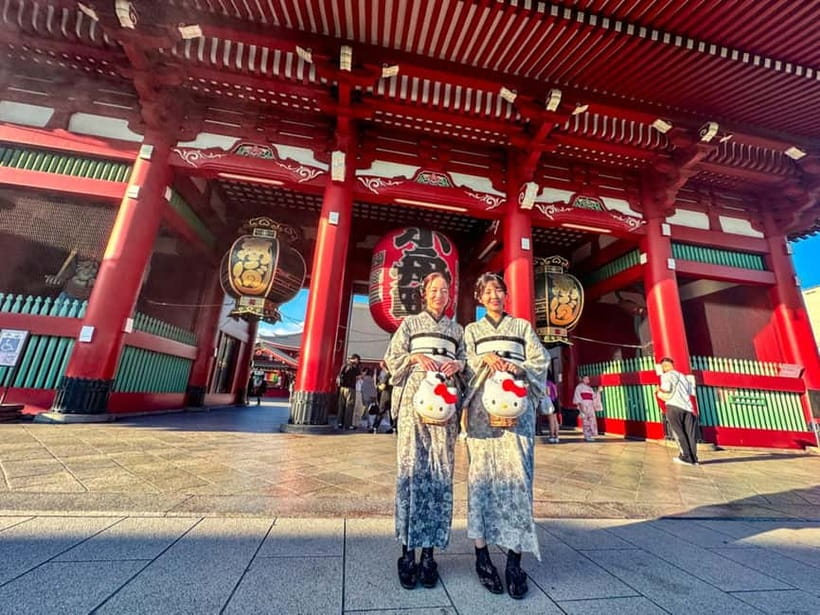
Two hours in Asakusa and Senso-ji Temple
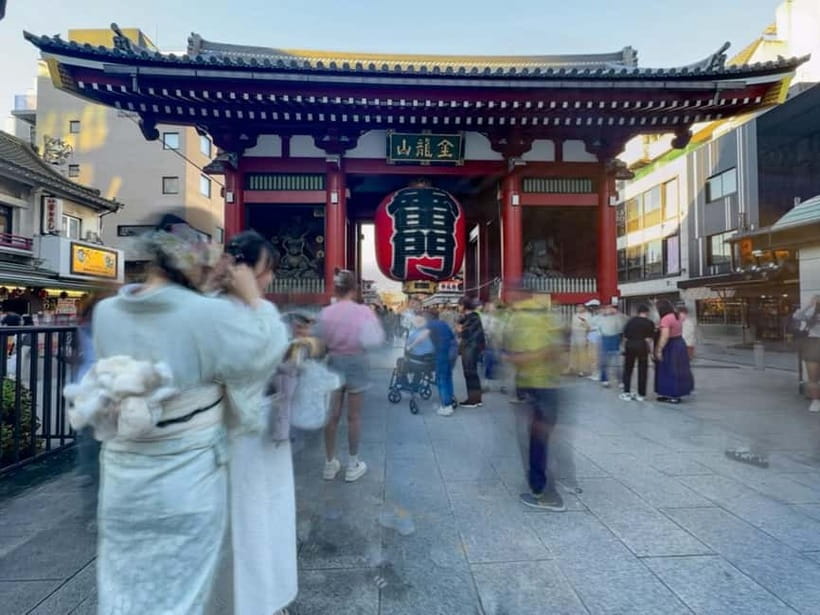
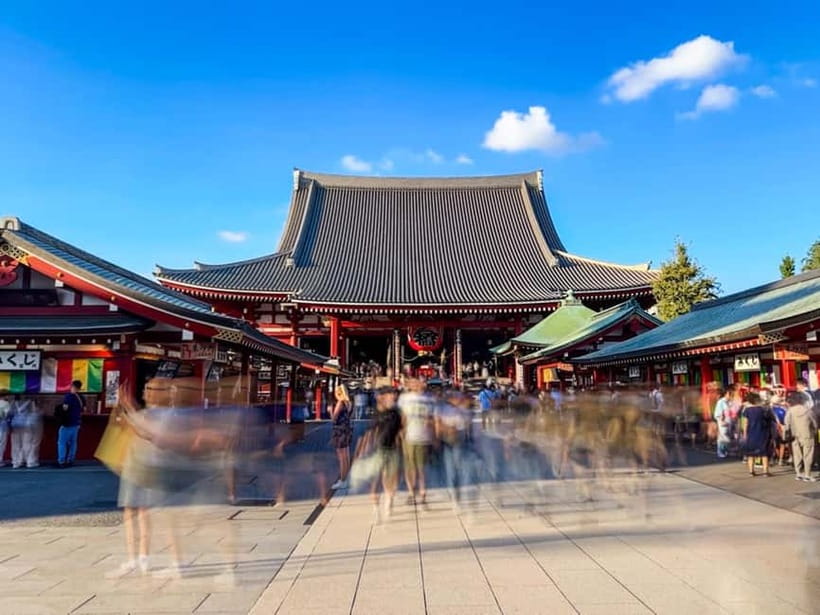
Asakusa is the tour’s main free-time stop, with about two hours for lunch and exploration. This is enough time to visit Senso-ji Temple, walk through the surrounding streets, and choose a meal without feeling pressed every minute.
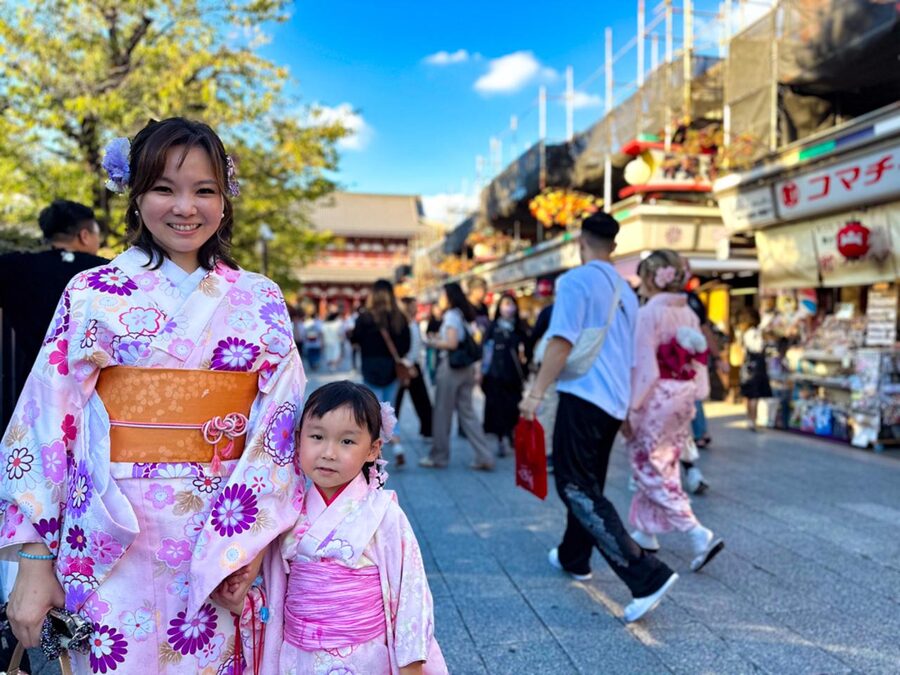
Senso-ji is one of Tokyo’s most important Buddhist temples and one of the city’s best places to experience an older style of Tokyo street life. The approach to the temple is lined with shops and food stalls, giving you more to see than the temple grounds alone. You can take photographs, browse, and pause for a snack.
If you select the lunch option, the meal is included at a local restaurant. If you do not, you can use the free time to choose your own food. The exact meal details are not specified, so diners with strong preferences should consider the independent option.
Two hours is a good compromise. It gives you real time on foot, unlike the quick views in Shibuya and Akihabara, but you still need to return to the coach promptly. Keep track of the meeting instructions, especially if you wander away from the temple area.
Finishing above the city at Tokyo Skytree
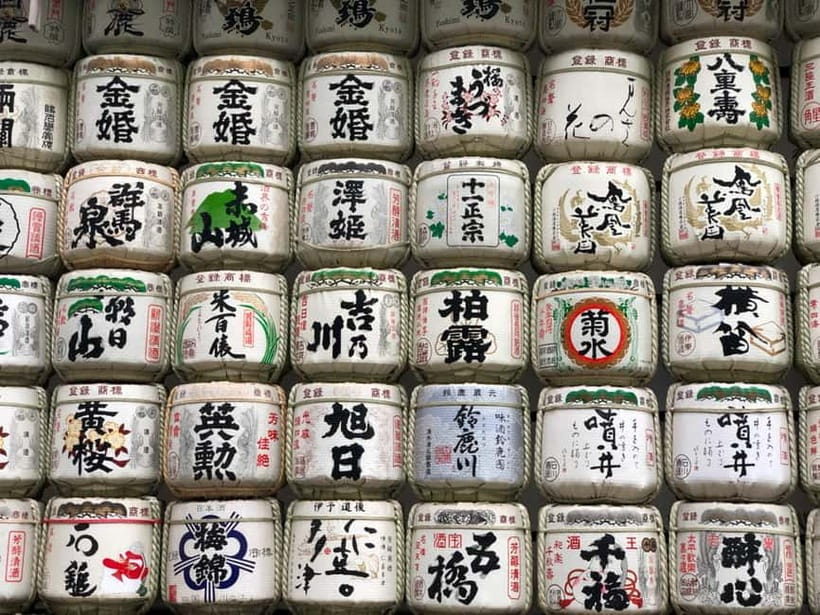
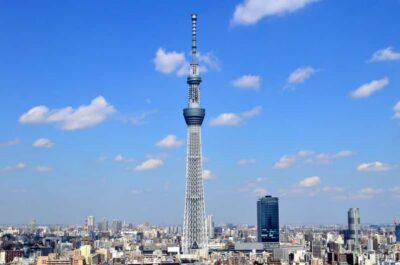
The final stop is Tokyo Skytree, where you go up to the observation deck for wide views across the city. This is the tour’s grand finish and one of its clearest value points, since Skytree access is included.
The view gives you a useful sense of Tokyo’s scale. After seeing individual districts from street level, you can look down over the city and connect the route in your mind. The observation deck also gives you a proper end point rather than dropping you back at an ordinary street corner.
The supplied details conflict slightly about the ending. The itinerary says the activity ends at Tokyo Skytree, and the important information also tells you that the tour ends there, while the meeting-point section says it ends back at the original meeting point. Plan on finishing at Skytree and confirm the exact arrangement before booking, especially if you have an evening train, dinner reservation, or luggage waiting in Ginza.
The guide and language experience
The tour runs in English and Spanish with a bilingual guide. One useful detail for English speakers is that the guide may take care to provide the same information in English even when you are the only English-speaking person in the group.
Pastor and George are names associated with the guiding team, though you should not assume both will lead your departure. The experience can depend heavily on how much historical and cultural context your guide gives. One day felt thin on explanation, with only practical comments about rubbish bins and trash separation, while another felt well organized and informative enough for an English-speaking participant.
That difference is worth keeping in mind. Book this tour for transport, coverage, and a broad introduction first. Consider the guide commentary a useful extra, not a guarantee of a detailed lecture at every stop.
Is $80 good value for Tokyo?
The price makes reasonable sense if you value convenience. You receive coach transport between many districts, a bilingual guide, entry to Hamarikyu Gardens, and Tokyo Skytree access. You also get two hours in Asakusa, where you can choose a meal or explore independently.
The value is weaker if you live near Tokyo and are comfortable using trains. In that case, you can visit Meiji Shrine, the Imperial Palace area, Asakusa, and Skytree on your own, then spend more time at each place. You would also have more control over meals and shopping.
The tour is best for a first day in Tokyo, a short stay, or anyone who dislikes navigating a huge rail network. It is less suited to visitors who want long walks, detailed temple explanations, or substantial time in Shibuya, Shinjuku, or Akihabara.
Practical advice before you book
Wear comfortable shoes, bring water, and carry a hat and sunscreen in sunny weather. A camera is worthwhile, especially for the Imperial Palace, Hamarikyu Gardens, Senso-ji, and the Skytree view.
This activity is not suitable for wheelchair users. Free cancellation is available up to 24 hours before departure for a full refund, and you can reserve now and pay later. The listed duration is seven hours, but traffic and the pace of the group can affect the day.
I would also avoid scheduling anything tight after the tour. Tokyo traffic can be unpredictable, and the finish is stated as Tokyo Skytree. Leave room for dinner or onward travel.
Should you book this Tokyo tour?
Book it if you want to cover Tokyo’s major sights in one organized day, especially on a first visit. The route gives you a useful mix of Shinto tradition, imperial architecture, gardens, old Tokyo, pop culture, and a high city view.
Skip it if you already know Tokyo’s train system and prefer slow, detailed visits. The short Shibuya and Akihabara stops, brief palace visit, and uneven guide commentary may leave you wanting more.
For most first-time visitors, the strongest plan is to use this as an orientation day. Enjoy Meiji Shrine, Hamarikyu Gardens, Asakusa, and Skytree fully, treat the coach drives as introductions, and return later to the districts that catch your interest.
FAQ
Where does the tour start?
The tour starts at Ginza Inz 2, across from Tokyo Hands. You can reach it from Ginza Station Exit C9 or the Central Exit of JR Yurakucho Station.
Where does the tour end?
The activity information states that the tour ends at Tokyo Skytree. Another meeting-point note says it ends back at the original meeting point, so confirm the final arrangement before departure.
How long does the tour last?
The tour lasts seven hours. Starting times vary, so check availability when booking.
Is lunch included?
Lunch is included only if you choose the lunch option. Otherwise, you have free time in Asakusa to arrange your own meal.
What languages does the guide speak?
The live guide provides the tour in English and Spanish.
Is Tokyo Skytree admission included?
Yes. The tour includes entrance to Tokyo Skytree and access to its observation deck.
Recently added around Tokyo
- Tokyo: Mount Fuji Views and KABA Amphibious Bus Day Tour★ 5.0 · 4 reviews
- 3-Row Luxury Bus Tour to Mt. Fuji, Lake Kawaguchi from Tokyo★ 4.3 · 3 reviews
- Tokyo: 1 Day Bus Tour with Meiji-Jingu,Odaiba,lunch&Skytree★ 4.6 · 156 reviews
- Tokyo: A Half-Day Trip Bus Tour in the Morning★ 4.6 · 236 reviews
- Tokyo: Morning Sightseeing Bus Tour★ 4.4 · 109 reviews
- Tokyo: 60min Panoramic Open Top Bus Tour with Audio Guide★ 4.0 · 40 reviews
- Tokyo Thrilling Open Top Bus Expressway Adventure Tour★ 4.3 · 5 reviews
- Tokyo: Open Top Sightseeing Bus with Audio Guide★ 4.5 · 5 reviews
Tokyo Bus Tours, compared.
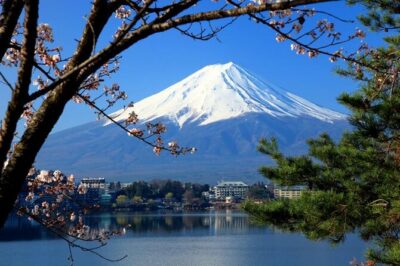
Mt Fuji and Hakone 1-Day Bus Tour Return by Bullet Train
Read our review →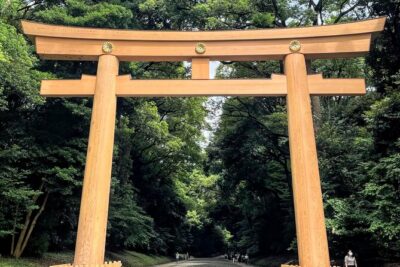
Meiji Shrine, Asakusa, Skytree Bus Tour and Cruise
Read our review →
Mt Fuji & Hakone Cruise, Drum Show Bus 1 Day from Tokyo
Read our review →
Mt Fuji and Hakone 1-Day Bus Tour Return by Bus
Read our review →
Mt.Fuji & Lake Kawaguchiko 1-Day Bus Tour w/Optional Lunch
Read our review →
Open Top Panoramic Sightseeing Bus with Audio Guide
Read our review →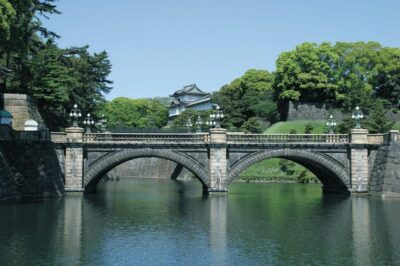
Browse the lists this tour appears in