
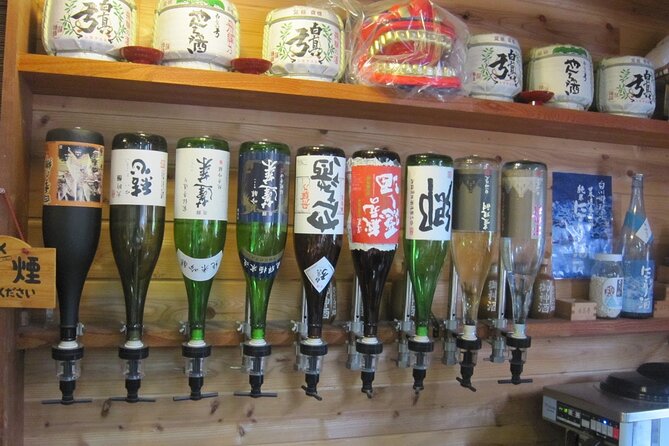
Review · JAPAN BUS TOURS
[One-day bus tour departing from Kanazawa Station] Shirakawa-go and Gokayama – Two World Heritage Villages Enjoyable Bus Tour
The best part of this day trip is the contrast between famous Shirakawa-go and quieter Gokayama Ainokura. You see the grand, steeply thatched houses that appear on every Japan postcard, then spend time in a smaller mountain settlement where the pace feels slower and the scenery less crowded.
I like two things right away: lunch is arranged for you, which saves precious time in busy Shirakawa-go, and the guides give you a map plus a practical plan without forcing you to follow a group walk. The main drawback is the long bus ride and limited time, especially if you want to enter several historic houses or climb to the castle ruins viewpoint.
Key points to know before booking
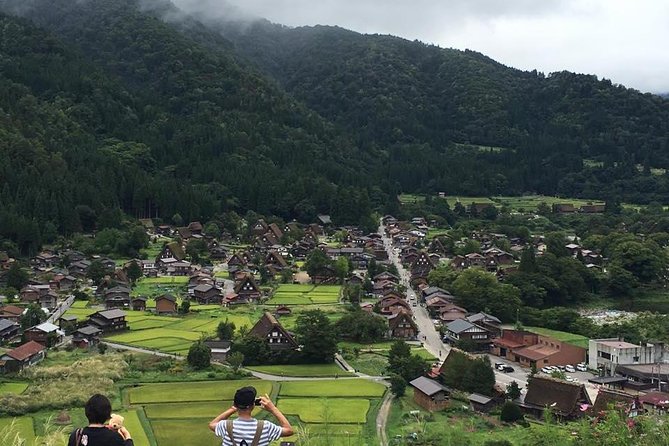
- Two very different villages: Shirakawa-go is the larger, better-known stop, while Ainokura in Gokayama feels quieter and more rural.
- English support throughout the day: A Japanese guide and English-speaking staff provide explanations, directions, and timing information.
- Lunch is included: Expect a traditional Japanese set meal featuring Hida-area foods and mountain produce.
- Free time rather than a forced group tour: You explore each village at your own pace using maps and advance suggestions.
- A full day from Kanazawa: The bus leaves at 8:00 a.m. and returns around 3:45 p.m., with roughly 7 hours and 45 minutes on the road and at the villages.
- Plan for walking: The castle ruins viewpoint takes 10 to 15 minutes each way on foot, or you can use a local shuttle for 300 yen each way.
Why this Kanazawa day trip works
Shirakawa-go and Gokayama are not easy places to combine by ordinary public transport in a single day. They sit in the mountains, and driving yourself means dealing with mountain roads, parking, and a careful timetable. This tour removes those chores while keeping the villages largely self-guided.
That balance matters. I enjoy guided trips more when the guide explains what I am seeing, then gives me room to wander. Here, the guide briefs you on the villages during the ride, points out useful places, and gives you a walking map. Once you arrive, you are free to choose your own route.
The tour has a maximum of 40 people. That is not a tiny group, but the format helps keep the day manageable because you do not spend every minute moving as one pack. You return to the bus at set times, so you need to watch the clock.
The English support is a major reason to choose this outing. The arrangement can include a Japanese-speaking tour leader and a fluent English interpreter. Guide Kuroda receives especially warm praise for explaining local sights clearly, adding humor, and keeping the day moving without talking nonstop. The exact staff may vary, but English assistance is part of the experience.
More history along the route around Japan:
- Departing from Takayama [Regular sightseeing bus] World Heritage Sites Shirakawago and Gokayama Ainokura
★ 4.5 · 137 reviews - From Kyoto: Nara History Guided Half Day Bus Tour with Lunch
★ 4.8 · 114 reviews - [Day trip bus tour from Kanazawa Station] Weekend only! World Heritage Shirakawago Day Bus Tour
★ 5.0 · 46 reviews
Leaving Kanazawa Station at 8:00 a.m.
Meet at the Kanazawa Port Exit, also called the West Exit, of JR Kanazawa Station at 7:50 a.m. The bus leaves at 8:00. Give yourself enough time to find the group bus drop-off area, since Kanazawa Station has several exits and a busy transport zone.
The starting point is convenient if you are staying near the station or arriving by train. The tour also ends there at about 3:45 p.m., which makes it easy to continue with dinner in Kanazawa or catch an onward train, provided you allow a little extra time in case road conditions slow the return.
The ride to the mountains is part of the day. It takes about 80 minutes to reach the first main stop, and you spend another long stretch returning to Kanazawa. The bus is air-conditioned, and several people particularly appreciate the comfortable seats and generous legroom.
Use the ride well. This is when the guide explains the villages, local geography, house design, and practical details such as where to go and how long each walk may take. If you have questions, the bus is the best time to ask them.
A short look at Shirakawa-go’s house style
The first stop is Michi-no-Eki Shirakawago, a roadside station reached before the main village visit. You have about 15 minutes here. It is a quick orientation stop, not a major sightseeing block.
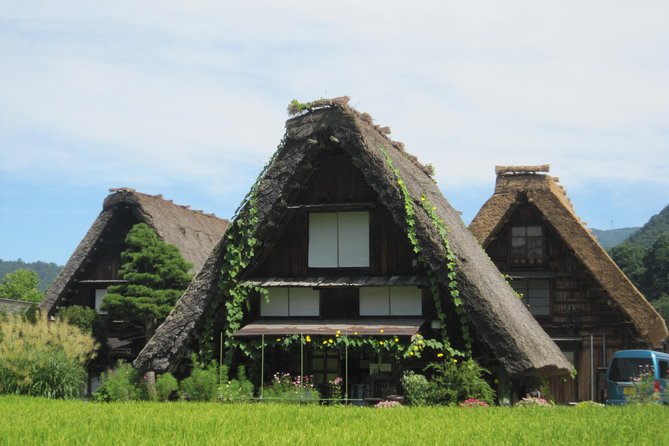
The roadside station includes a Gassho Museum, where you can see the distinctive construction style up close. The tall thatched roofs are built without nails and are shaped to handle heavy winter snow. The stop gives you a useful visual introduction before you walk among the actual village houses.
You can also browse souvenirs here. Keep your expectations realistic: 15 minutes is enough for a quick look, a few photos, and perhaps a purchase, but not for a long museum visit and a relaxed shopping session.
The stop may change during regular holidays. The roadside station closes from December 29 through January 1, and the tour may instead stop at Jottekale Castleside in Toyama Prefecture. The schedule can also change because of weather and road conditions.
Shirakawa-go: postcard views and limited free time
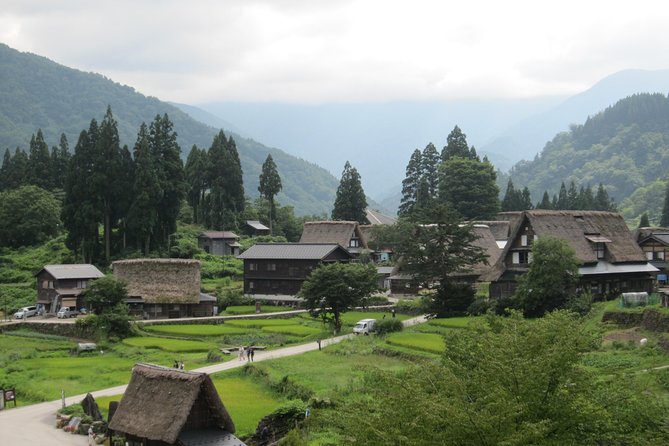
The main Shirakawa-go visit runs from about 9:40 to 11:45, giving you roughly two hours and five minutes to explore before lunch. Some descriptions count the village visit and lunch together as a longer stop, so the important figure for planning is this: you have a little over two hours before sitting down to eat.
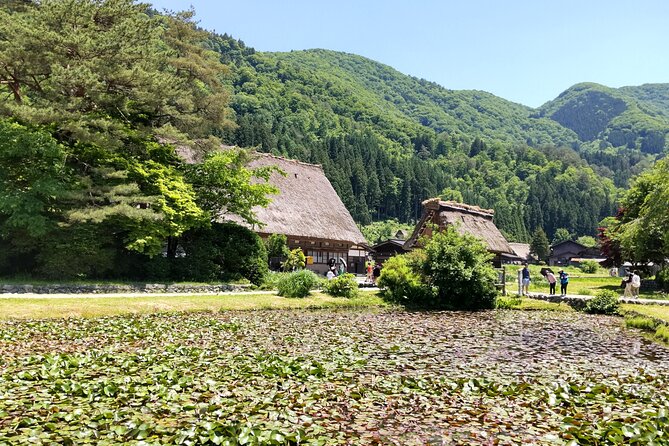
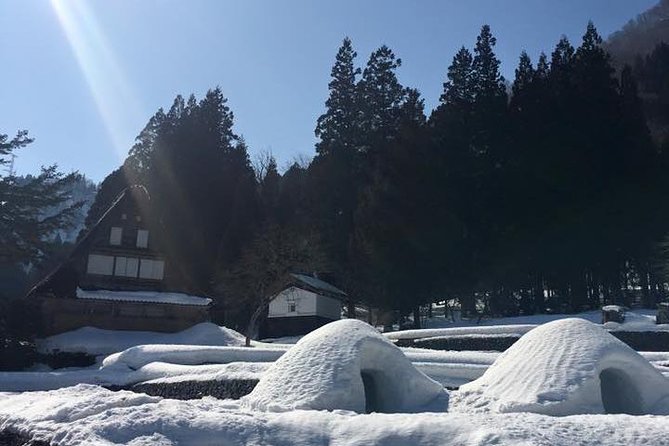
Shirakawa-go is the larger and more famous of the two settlements. Its gassho-zukuri houses have sharply angled thatched roofs, designed for heavy snowfall. The houses are not simply pretty rural buildings. They reflect a way of life shaped by steep mountains, cold winters, limited farmland, and household industries.
You can stroll at your own pace through the settlement, take photos, browse shops, and stop at cafes or tea houses. The guide provides advice on what to see and how to use your time, but you are not locked into a group route. That makes the outing a good fit if you dislike being hurried from one landmark to the next.
The classic viewpoint is at the Ogimachi Castle Ruins Observatory. You walk about 10 to 15 minutes each way to reach it. The climb gives you the broad view of the village and its roofs, but it takes a meaningful portion of a short visit. A paid shuttle bus costs 300 yen one way, payable locally, if you prefer to save your legs or time.
The key tradeoff is choice. If you visit the viewpoint, you may have less time for the open houses, shops, and side lanes. If you want to enter several historic homes, this schedule may feel tight. One house visit can quickly become a longer stop, especially if you are reading displays and taking photographs.
Shirakawa-go can also become very crowded during popular seasons. Traffic may slow the bus, and queues can form at restaurants, toilets, and attractions. The included lunch is valuable here because you do not have to spend your short village visit hunting for a table.
More routes around Japan:
- Mt Fuji and Hakone 1-Day Bus Tour Return by Bullet Train
★ 5.0 · 26,383 reviews - 1-Day Tokyo Bus Tour
★ 5.0 · 14,250 reviews - PERFECT KYOTO 1-Day Bus Tour
★ 5.0 · 13,518 reviews - Peaceful Hiroshima & Miyajima UNESCO 1 Day Bus Tour
★ 5.0 · 5,309 reviews
A local lunch that protects your sightseeing time
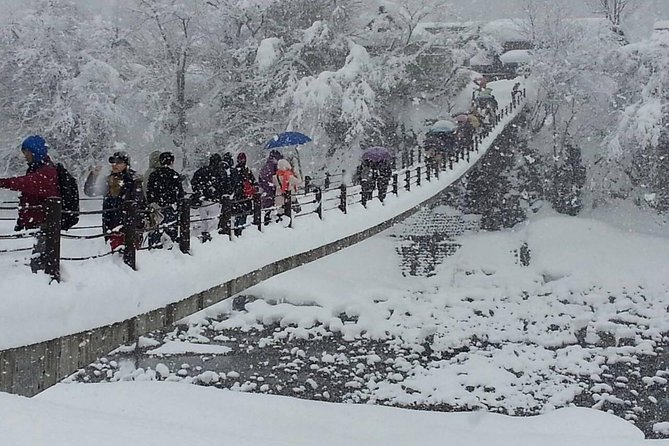
Lunch is served between the two villages, from about 11:45 to 12:30. It is a Japanese set meal using traditional foods from the Hida region and mountain produce. Hida beef is one item that may appear, along with several small dishes, condiments, and seasonal preparations.
This is not a quick sandwich eaten on the bus. The meal is part of the cultural experience, and it is served in a traditional setting. Be prepared to sit on a cushion on tatami flooring. That is enjoyable for many people, but it can be awkward if you have difficulty getting down to the floor or standing up again.
Dietary accommodations may be possible if you ask in advance, but they are not guaranteed for every request. Infant meals are not included. If you need a meal for a child under two, book that child as a child rather than an infant. Infants otherwise receive a bus seat arrangement without meals.
I see the lunch as one of the tour’s strongest practical features. In a busy village, a meal queue can swallow half your free time. Here, you know where and when you are eating, so you can use Shirakawa-go for walking and sightseeing instead.
Gokayama Ainokura and its quieter rhythm
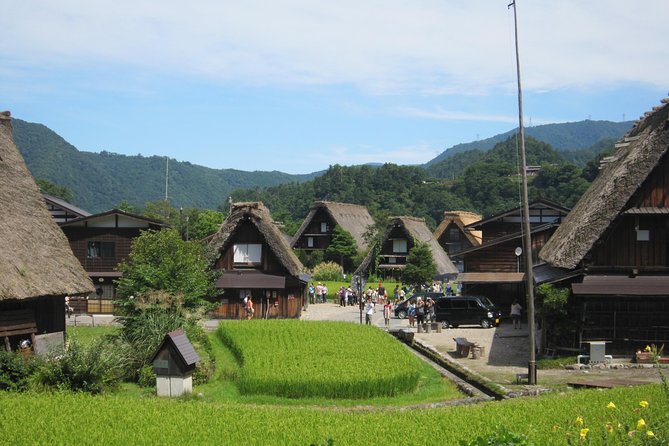
After lunch, the bus continues to Gokayama Ainokura Gassho Village. The scheduled free walk runs from about 1:15 to 2:15, giving you one hour in the settlement.
Ainokura is smaller than Shirakawa-go and has a calmer feel. The houses, mountain setting, and traditional village pattern are similar, but the experience is less about checking off famous viewpoints and more about noticing details. You can walk slowly, photograph the roofs, and take in the quiet setting before returning to the bus.
This second stop is why the tour is more worthwhile than a simple Shirakawa-go transfer. Shirakawa-go gives you the well-known views and a larger choice of shops and sights. Ainokura gives you a different sense of scale and atmosphere. Seeing both helps you understand that these villages are part of a wider regional building tradition, not one isolated photo stop.
One hour is enough for a pleasant walk, especially after the larger first village. It is not enough for a long museum visit, extended shopping, and a leisurely cafe break all at once. Keep your plan simple. Walk the main lanes, pause for views, and return to the meeting point with time to spare.
What the guide adds, and what remains self-guided
The guide’s role is strongest during the bus ride and the briefings before each walk. You receive historical and practical information, a map, estimated walking times, and suggestions about sights and shopping. That preparation helps you get your bearings quickly.
Guide Kuroda is often singled out for his friendly manner, clear English, local explanations, and jokes. Other staff may operate the tour, and the exact language arrangement can vary, but the experience is designed for people who need English assistance.
This is not a private guide who walks beside you at every step. If you want detailed commentary inside every house or a personal history lesson in each lane, choose a more intimate private tour. If you prefer making your own route after a useful briefing, this format is a better match.
The self-guided structure also makes the tour suitable for different ages and interests. A family can pause for drinks, a photographer can choose longer at one viewpoint, and a history-minded visitor can enter an open house if time allows. The fixed departure times are the boundary. Miss the bus, and the day becomes your problem.
The real value of the $88.44 price
At about $88.44 per person, this is not the cheapest way to see a village near Kanazawa. It is a reasonable price for a full day of transport to two remote mountain settlements, English support, organized timing, and a Japanese lunch.
The value improves during busy periods. Driving yourself may look cheaper at first, but parking, road planning, and meal arrangements can make the day less simple. Public transport can work for individual stops, yet fitting both villages into one day requires careful connections and leaves less room for error.
You are not paying for admission to every facility. Entry fees, optional attractions, personal purchases, and food during free time are extra. The viewpoint shuttle is also separate at 300 yen each way. Bring some Japanese yen for small expenses.
The tour also saves mental energy. You do not need to decide where lunch will happen, how to reach Ainokura after Shirakawa-go, or how to return to Kanazawa before evening. For a first visit to the region, that convenience is the main reason to book.
Who should book this day trip
I would choose this tour if you are based in Kanazawa and have one spare day for rural Japan. It is especially useful if you want to see both World Heritage villages without renting a car.
It suits you if you:
- Want English explanations and clear directions
- Prefer free walking time over a constant group walk
- Like traditional Japanese food and do not mind a tatami lunch
- Can handle several hours on a bus
- Want a set schedule that returns to Kanazawa the same afternoon
- Are happy to see the major sights without visiting every open house
It may not suit you if you want a slow overnight stay, extensive photography time, or a private guide. The villages deserve more than a day if you want to explore every lane and museum. This tour gives you a strong introduction, not a deep rural retreat.
Wear comfortable shoes. You will walk on village streets and may climb toward the castle ruins viewpoint. In summer, the heat can be strong, though cafes and tea houses offer places to rest. In rain, the scenery can still be beautiful, but bring suitable clothing and expect possible schedule changes.
Should you book it?
Book this tour if your priority is seeing both Shirakawa-go and Gokayama in one day from Kanazawa with minimal planning. The included lunch, comfortable bus, English support, and free village time make the price fair, especially during crowded seasons.
Skip it if your main goal is complete independence or a long visit inside every historic house. The schedule is carefully arranged, but it is still a schedule. For most people with one free day in Kanazawa, the combination of famous views, a quieter second village, and a traditional meal makes this a practical and rewarding choice.
Free cancellation is available up to 24 hours before the start time for a full refund. Changes made within 24 hours are not accepted, and poor weather may lead to a different date or a full refund.
FAQ
Where does the tour start?
The tour starts at the group bus drop-off point near the Kanazawa Port Exit, also called the West Exit, of JR Kanazawa Station.
What time does the bus leave?
The bus departs at 8:00 a.m. You should meet the group at about 7:50 a.m.
When does the tour return to Kanazawa?
The planned arrival is around 3:45 p.m. at the same West Exit area of Kanazawa Station.
How long does the tour last?
The total duration is approximately 7 hours and 45 minutes.
Is English assistance provided?
Yes. The tour includes English-speaking staff. The guide arrangement may include a Japanese-speaking tour leader and an English interpreter.
Is lunch included?
Yes. Lunch is a Japanese set meal using traditional Hida-region foods and mountain produce.
Are attraction admission fees included?
No. Admission fees for facilities visited during free time are not included in the tour price.
Is the Ogimachi Castle Ruins Observatory included?
You can walk to the viewpoint yourself. The walk takes about 10 to 15 minutes each way. A local paid shuttle costs 300 yen one way.
Can infants join the tour?
Children under two can join free, but the infant price includes only a bus seat and does not include meals. If you need an infant meal, book that child as a child.
What happens if the weather is poor?
The tour requires suitable weather. If it is canceled because of poor weather, you can receive a full refund or choose a different date.
Recently added around Japan
- NARUTO & BORUTO at Nijigen no Mori Park Entry& Bus Transportation★ 3.0 · 3 reviews
- From Kyoto: Nara History Guided Half Day Bus Tour with lunch★ 5.0 · 23 reviews
- Kyoto Sagano Romantic Train in Arashiyama Bus Tour★ 3.0 · 6 reviews
- Kyoto Hop-On, Hop-Off Sightseeing Bus Tour★ 3.0 · 5 reviews
- Kyoto 1 Day Golden Route Bus Tour★ 5.0 · 15 reviews
- Hiroshima, Miyajima 1 Day Bus with Indian Lunch from Osaka, Kyoto★ 5.0 · 7 reviews
- Amanohashidate & Miyama 1-Day Bus Tour: From Osaka/Kyoto w/ Lunch★ 4.5 · 18 reviews
- Full Day Hiroshima and Miyajima Bus Tour★ 5.0 · 12 reviews
Historical Tours, compared.

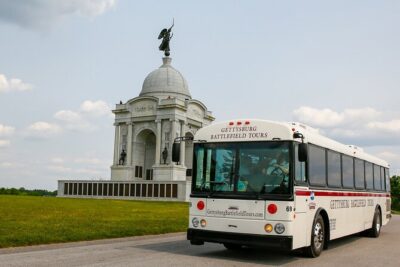
2-Hour Gettysburg Battlefield Guided History Bus Tour with a National Park Guide
Read our review →
Top Rated Brooklyn Half-Day Food, History & Culture Tour via bus
Read our review →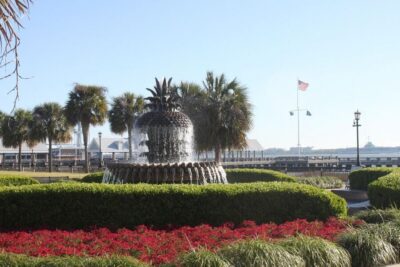
Charleston: Historic City Highlights Guided Bus Tour
Read our review →
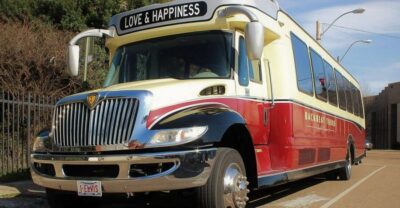
Memphis: Big Mojo Sun Studio + Music History 3-Hour Bus Tour
Read our review →
Browse the lists this tour appears in