
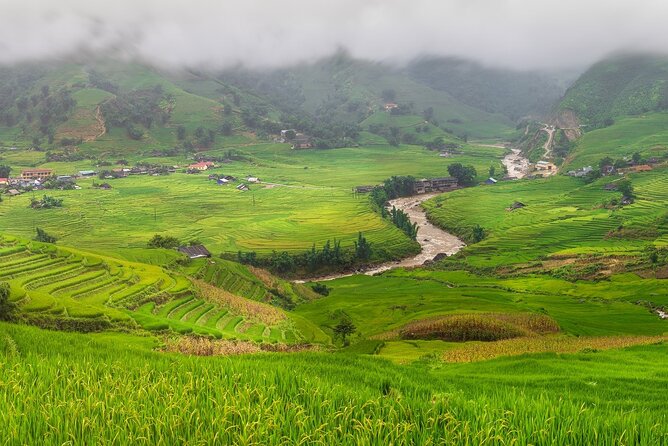
Review · HANOI BUS TOURS
Sapa 2D1N Trekking to Giang Ta Chai Village from Hanoi by Bus
Sapa’s best moments come on foot, far from the town center. This two-day trip takes you through rice terraces, bamboo forest, and mountain paths to Ta Van and Giang Ta Chai, with an overnight stay in a local homestay or bungalow. I like the combination of village walking and practical transport from Hanoi, and I like that dinner, breakfast, guide service, and bus tickets are bundled together. The main caution is the long first-day hike, which can become difficult in rain.
I also like the small-group limit of 15 people and the chance to see the homes and crafts of Giay, Black Hmong, and Red Dao communities. The basic accommodation and long bus ride are not for everyone, and a cheaper local booking may be possible, so compare prices before paying.
Key points at a glance
- 9-kilometer first-day trek: Walk from Y Linh Ho through Lao Chai and along Muong Hoa Stream before reaching Ta Van.
- Giang Ta Chai on day two: Follow rice paddies and bamboo forest trails to a viewpoint over the Red Dao village.
- Transport from Hanoi included: Ride an air-conditioned bus from the Old Quarter to Sapa and back.
- Simple overnight stay: Sleep in a homestay or bungalow with breakfast and dinner included.
- A real fitness test: The route lasts about 3.5 hours on day one and two hours on day two, with rain making the paths harder.
- Small group, not private: The maximum group size is 15, and the guide’s name is assigned rather than fixed in advance.
What this Sapa trek is really like

This is not a relaxed sightseeing trip with a few short walks. It is a compact mountain trek built around two villages and a long first afternoon on foot. You leave Hanoi early, reach Sapa after lunch, and then spend the best part of the afternoon walking through the countryside.
The appeal is simple. You see Sapa’s famous terraces at walking speed, pass through villages where different ethnic communities live, and spend the night outside the town in a homestay setting. You also avoid having to arrange separate Hanoi to Sapa transport, village transfers, accommodation, meals, and a guide.
The trade-off is the schedule. A 6:00 to 6:30 pickup from Hanoi means an early start, several highway rest stops, and a long day before you reach your bed. The bus trip is useful, but it takes up much of the first and second days. You should think of this as an efficient introduction to Sapa, not a slow rural retreat.
More walks and climbs around Hanoi:
- 2-Day Trekking Adventure of Sapa from Hanoi with Night Bus
★ 5.0 · 134 reviews - Sapa Trekking Tour 2 Days 1 Night By Bus
★ 5.0 · 86 reviews - From Hanoi: 2-Day Sapa-Fansipan Peak & Trek & Ha Giang Bus
★ 4.8 · 52 reviews
The bus from Hanoi to Sapa
Pickup is offered from hotels in Hanoi’s Old Quarter. If you stay outside that area, you need to reach the designated meeting point, listed as 30 P. Ly Thai To in Hoan Kiem. After pickup, the bus heads toward Lao Cai and Sapa, with a first rest stop around 9:30 and another around 11:00 in Lao Cai.
The exact arrival can shift. One departure during a Vietnamese holiday was badly delayed, although the guide, Khoi, reportedly reorganized the day and kept the rest of the plan moving. That is useful context: road conditions, holiday traffic, and group pickup can affect the timetable.
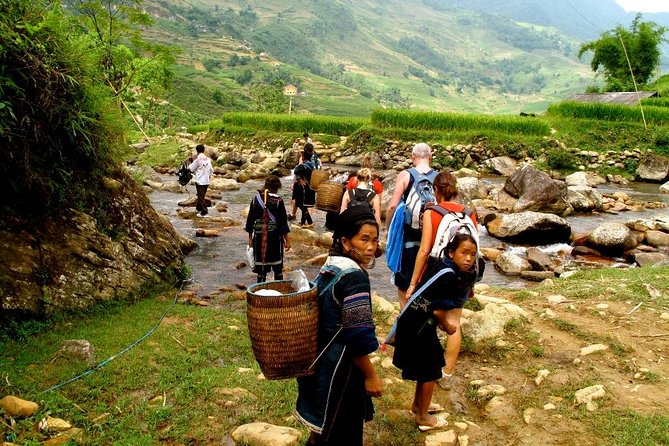
You reach Sapa Town at about 13:30. This is a busy transition point, with people in the traditional clothing of H’mong, Dzao, and Tay communities, plus the practical business of getting off the bus and meeting the walking guide. Lunch at a local restaurant follows before the trek begins.
The bus is air-conditioned, and the round trip is included in the price. You should not expect door-to-door service at the end, though. The return bus finishes at the Hanoi bus stop, and you arrange your own way back to your hotel.
Day one: Y Linh Ho, Lao Chai, and Ta Van
After lunch, the walking section begins at around 14:30. The route runs through Y Linh Ho, across rice terraces, and beside Muong Hoa Stream toward Lao Chai, a Black Hmong village. From there, you continue toward Ta Van, where Giay people live.
The advertised distance is about 9 kilometers, taking roughly 3.5 hours. That sounds manageable on paper, but the total effort depends on the conditions underfoot. Sapa’s paths can be uneven, slippery, and steep in places, especially after rain. Bring proper trekking shoes rather than casual sneakers.
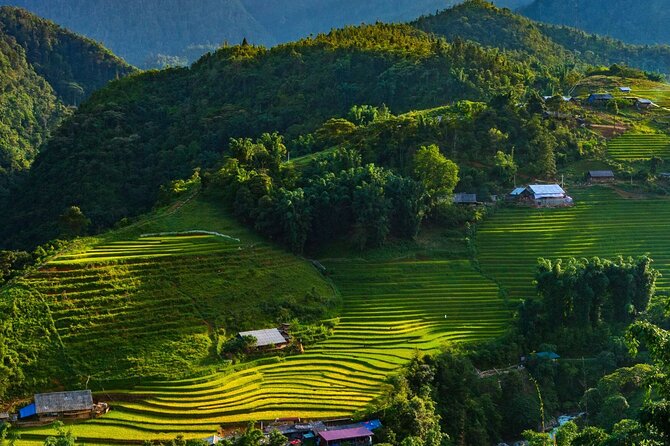
The scenery is the main reward. You get broad views of the Hoang Lien Son mountains, layered rice fields, streams, and village paths. The terraces are particularly striking when they hold water or change color through the growing season. You are not simply stopping at a viewpoint, taking a photo, and moving on. The route gives you time to see how the villages connect with the surrounding fields.
The walk also offers contact with several cultural groups, but keep your approach respectful. The villages are living communities, not open-air displays. Ask before taking close-up photos, listen to your guide, and remember that traditional weaving, carved silver, and hand-forged farm tools are working crafts, not just souvenirs.
You reach Ta Van in the late afternoon and check into the homestay or bungalow at about 17:45. This is a good point to reset after the walk. The accommodation is described as basic and simple, not hotel-standard. Expect the value of a local setting rather than polished facilities.
Dinner is included and is one of the more useful parts of the package. Food is served at the accommodation, so you do not need to search for a restaurant after a tiring walk. Meal preferences should be given when booking. Drinks are extra, so carry Vietnamese dong for water and other personal purchases.
Sleeping in a homestay or bungalow
The overnight stay is central to the experience, but you should set your expectations correctly. A bungalow here is not the same as a hotel room. Facilities are basic, and the purpose is convenience and atmosphere after the trek rather than privacy and comfort at an upscale property.
For some people, this is exactly the right balance. You finish the walk near the villages instead of returning to Sapa Town, and you start the next morning close to the second route. For others, the simple setup may feel too rough, particularly if you expect private hotel facilities.
Solo visitors can request a single room for an additional $15. The standard price covers overnight accommodation, but the precise room arrangement is best confirmed before departure if this matters to you.
A cooking class may be arranged at 7:00 on the second morning. It is optional, costs $7 to $10 per person, and may include Vietnamese dishes such as pho and nem cuon. Since the morning trek starts at 8:00, the class adds an early activity rather than replacing the day’s walk.
More two-day trips around Hanoi:
- From Hanoi: 2-Day Sapa Limo Bus Tour & Fansipan Peak Visit
★ 4.6 · 277 reviews - From Hanoi: 2D1N Ha Long Bay Deluxe Cruise with Bus Limousine
★ 5.0 · 185 reviews - Sapa trekking 2days by bus from Hanoi ( over night in homestay)
★ 5.0 · 21 reviews - Sapa 2D1N All Included (Bus & Homestay)
★ 4.5 · 8 reviews
Day two: bamboo forest and Giang Ta Chai
Breakfast is prepared by the family, with the walking section starting at about 8:00. The route covers around 4 kilometers and lasts roughly two hours, making it shorter than day one but still active.
You walk through rice paddies and stop for views of the surrounding countryside before entering a bamboo forest. The route then reaches a panorama point overlooking Giang Ta Chai, a village associated with the Red Dao community. This is a different setting from Ta Van, and the contrast helps make the second day worthwhile rather than simply repeating the first.
The walk finishes by crossing the Giang Ta Chai Bridge toward the main road at around 11:00. From there, you return to the bungalow to shower and prepare for lunch. That shower stop matters. After two days of walking, having time to clean up before the bus is far more practical than heading straight to the station.
Lunch is included, and pickup for the return bus is scheduled around 13:30. The return to Hanoi is by bus, but no arrival time is provided. Allow for a long afternoon and evening on the road, especially during holidays or busy periods.
Is $88.47 a fair price?
At $88.47 per person, the package offers solid convenience for a two-day trip. It includes round-trip Hanoi to Sapa transport, an English-speaking guide, two lunches, dinner, breakfast, and one night in a homestay or bungalow. Arranging all of those parts separately can take time, especially if you do not speak Vietnamese.
The value is strongest if you want a ready-made plan. You do not need to find your own connection to Sapa, negotiate a village transfer, or organize a local guide once you arrive. The small-group cap of 15 also gives the walk more structure than a large coach excursion.
The price is less compelling if you are comfortable booking directly in Sapa. A booking made through an intermediary may cost more than buying locally. One past booking also found a difference of roughly $30 to $50 per person compared with arranging the same type of trip through a hotel shortly before departure. Prices can change, but this is a reason to compare before committing.
The package also leaves several costs to you:
- Drinks with meals
- Tips and personal spending
- Optional cooking class, $7 to $10
- Single room supplement, $15
- Possible national holiday supplement of $20
- Transfer from the Hanoi bus stop back to your hotel
The holiday supplement is paid in cash to the guide if it applies. Ask about it before departure rather than treating the advertised price as final in every season.
Guides and the group experience

The guide is one of the most important parts of this trip. Your guide meets you in Sapa, leads the village routes, helps manage the timing, and acts as the bridge between the group and the homestay. The guide’s name is not fixed in the tour details.
A guide named Khoi handled one delayed holiday departure with a calm, flexible approach and adjusted the schedule without losing the main activities. That sort of practical leadership matters more here than a long speech at each stop. The trip involves transport changes, weather, walking pace, meals, and a return bus, so organization counts.
The maximum group size is 15. That is small enough for a more manageable walking group, though it is not a private tour. Different fitness levels can affect the pace, and you should tell the guide early if you have food needs or concerns about the route.
The experience provider is GADT Travel, though one multi-city booking was arranged through GoAsiaDayTrip after being purchased through another platform. This suggests that local operating arrangements can vary. Confirm who will meet you, where pickup happens, and which company name appears on your final instructions.
What to pack for Sapa’s changeable weather
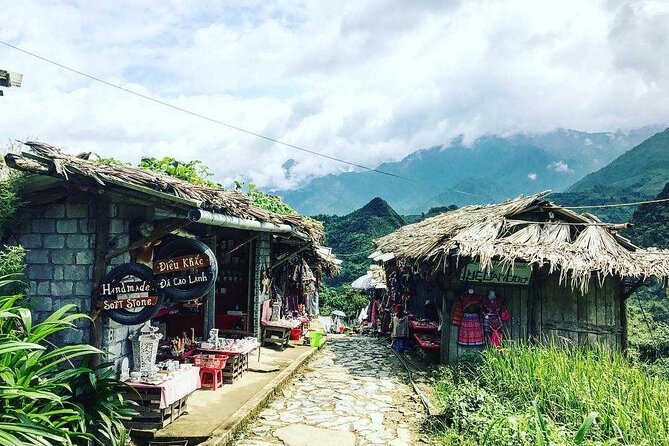
Sapa weather can shift quickly, and conditions are generally cold from September through March. Pack for wet and cool conditions even if Hanoi feels warm when you leave.
Bring:
- Trekking shoes with a good grip
- Warm layers
- A scarf and hat or cap
- Sunglasses and sun cream
- Insect repellent
- Cash in Vietnamese dong
- A small bag for essentials during the walks
Do not overpack for the trek. You need practical clothing, not a large suitcase on the village paths. Keep rain protection and warm layers easy to reach, since the weather can change during the walking sections.
The route requires moderate physical fitness. Children, older people, and anyone with low physical health are not permitted on this tour because of the long first-day trek and the added danger in rain. If you are unsure about a 9-kilometer walk over uneven ground, this is not the place to test your limits.
Who should book this trip?
I would choose this tour if you have only two days, want transport from Hanoi included, and prefer a planned village trek over independent arrangements. It suits active visitors who want rice terraces, local communities, a simple overnight stay, and a clear route through Ta Van and Giang Ta Chai.
It is also a good fit if you like having meals and accommodation settled in advance. The guide and small group reduce the work involved in navigating the mountain routes, while the included bus makes the trip easy to add to a Hanoi itinerary.
I would look elsewhere if you want a private room, hotel-level facilities, flexible walking times, or a leisurely schedule. Independent visitors may save money by arranging a local trek in Sapa, though they will need to organize the bus, guide, lodging, and meals themselves.
The cancellation terms are straightforward: cancel at least 24 hours before the start for a full refund. Changes made within 24 hours are not accepted, and poor weather may lead to a new date or a full refund. Those rules are useful, since rain can affect both safety and enjoyment on the trails.
Should you book it?
Book this Sapa trek if you value convenience and want to see Ta Van and Giang Ta Chai without arranging each part yourself. The strongest features are the village routes, included transport, local overnight setting, and manageable group size.
Before paying, confirm the pickup details, holiday surcharge, room arrangement, and final Hanoi drop-off point. Also compare the price with a local hotel or Sapa-based operator. If the cost remains close to $88.47 and you are fit enough for the 9-kilometer first day, this is a practical way to experience Sapa’s countryside in a short window.
FAQ
How long is the Sapa trekking tour?
The experience lasts about two days and one night. The first walking section is around 9 kilometers and takes about 3.5 hours. The second walking section is around 4 kilometers and takes about two hours.
Where does pickup take place in Hanoi?
Pickup is offered from hotels in Hanoi’s Old Quarter. If your hotel is outside that area, you must go to the meeting point provided after confirmation. The listed meeting point is 30 P. Ly Thai To, Ly Thai To, Hoan Kiem, Hanoi.
Is transport from Hanoi to Sapa included?
Yes. The package includes round-trip travel between Hanoi and Sapa on a modern air-conditioned bus. The return trip ends at a Hanoi bus stop, and you arrange your own transfer back to your hotel.
What meals are included?
Breakfast, dinner, and two lunches are included. Drinks are not included. You should provide any food requests when booking.
Is the cooking class included?
No. The cooking class is optional, available upon request, and costs $7 to $10 per person. It may include Vietnamese dishes such as pho and nem cuon.
What type of accommodation is provided?
You stay overnight in a homestay or bungalow. The facilities are basic and simple, and the bungalow is not comparable to a hotel. A single room for a solo visitor costs an additional $15.
Do I need to be physically fit for this tour?
Yes. You need a moderate level of fitness for the long first-day walk and the uneven village routes. Children, older people, and anyone with low physical health are not permitted because the trek can be dangerous in rainy conditions.
Recently added around Hanoi
- 2-Day Trekking in Sa Pa from Ha Noi by sleeping bus★ 5.0 · 4 reviews
- Vietnam Day Trips All-Inclusive, Bus, Guide, Meals & Activities★ 4.5 · 8 reviews
- Sleeping bus Ninh Binh to Hue★ 4.0 · 5 reviews
- From Hanoi: 2D1N Ha Long Bay Deluxe Cruise with Bus Limousine★ 5.0 · 185 reviews
- Sapa trekking 2days by bus from Hanoi ( over night in homestay)★ 5.0 · 21 reviews
- Sapa Trekking Tour 2 Days 1 Night By Bus★ 5.0 · 86 reviews
- Sapa Trekking 3 Days 2 Nights by Bus – Homestay & Hotel★ 3.5 · 2 reviews
- Sapa 3-day Discovery Package Tour By Bus with 1 Night Homestay 1 Night Hotel★ 3.5 · 3 reviews
Hiking & Trekking, compared.

2-Day Trekking Adventure of Sapa from Hanoi with Night Bus
Read our review →
From Queenstown: Mount Cook Heli-Hike and Bus Tour Combo
Read our review →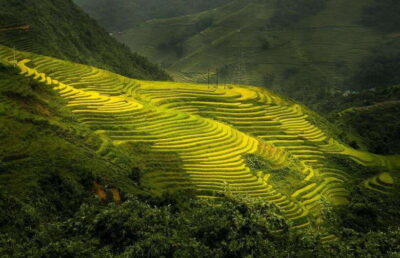

Sapa trekking 2days by bus from Hanoi ( over night in homestay)
Read our review →
Sapa – Bac Ha Trek Tour – Night Train & Bus & Homestay overnight
Read our review →Browse the lists this tour appears in