
Review · HANOI BUS TOURS
2-Day Trekking in Sa Pa from Ha Noi by sleeping bus
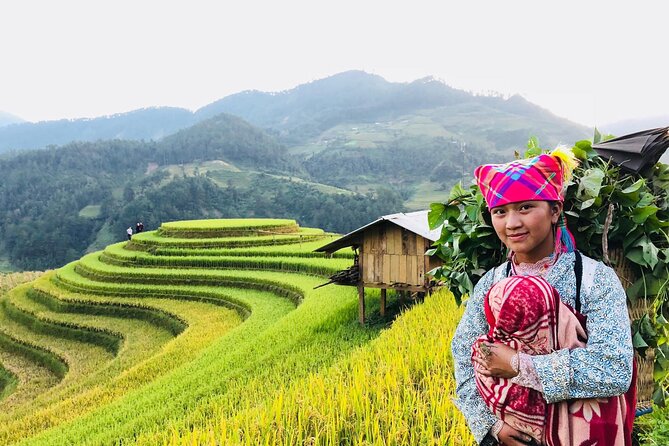
The best part of this trip is that the walking links the villages together. You are not simply driven to a viewpoint, photographed, and sent on. From Sapa, you follow trails through the Muong Hoa Valley, rice terraces, bamboo, and village paths, with local H’mong guides leading the way. I like the overnight stay in Ta Van and the small group limit of 10 people. The homestay gives you a meal and conversation with a local family, while the group size leaves room for questions and a steadier pace.
I also like the practical transport plan: a sleeping bus from Hanoi, then a car or motorbike back to Sapa after the trek. The main caution is the walking. Expect about 15 kilometers in total on some departures, with roughly five hours of trekking on the first day. Mud and slippery trails are possible after rain, so this is not a gentle sightseeing stroll.
Key things to know before booking
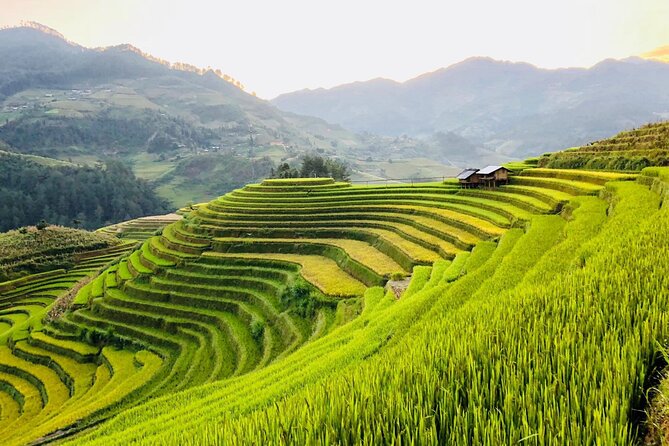
- Ta Van homestay: Spend the night with a family in a Giay minority village, sharing dinner and cultural stories.
- Several ethnic communities: The route reaches H’mong, Giay, and Red Dao villages, each with its own setting and traditions.
- Around 15 kilometers of walking: Breaks and lunch are included, but you need moderate physical fitness.
- Maximum of 10 people: A small group makes it easier to hear the guide and adjust the pace.
- Two overnight bus legs: Travel from Hanoi to Sapa by sleeping bus, then return to Hanoi late at night.
- Strong guide support: Guides such as Sisi and Dzi have been praised for patience, local knowledge, and friendly help on the trail.
Why this Sapa trek feels different from a town visit
Sapa town is easy to reach, but it is only the starting point. The real pleasure here comes after you leave the streets and begin walking into the Muong Hoa Valley. The route passes through places where daily life is tied closely to rice fields, rivers, forest paths, and stilt houses.
I like the fact that the trek has a clear purpose. You are not walking only for exercise or scenery. Each stop adds something: Y Linh Ho brings quiet valley views, Lao Chai shows a larger H’mong village setting, Ta Van provides the overnight home, and Giang Ta Chai introduces Red Dao culture.
This is also a useful choice if you want local contact without arranging every detail yourself. Transport, a guide, some meals, village access, and the homestay are built into the plan. You still need to manage your own clothing, insurance, tips, and personal spending, but the basic framework is handled.
The tradeoff is time. The whole outing is listed as about 23 hours to one day, yet it contains two bus journeys, a full trekking day, and an overnight homestay. It is efficient, but not leisurely. You will spend much of the experience either walking or in transit.
More Bus Day Trips in Hanoi
- Ninh Binh Day Trip: Bai Dinh-Trang An-Mua Cave, Buffet, Boat, Bus
★ 5.0 · 1,183 reviews - From Hanoi: 2-Day Sapa Limo Bus Tour & Fansipan Peak Visit
★ 4.6 · 277 reviews - 2-Day Trekking Adventure of Sapa from Hanoi with Night Bus
★ 5.0 · 134 reviews
The sleeping bus from Hanoi to Sapa
The trip begins at 7:00 am from Saigonese Trekking House at 02 Nguyen Chi Thanh in Sapa, although the overall plan includes the sleeping bus from Hanoi to Sapa. The wording of the schedule means you should confirm the exact Hanoi pickup details when booking. The important point is that your transport is arranged as a round trip, with the first bus carrying you toward Sapa and the return bus leaving Sapa in the evening.
A sleeping bus makes sense for this route because Hanoi and Sapa are separated by a long road journey. It saves the cost and planning involved in arranging separate transport. It also means you should think carefully about how well you handle bus travel before adding a demanding trek.
Once you arrive in Sapa, the local guide meets you at the bus station. From there, you begin walking toward the first village. That direct start is useful. You do not spend the morning waiting around in town or arranging a second excursion.
Y Linh Ho and Lao Chai: the first valley walk
Y Linh Ho is in the Muong Hoa Valley, a peaceful area known for its mountain scenery and rice terraces. The stop is listed as about one hour, but the full first-day route takes roughly five hours including lunch and walking between villages.
This section helps you settle into the pace. The path moves away from the town environment and into quieter surroundings. You can expect a mix of valley views, village paths, and uneven ground rather than a paved urban walk.
Lao Chai comes next, about 7 kilometers southeast of Sapa town. It is associated with the Black H’mong community and has a dramatic position in the valley. The appeal is not a single monument. It is the combination of village life, terraced fields, mountain slopes, and the feeling of being far from Sapa’s main streets.
The route can be hard. One account describes five hours of walking, including lunch, and another records about 15 kilometers over the full trek. Those figures give you a better idea of the physical demand than the word trekking alone. Wear shoes with a firm grip, keep your hands free, and bring a light layer that can handle changing mountain weather.
Local H’mong women may offer help on difficult sections, especially when the trail is slippery. It is worth remembering that this assistance can be part of the local selling culture, so decide in advance how you want to respond. The guide remains your main source of route support.
Ta Van village and the family homestay
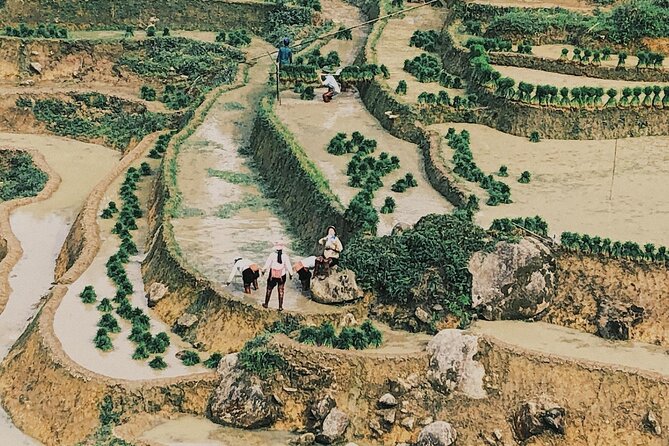
Ta Van is the heart of the overnight part of the trip. This Giay minority village sits by the river and is known for stilt houses and family-run accommodation. Instead of returning to a hotel in Sapa, you spend the night in the village and share dinner with your hosts.
That change matters. A hotel gives you privacy and predictable comfort. A homestay gives you a closer look at the rhythm of village life, although you should expect a simpler setting. The point is the shared meal, the stories, and the chance to ask questions about traditions and daily work.
The homestay also breaks up the route in a sensible way. You complete the first major walking section, eat dinner, and rest before the second day’s bamboo forest and village route. Breakfast is included, as is lunch, though the supplied details do not specify every meal beyond those inclusions.
You should pack with the homestay in mind. Keep your overnight items light, since you will carry them during the trek. The tour includes bottled water, but you may still want to check how much you need for the walking sections. Insurance and tips are not included.
More Bus Day Trips in Vietnam
- From Hanoi: 2-Day Sapa-Fansipan Peak & Trek & Ha Giang Bus
★ 4.8 · 52 reviews - From Hanoi: 1-day Sapa Trekking Tour With Overnight Bus
★ 4.2 · 32 reviews - Vietnam Day Trips All-Inclusive, Bus, Guide, Meals & Activities
★ 4.5 · 8 reviews - Hanoi to Fansipan Peak 2-Day Bus Tour plus Lodging, Meals, and Pickup
★ 3.5 · 2 reviews
Bamboo forest and Giang Ta Chai

After breakfast, the route continues toward the bamboo forest. This is a cooler, more shaded part of the trek, with tall bamboo along the path. The trail connects Giang Ta Chai and Su Pan, giving the second day a different feel from the open valley views around Y Linh Ho and Lao Chai.
The bamboo section lasts about an hour. It is scenic, but it can also make footing less obvious, particularly after wet weather. The trip requires good weather, and poor conditions may lead to a rescheduled departure or a full refund. Even with fair weather, Sapa’s trails can change quickly, so sensible shoes matter more than stylish ones.
Giang Ta Chai is home to the Red Dao people. The village lies farther into the valley and is surrounded by bamboo, waterfalls, and forest. It is a good place to learn about Red Dao customs and traditional herbal medicine, subjects that give the walk more meaning than scenery alone.
A local guide adds real value here. The route is one thing, but knowing which community you are entering and how local traditions fit into daily life makes the stop more respectful and useful. Sisi has been singled out for explaining the area and its different tribes, while Dzi has been praised for making the walk enjoyable and supporting a strong day on the trail. Guide assignments can vary, so treat those names as examples rather than a guaranteed lineup.
Su Pan and the return to Sapa

Su Pan is a quieter village with broad views over the terraced fields and mountains. It is planned as a resting point before the return to Sapa, and that timing is welcome after the longer walking sections.
The stop is also useful for photographs, but I would not treat it as only a photo break. It gives you a final chance to look back at the route and see how the villages fit into the valley. The scenery is one of the strongest reasons to choose this trip, yet the views work best because you reached them on foot.
After Su Pan, you return to Sapa by motorbike or car. This is a practical touch. By this stage, your legs may be tired, and avoiding another long walk into town keeps the schedule manageable. The evening bus then departs for Hanoi, arriving late at night.
That return timing is the main reason I would not add a demanding activity immediately afterward. You may be ready for sleep rather than a night out in Hanoi. The tour packs a lot into a short period.
What the $89 price really covers

At $89 per person, the price is reasonable if you value convenience and cultural contact. You are paying for the Hanoi to Sapa transport arrangement, the return journey, guiding, village access, a family homestay, bottled water, lunch, and breakfast. The small group limit of 10 also gives the package more value than a large coach excursion.
The price is less attractive if you already have transport to Sapa, a place to stay, and a guide arranged independently. In that case, some of the package benefits overlap with plans you have already made.
The strongest value comes from combining several services in one short trip. You do not need to work out how to reach the trailhead, how to move between villages, or how to return to Sapa after Su Pan. You also receive local interpretation rather than simply following a marked path.
Remember the extra costs. Insurance and tips are excluded, and the details do not state that dinner is included, so ask before departure if you need a precise meal plan. Group discounts are available, which may improve the price for people booking together.
Who should book this trek

I would choose this trip if you want to see more than Sapa town and are comfortable walking for several hours on uneven trails. It suits people who enjoy mountain scenery, village life, and a simple overnight stay more than those seeking a polished hotel break.
It is also a good match if you want a local guide but prefer not to organize transport and village connections yourself. The group size is small enough for questions, and guides such as Sisi and Dzi have shown the patience needed when the trail gets tough.
I would think twice if you dislike overnight buses, need a private room, or have limited walking ability. The tour asks for moderate fitness, and the distance can reach about 15 kilometers. Rain can make the trail slippery, so poor weather may affect both comfort and the schedule.
Bring sturdy footwear, a small bag, suitable clothing, and enough personal items for one night. Keep your schedule after the tour open. The late return to Hanoi may leave you tired.
Cancellation and practical booking points
You receive confirmation when you book, and the activity is near public transportation. The stated meeting and ending point in Sapa is Saigonese Trekking House, 02 Nguyen Chi Thanh, where the car or van drops you after the trek.
You can cancel for a full refund up to 24 hours before the local start time. Cancellations or changes within 24 hours are not accepted for a refund. The operator may also cancel for poor weather or because too few people book, offering another date, another experience, or a full refund.
Because the schedule information combines Hanoi bus travel with a 7:00 am Sapa meeting point, confirm the exact departure instructions before you leave Hanoi. That small check can prevent a major morning headache.
Should you book this Sapa trek?
Book it if you want a compact, active route through several communities, with the most memorable feature being the Ta Van family homestay. The combination of valley walking, bamboo forest, local guiding, and arranged transport gives you a lot for $89.
Skip it if your priority is comfort, a slow pace, or a private mountain holiday. This is a demanding short trip, not a soft introduction to Sapa. For fit hikers who want direct contact with the villages and do not mind a sleeping bus, it is a practical way to see far more than the town center.
FAQ
How long does the Sapa trekking experience last?
The total duration is listed as approximately 23 hours to one day. It includes the bus journey from Hanoi to Sapa, the trek and overnight homestay, the return to Sapa, and the evening bus back to Hanoi.
Where does the tour start and finish?
The stated meeting and ending point is Saigonese Trekking House at 02 Nguyen Chi Thanh, Sa Pa, Lao Cai, Vietnam. After trekking, the car or van drops you back at the office in Sapa.
How much walking is involved?
The first day includes about five hours of walking, including lunch. One departure covered approximately 15 kilometers in total, so you should have moderate physical fitness.
Which villages does the route visit?
The route includes Y Linh Ho, Lao Chai, Ta Van, Giang Ta Chai, and Su Pan. You also pass through a bamboo forest between Giang Ta Chai and Su Pan.
Where do I sleep?
You spend the night in a family-run homestay in Ta Van village, a Giay minority village known for stilt houses and its riverside setting.
What meals are included?
Lunch, breakfast, and bottled water are included. Dinner is not specifically listed among the included items, so confirm the dinner arrangement before departure.
What happens if the weather is poor?
The experience requires good weather. If the operator cancels because of poor conditions, you can choose another date or receive a full refund.
More two-day trips around Hanoi
- From Hanoi: 2D1N Ha Long Bay Deluxe Cruise with Bus Limousine
★ 5.0 · 185 reviews - Sapa 2D1N All Included (Bus & Homestay)
★ 4.5 · 8 reviews - From Hanoi: Sapa 2D1N Homestay overnight by Morning bus
★ 4.8 · 8 reviews - 1 Day – 1/2 Day Hanoi City – Luxury Bus, Lunch, Train Street
★ 4.9 · 8 reviews
More walks and climbs around Hanoi
- Sapa Trekking Tour 2 Days 1 Night By Bus
★ 5.0 · 86 reviews - Sapa trekking 2days by bus from Hanoi ( over night in homestay)
★ 5.0 · 21 reviews - Sapa – Bac Ha Trek Tour – Night Train & Bus & Homestay overnight
★ 5.0 · 6 reviews - Sapa 2D1N Trekking to Giang Ta Chai Village from Hanoi by Bus
★ 3.5 · 4 reviews
Recently added around Hanoi
- Vietnam Day Trips All-Inclusive, Bus, Guide, Meals & Activities★ 4.5 · 8 reviews
- Sleeping bus Ninh Binh to Hue★ 4.0 · 5 reviews
- From Hanoi: 2D1N Ha Long Bay Deluxe Cruise with Bus Limousine★ 5.0 · 185 reviews
- Sapa trekking 2days by bus from Hanoi ( over night in homestay)★ 5.0 · 21 reviews
- Sapa Trekking Tour 2 Days 1 Night By Bus★ 5.0 · 86 reviews
- Sapa 2D1N Trekking to Giang Ta Chai Village from Hanoi by Bus★ 3.5 · 4 reviews
- Sapa Trekking 3 Days 2 Nights by Bus – Homestay & Hotel★ 3.5 · 2 reviews
- Sapa 3-day Discovery Package Tour By Bus with 1 Night Homestay 1 Night Hotel★ 3.5 · 3 reviews
Bus Day Trips, compared.

Mt Fuji and Hakone 1-Day Bus Tour Return by Bullet Train
Read our review →



Day Trip to Grindelwald, Interlaken & Lauterbrunnen
Read our review →
Munich Hop-On Hop-Off Tour: 1-Day or 2-Day Ticket
Read our review →
From NYC: Guided Day Trip to Washington DC by Van or Bus
Read our review →Browse the lists this tour appears in