

Review · HANOI BUS TOURS
Sapa trekking 2days by bus from Hanoi ( over night in homestay)
Sapa’s best moments come on foot, not from the town center. This two-day trip takes you from Hanoi to Lao Chai, Ta Van, and Giang Ta Chai, where rice terraces, bamboo forest, village paths, and mountain air replace the traffic and noise of the capital.
I like the small maximum group of 15 and the practical all-in package, which covers transport, meals, a guide, and a homestay. I also like the guides, especially Zu, Khu Ly, and Nhu, who are praised for clear English and warm explanations of local culture. The main drawback is that this is a demanding walking trip, and some paths can be muddy. It is village trekking, not a mountain summit hike.
Key points to know before booking
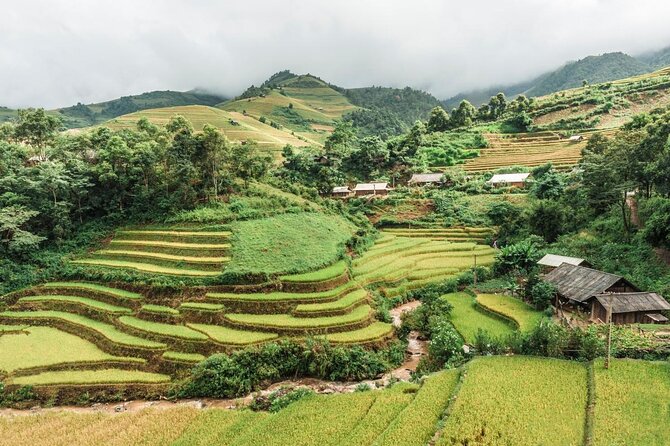
- A full day of walking: The route includes several hours on foot through rice fields, villages, bamboo forest, and river paths.
- Three distinct villages: Lao Chai introduces Black H’mong culture, Ta Van is the overnight base, and Giang Ta Chai brings bamboo paths and a suspension bridge.
- One night in a homestay: You sleep in Ta Van rather than returning to Sapa town after the first walk.
- A long Hanoi connection: The coach leaves around 7:00 am and returns near 10:00 pm the next day.
- Strong local guides: Zu receives especially warm praise, while Khu Ly and Nhu are also named as helpful English-speaking guides.
- Good package value: The $79 price includes round-trip coach travel, two lunches, breakfast, dinner, accommodation, bottled water, and tour fees.
Why this Sapa trip works in two days
This is a compact way to reach northern Vietnam’s highlands from Hanoi. You do not need to arrange a separate bus, village guide, homestay, or meals. The tradeoff is time: you spend much of the first and last day on the road, leaving one afternoon and one morning for trekking.
I see the tour as a bridge between a standard Sapa sightseeing trip and a more independent trek. You get a guide and a fixed plan, but the main experience remains simple: walking from one village to another, stopping to look at rice terraces, and sleeping in a local homestay.
The route is also useful if you want cultural contact without committing to a longer three-day excursion. The village stops focus on ethnic minority communities, traditional crafts, homes, and daily life. The material provided refers to weaving, carved silver, and hand-forged agricultural tools, so you should expect cultural explanation alongside the walking.
The group limit of 15 matters here. A large trekking group can clog narrow paths and make conversation with a guide difficult. This smaller format should feel easier to manage, though the actual group size may be anywhere up to that limit.
More walks and climbs around Hanoi:
- 2-Day Trekking Adventure of Sapa from Hanoi with Night Bus
★ 5.0 · 134 reviews - Sapa Trekking Tour 2 Days 1 Night By Bus
★ 5.0 · 86 reviews - From Hanoi: 2-Day Sapa-Fansipan Peak & Trek & Ha Giang Bus
★ 4.8 · 52 reviews
Leaving Hanoi at 6:30 am

Pickup is offered in Hanoi’s Old Quarter, with the listed meeting point at 54 P. Hàng Tre in Hoàn Kiếm. The planned pickup window is 6:30 to 7:00 am, so you need to be ready early and stay alert for the exact meeting instructions.
The coach is air-conditioned, and the trip includes one or two short breaks. These stops are simple but welcome. You can use the restroom, stretch your legs, and get through the long road journey without being confined to your seat the entire time.
The journey to Sapa takes roughly five and a half to six hours, including stops. That is the price of reaching the mountains from Hanoi in a two-day program. I would not choose this schedule if you dislike long coach rides, but it is efficient for a short visit.
Bring water, a light layer, and something to occupy you on the road. Bottled water is included, but drinks beyond that are not.
Sapa town and the first walk to Lao Chai
The coach is due to reach Sapa around 12:30 to 1:00 pm. You eat lunch at a hotel in Sapa before the afternoon walk begins at about 2:00 pm.
This pause gives you time to eat and prepare, but it is not a long rest. You will have already spent the morning on the coach, then face an afternoon of walking. Wear your trekking shoes before lunch, not afterward, and keep anything you need for the walk within easy reach.
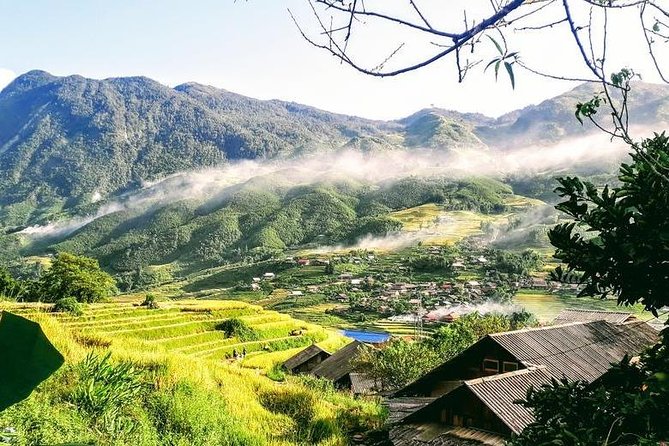
From Sapa, the route heads toward Lao Chai. The village is about 6 kilometers from Sapa town and marks the beginning of the Muong Hoa Valley. Lao Chai is associated with the Black H’mong people, and the guide’s explanation is an important part of the stop.
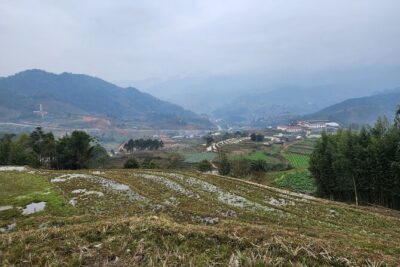
The first walk is scheduled for about two hours, followed by roughly an hour in Lao Chai. Expect views of mountain slopes and terraced rice fields, plus a closer look at village life. The appeal is not a single monument. It is the change in setting as the road gives way to footpaths and cultivated hillsides.
Here is one point to keep clear: this is not described as a steep climb to a mountain summit. The route follows village trails, rice fields, and forested paths. One person found the walk more like a muddy rice-field trek than the mountain hike they had expected. If you want a hard uphill challenge, this may feel modest. If you want scenery and local villages, it is a better match.
Overnight in Ta Van village
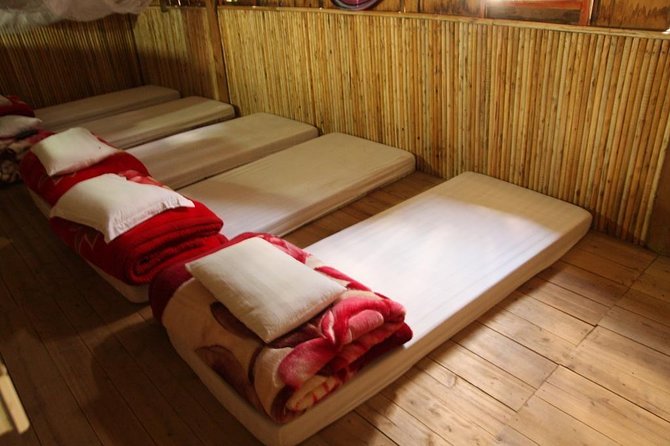
Ta Van is the first night’s destination, and you are scheduled to spend about 17 hours there. That long block includes dinner, sleep, breakfast, and the next morning’s start.
The village is presented as a place where local homes, customs, and rural life are central to the experience. The homestay is not just a bed inserted into a bus itinerary. It gives you an evening in the village, when you are no longer rushing back to Sapa town.
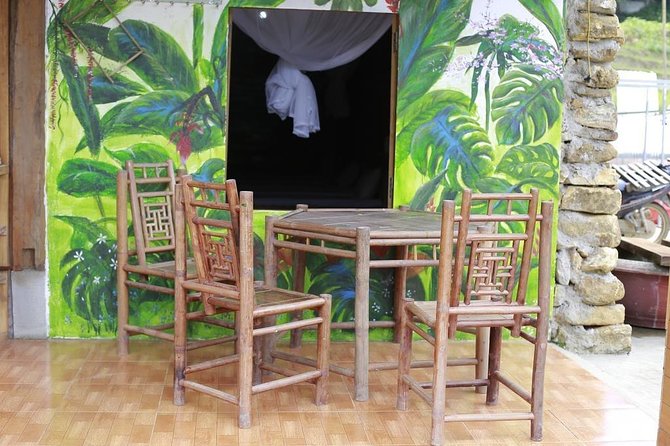
The accommodation standard can vary, but the available information describes the homestay as lovely, with some reports of clean rooms and bathrooms and good food. Those details are encouraging, but I would still approach a village homestay with flexible expectations. This is a cultural stay, not a resort night.
Dinner is included, as is breakfast the following morning. Food is repeatedly praised as tasty and safe, and the package lists two lunches as well. Drinks are not included, so budget separately for anything beyond the supplied meals and bottled water.
The guide can add real value here. Zu is repeatedly singled out for friendly, clear explanations of village life and local customs. Khu Ly and Nhu are also named as energetic, helpful guides with good English. Your guide is assigned rather than chosen, so do not book solely on the assumption that one particular person will lead your group. Still, the repeated praise for the guiding team is one of the strongest reasons to consider this trip.
More two-day trips around Hanoi:
- From Hanoi: 2-Day Sapa Limo Bus Tour & Fansipan Peak Visit
★ 4.6 · 277 reviews - From Hanoi: 2D1N Ha Long Bay Deluxe Cruise with Bus Limousine
★ 5.0 · 185 reviews - Sapa 2D1N All Included (Bus & Homestay)
★ 4.5 · 8 reviews - From Hanoi: Sapa 2D1N Homestay overnight by Morning bus
★ 4.8 · 8 reviews
Morning paths through bamboo forest and rice fields
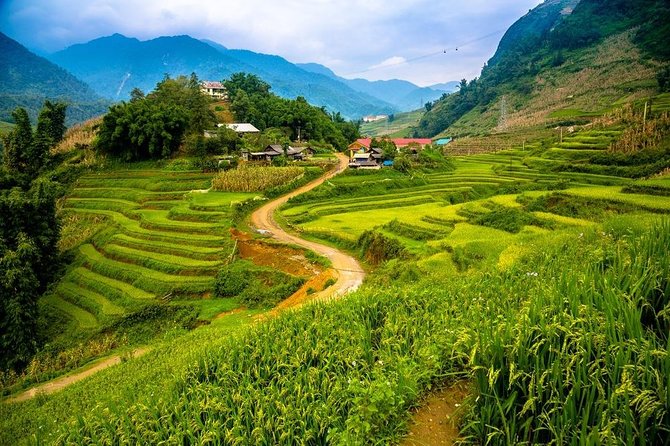
Breakfast is planned for 7:00 am, with the next trek starting between 8:30 and 9:00. This is a fairly early start, but it makes sense. You get cooler walking conditions and more time on the route before returning to Sapa for lunch.
The morning walk continues through the Ta Van area and toward Giang Ta Chai. The route is listed at about two hours before the Giang Ta Chai section, which is scheduled for four hours. That makes the second day a serious walking day, even though the overall distance is not provided.
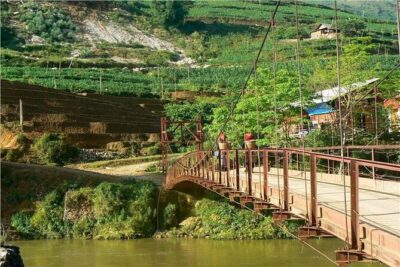
Giang Ta Chai brings a different feel from Lao Chai. You walk through bamboo forest and rice fields, then cross a suspension bridge to the other side of the river. These details give the route variety. You are not simply repeating one village road for several hours.
The paths may be muddy, especially in wet conditions. Good footwear with firm grip is important, and sandals are a poor choice for the longer sections. You should also be comfortable walking for several hours over uneven ground. The tour specifically calls for strong physical fitness, so take that warning seriously.
The weather matters to both comfort and safety. If poor weather forces cancellation, you are offered another date or a full refund. Even when the tour runs, rain can change the feel of the route, making fields and village tracks slower to cross.
Returning to Sapa, then Hanoi overnight by coach
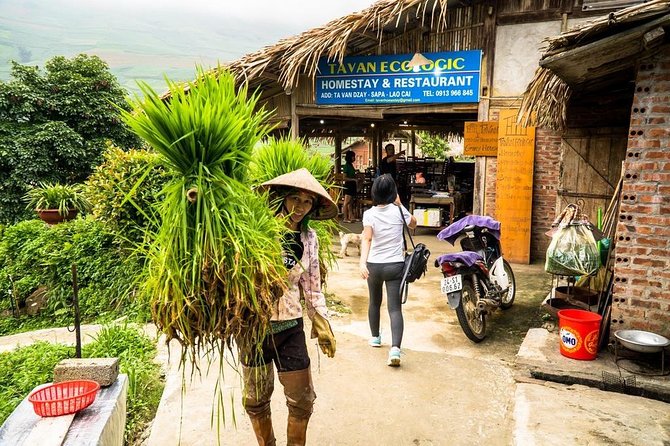
After the Giang Ta Chai walk, you return to Sapa town for lunch at about 1:00 pm. The coach back to Hanoi is scheduled for 3:00 pm, giving you a little time to eat and recover.
The return trip lasts roughly seven hours, with arrival in Hanoi around 10:00 pm. The activity ends back at the meeting point. This is a late finish, so plan your next morning with care. You may be ready for a quiet evening after two days of early starts, walking, and coach travel.
This schedule is the biggest practical compromise in the tour. You gain a village homestay and guided trekking for $79, but you do not get much free time in Sapa town. If your priority is cafés, shopping, or a relaxed visit to Sapa itself, choose a longer stay. If your priority is seeing the surrounding villages on a tight budget, the schedule is reasonable.
What the $79 price really covers
At $79 per person, the package offers solid value for a short trip. Included are:
- Round-trip air-conditioned coach travel from Hanoi
- Pickup within the Old Quarter
- One night in a Ta Van homestay
- Breakfast and dinner
- Two lunches
- Bottled water
- An English-speaking local guide
- Tour fees and handling charges
You do not need to arrange the main transport, meals, or accommodation separately. That saves both money and planning time, especially if you are new to Vietnam.
The price does not cover drinks, anything not listed, or transportation during the trekking sections. The last point is worth noting. The itinerary is designed around walking, so you should not expect a separate vehicle to carry you between every village or shorten the route when you feel tired.
The value is strongest for a solo visitor or couple who wants a structured Sapa introduction. A private arrangement could offer more flexibility, but it would likely cost more. A self-guided trip might be cheaper in some cases, but you would need to handle the bus, village route, homestay, meals, and local interpretation yourself.
Guide quality and the cultural side of the walk
The guides are central to this experience. Zu is the name most often praised, with specific appreciation for her English, patience, humor, and explanations of Sapa’s villages and culture. Khu Ly is also described as attentive and eager to help, while Nhu is praised for energy and clear explanations.
That matters because the route is more than a pretty walk. Without context, rice terraces are simply attractive scenery. A local guide can explain how villages are organized, point out homes, describe customs, and connect traditional crafts with daily work.
You should still keep cultural expectations sensible. Walking through villages is not the same as receiving a formal museum tour. Some local sellers may approach you repeatedly, and one person found the pressure to buy things tiring. Be polite but firm if you do not want to purchase anything.
The best approach is to treat the village visit as a chance to listen and observe, not as a shopping trip. Ask before taking close photographs of people or homes, and let your guide handle questions about customs.
Who should book this trek
I would recommend this trip to you if you:
- Have only two days for Sapa
- Want a guided village trek rather than independent planning
- Are comfortable walking for several hours
- Like the idea of staying in a rural homestay
- Want transport and meals bundled into one price
- Prefer a small group to a large coach excursion
I would be more cautious if you want a steep mountain hike, a slow schedule, or a private room with hotel-style comfort. The route includes mud, rice fields, bamboo forest, and village paths. It is active, but it is not presented as a summit trek.
It may also be less suitable if you need a lot of free time. The first day begins early in Hanoi, and the second day ends late back in the capital. You should be ready for a packed schedule.
Booking details and practical timing
Confirmation is provided at booking, and the activity is near public transportation. Pickup is limited to the Old Quarter, so you should check your hotel location before assuming door-to-door service.
Free cancellation is available up to 24 hours before the start time for a full refund. Changes or cancellations inside that window are not accepted for a refund. Since the trip depends on good weather, a weather cancellation brings the choice of another date or a full refund.
The published rating is 4.9 from 21 reviews, with 95 percent recommending the experience. The strongest pattern is clear: guides, scenery, food, transport organization, and the homestay receive the most praise. The main caution is equally clear: the walking conditions and schedule may not match someone expecting a major mountain climb or a relaxed Sapa holiday.
Should you book this Sapa homestay trek?
Yes, if you want a well-priced first look at Sapa’s villages and can handle a long coach ride plus several hours of walking. The combination of Lao Chai, Ta Van, and Giang Ta Chai gives you rice terraces, bamboo forest, a river crossing, cultural explanations, and a night in a village instead of a quick photo stop.
Book it with the right expectations. You are paying for access, organization, and a local guide, not luxury or a high-altitude expedition. Pack sturdy shoes, accept that paths may be muddy, and leave room for the route to feel rural and unpolished. For a two-day introduction from Hanoi, that is exactly where the value lies.
FAQ
Where does the Sapa trek start in Hanoi?
The listed meeting point is 54 P. Hàng Tre, Lý Thái Tổ, Hoàn Kiếm, Hanoi. Pickup is offered within the Old Quarter.
What time does the tour start?
The start time is 6:30 am. Pickup is scheduled between 6:30 and 7:00 am.
How do I travel from Hanoi to Sapa?
You travel by round-trip, air-conditioned coach. The outward journey includes one or two short breaks.
How long is the tour?
The experience lasts two days and includes one night in a homestay.
Which villages are included?
The route includes Lao Chai, Ta Van, and Giang Ta Chai. Cat Cat Village is not listed in this two-day itinerary.
Where do I stay overnight?
You spend the night in a homestay in Ta Van Village.
What meals are included?
Breakfast, dinner, and two lunches are included. Drinks are not included.
Is a guide included?
Yes. A local English-speaking guide is included. Guides named in the available information include Zu, Khu Ly, and Nhu.
How many people can join the tour?
The group has a maximum of 15 people.
Can I cancel for a refund?
You can cancel at least 24 hours before the start time for a full refund. If poor weather causes the operator to cancel the experience, you are offered another date or a full refund.
Recently added around Hanoi
- 2-Day Trekking in Sa Pa from Ha Noi by sleeping bus★ 5.0 · 4 reviews
- Vietnam Day Trips All-Inclusive, Bus, Guide, Meals & Activities★ 4.5 · 8 reviews
- Sleeping bus Ninh Binh to Hue★ 4.0 · 5 reviews
- From Hanoi: 2D1N Ha Long Bay Deluxe Cruise with Bus Limousine★ 5.0 · 185 reviews
- Sapa Trekking Tour 2 Days 1 Night By Bus★ 5.0 · 86 reviews
- Sapa 2D1N Trekking to Giang Ta Chai Village from Hanoi by Bus★ 3.5 · 4 reviews
- Sapa Trekking 3 Days 2 Nights by Bus – Homestay & Hotel★ 3.5 · 2 reviews
- Sapa 3-day Discovery Package Tour By Bus with 1 Night Homestay 1 Night Hotel★ 3.5 · 3 reviews
Hiking & Trekking, compared.

2-Day Trekking Adventure of Sapa from Hanoi with Night Bus
Read our review →

From Queenstown: Mount Cook Heli-Hike and Bus Tour Combo
Read our review →
Sapa – Bac Ha Trek Tour – Night Train & Bus & Homestay overnight
Read our review →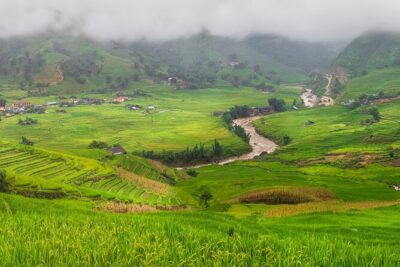
Sapa 2D1N Trekking to Giang Ta Chai Village from Hanoi by Bus
Read our review →Browse the lists this tour appears in