
Review · BERLIN BUS TOURS
Sachsenhausen Concentration Camp Bus Tour in English from Berlin
Sachsenhausen is not a light sightseeing stop. It is a place of punishment, forced labor, starvation, medical abuse, and death, and the visit asks for your full attention. From Berlin, this four-hour guided trip gives you a clear path through the memorial without making you plan regional trains or decode the site alone.
I like the direct coach ride from Friedrichstraße and the way guides such as Hannah, Rebecca, Ariel, and Irish Paul provide historical context before you arrive. I also like that the tour includes both the Nazi camp and the later Soviet special camp, though the main drawback is clear: the schedule is brisk, so you may not have enough time to read every personal testimony and museum display.
Key points at a glance
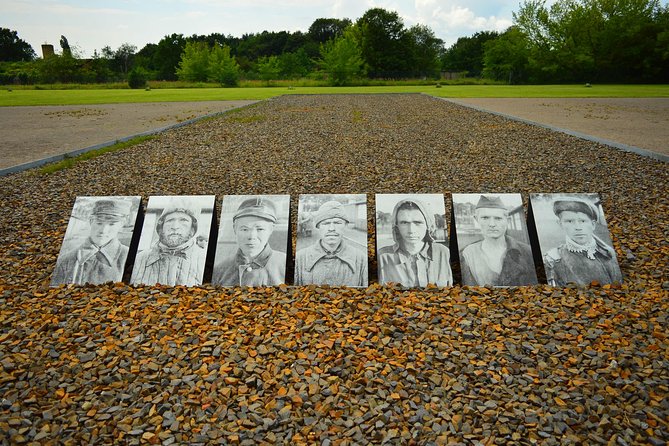
- See Sachsenhausen’s main historic areas: Enter through Tower A, visit the commandant’s house, and walk through the former camp grounds.
- Learn the wider story first: The guide explains Nazi rule, the camp system, forced labor, and what local residents in Oranienburg could have known.
- Cover two periods of detention: The visit includes the Nazi camp from 1936 to 1945 and the Soviet special camp used from 1945 to 1950.
- Ride directly from central Berlin: Meet at Friedrichstraße and return there by air-conditioned coach.
- Expect a serious, walking-based visit: Comfortable shoes, water, and emotional preparation matter more here than entertainment.
- Know the trade-off: A group of up to 28 and a four-hour schedule make this convenient, but not a slow, archive-focused study visit.
Why Sachsenhausen matters before you arrive
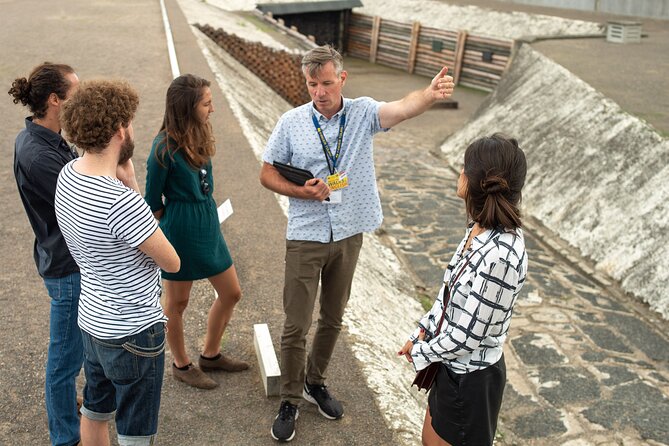
Sachsenhausen was built in 1936 as a concentration camp near Berlin. Its design was intended to be modern, organized, and expandable, which tells you something chilling about how the Nazi state planned its system of imprisonment.
The site held political prisoners, people persecuted by the Nazi regime, forced laborers, and others classified as enemies. Around 35,000 people died there during its years of Nazi operation, from 1936 through 1945. The number is enormous, but the memorial becomes more understandable when your guide connects it to the buildings, work areas, barracks, and routines you see on foot.
That preparation is one of the tour’s strongest features. On the coach journey to Oranienburg, your guide introduces the camp and points out where inmates worked in the town. You also hear about what local people knew, or may have chosen not to know, about the camp system around them.
This context prevents the visit from becoming a quick circuit of grim buildings. It helps you see Sachsenhausen as part of everyday German life, not an isolated place disconnected from Berlin.
More routes around Berlin:
- Berlin: Hop-on Hop-off Bus Tour with Live Commentary
★ 4.3 · 8,579 reviews - Berlin: Big Bus Hop-On Hop-Off Sightseeing Tour & Currywurst
★ 4.4 · 4,638 reviews - Berlin: City Sightseeing Hop-On Hop-Off Bus Tour
★ 4.1 · 4,233 reviews
Meeting at Friedrichstraße and riding to Oranienburg
The tour begins at Reichstagufer 17 near Friedrichstraße station at 10:00 a.m. Arrive at least 15 minutes early. This is not the moment to cut things close, since the coach leaves as scheduled and the meeting area can be busy.
You do not receive hotel pickup, so plan your own route to the meeting point. Friedrichstraße is served by public transportation, making the start fairly simple if you are staying in central Berlin.
The air-conditioned coach is a real convenience. Oranienburg is outside central Berlin, and the return journey would require more planning by train and local transport. On this tour, you settle in, listen to the introduction, and let the guide handle the route.
The ride also gives the guide time to explain the area before the walking portion begins. Several guides, including Rebecca and Ariel, have been praised for answering questions clearly and offering Berlin restaurant or sightseeing suggestions on the way back. That makes the coach more than just transport, though the quality of the commentary can vary with the individual guide.
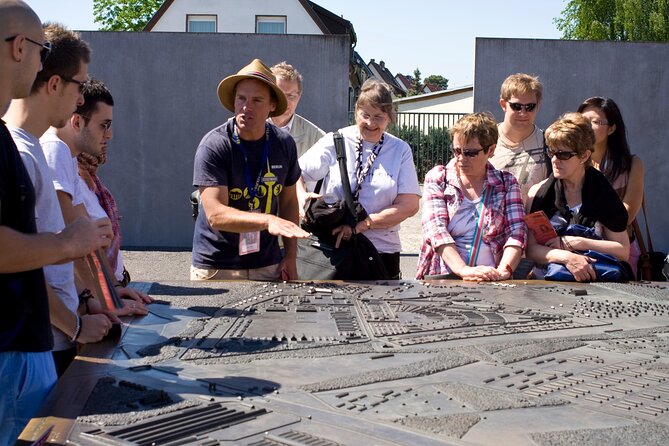
The group size is capped at 28 people. That is small enough to hear a guide in most situations, but it is not a private tour. If you want to stop often, ask long questions, or spend several minutes at each exhibit, you will need to work within the group’s pace.
Entering through Tower A and the camp gate
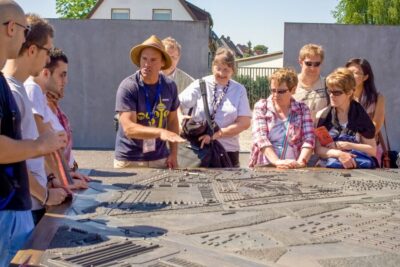
Once you reach Sachsenhausen Memorial and Museum, the guided walk begins inside the former camp area. Tower A is the principal entrance, and the gate carries the infamous phrase Arbeit Macht Frei.
Seeing the gate in person is powerful, but it is only the beginning. The guide places the entrance within the camp’s design and explains how control, surveillance, and forced labor shaped daily life.
The site is large and open. You walk across exposed ground between surviving structures, reconstructed areas, foundations, and memorial spaces. In cold or wet weather, the conditions can make the visit harder, but they can also give you a sharper sense of how exposed prisoners were to the elements. Bring a coat in winter and do not count on finding food during the tour.
The walking is manageable for people with moderate fitness, but it is not suitable for those with limited mobility or walking impairments. You should wear firm, comfortable shoes rather than fashionable footwear designed only for city streets.
The commandant’s house and the machinery of control
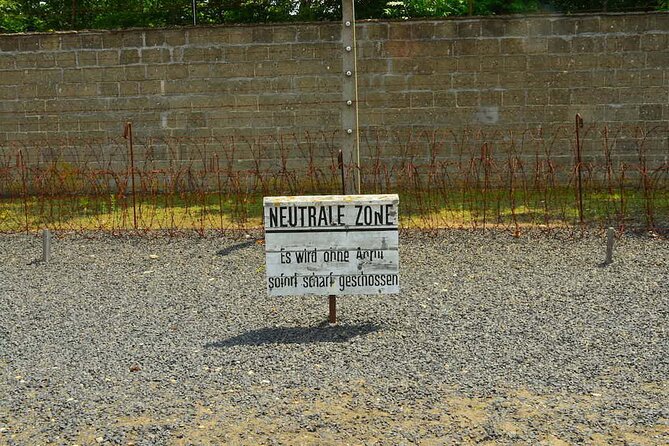
The commandant’s house helps show how the camp was managed. Your guide explains the chain of authority and the relationship between the camp administration, guards, forced labor, and the Nazi state.
This part of the visit is useful because it moves the story beyond individual cruelty. Sachsenhausen was not simply the work of a few brutal men. It was a structured institution with offices, rules, schedules, punishments, and people assigned to carry them out.
The guide’s role matters here. Hannah has been praised for combining detailed historical explanation with a personal and sensitive approach. Joseph has also been noted for placing the camp within the social and political story of Berlin before and during the war.
You may find the information emotionally difficult, but the presentation is intended to be clear rather than sensational. Good guiding at a place like this does not turn suffering into drama. It gives you enough facts and context to understand what happened without losing sight of the people who suffered.
Same city, a different seat on a different deck:
- Berlin: East and West Hop-On Hop-Off Bus Tour
★ 4.2 · 2,195 reviews - Berlin: English Bus Tour to Sachsenhausen Concentration Camp
★ 4.9 · 1,380 reviews - Berlin: 1.5-Hour Comedy Bus Tour in German
★ 4.5 · 1,165 reviews - Berlin: Sightseeing Tour in Classic Volkswagen T1 Samba Bus
★ 4.9 · 993 reviews
Infirmary barracks and the personal cost of the camp
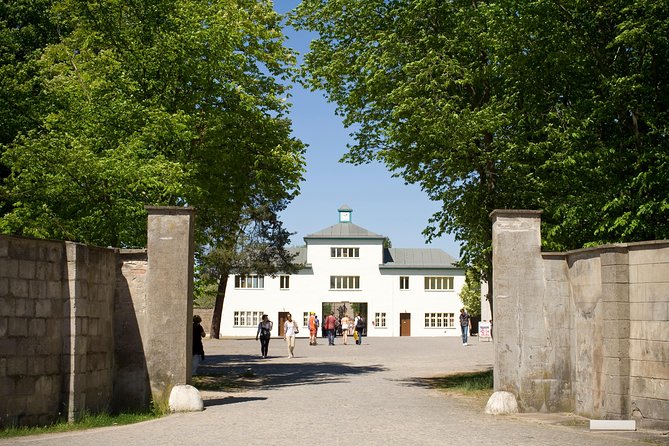
The infirmary barracks are among the most difficult areas. Medical experiments took place there during the war, and the buildings point to the way prisoners were treated as disposable bodies.
A guide can explain the purpose of the barracks and the wider medical crimes, but you should allow yourself quiet time as well. The memorial contains individual names, testimonies, photographs, and accounts of life in the camp. The tour cannot give every story the time it deserves.
This is the central weakness of the four-hour format. A guide can show you the main areas and explain the broad development of the camp, but you may need a separate visit if your priority is reading personal accounts in detail.
I would choose this guided tour if you want a strong introduction and a clear route through the site. I would choose an independent visit, or return another day, if you already know the basic story and want to spend hours with the exhibits and inmate biographies.
The Soviet special camp from 1945 to 1950
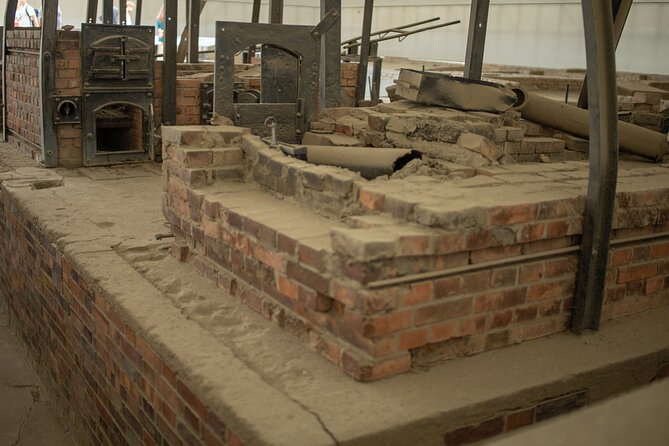
Sachsenhausen’s story did not end with the defeat of Nazi Germany. The Soviet authorities used the site as a special camp from 1945 to 1950, and around 12,500 people died there during that period.
Including this second chapter is one of the tour’s most valuable features. It prevents a simple before-and-after story in which liberation ends all suffering. Instead, you see how a site built for political detention continued to be used under a different authority.
Your guide explains what life was like for prisoners in the Soviet period and how the memorial presents this difficult history. That wider view adds important context, particularly if you know Sachsenhausen only as a Nazi concentration camp.
The amount of time available remains the issue. You will receive an explanation of the Soviet special camp, but you may not have time to examine every display closely. Take notes if you want to read more later.
A tour that handles difficult material with care
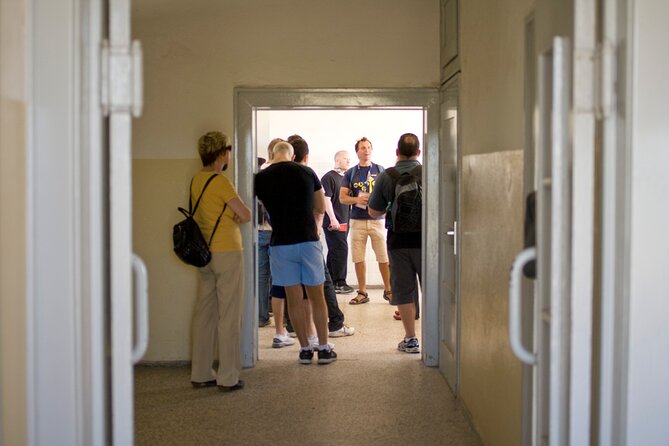
This experience is best for people who want serious education, not a casual day trip. The strongest guides, including Rebecca, Maria, Mikhail, Campbell, Georgia, and Irish Paul, have been praised for presenting the material with clarity, respect, and patience.
Different guides bring different styles. Ariel is described as engaging and good at keeping a group focused, while Hannah has connected the subject to her own family story. Those personal touches can make the material easier to follow, but they should never replace the historical record.
The subject can also affect you in unexpected ways. Some people feel sadness immediately. Others feel anger, numbness, or nothing until the end of the visit. You might find the cold, the empty spaces, or a particular testimony stays with you after you leave.
Give yourself some quiet time after returning to Berlin. Do not schedule a loud party or a tightly packed attraction immediately afterward if you think you will need space to process what you saw.
The return ride and the value of the $68.77 price
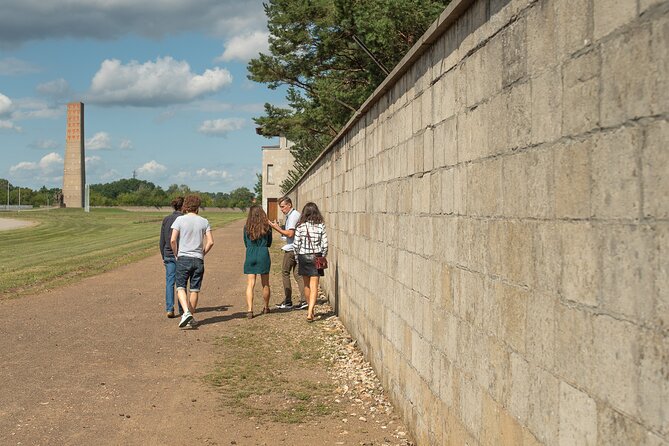
At $68.77 per person, this is not the cheapest way to reach Sachsenhausen. You pay for the coach, a licensed guide trained by the memorial authority, entry to the memorial, a driver, the return journey, and a €3 donation per person to Sachsenhausen.
The value depends on what you want. If you are comfortable finding your own way by train, reading the memorial information, and building your own route, an independent visit may cost less. You will also control your pace.
The tour earns its price through structure and explanation. A specialist guide introduces the site before arrival, leads you through the main areas, answers questions, and gives you historical context that can be easy to miss on your own.
The return to Friedrichstraße is direct, and guides often use the ride to answer questions about Berlin. Rebecca, for example, has been praised for speaking with people individually and suggesting places to eat or visit. That is a small but useful extra, especially early in your Berlin stay.
The donation is also worth noting. It is modest, but it supports the memorial site and is already included rather than added as a surprise.
What to bring and how to prepare
Bring water and a snack. Food and drinks are not supplied, and the tour’s schedule does not make it a good idea to assume you will find a meal at the memorial.
Wear weatherproof clothing. The camp grounds are open and the visit includes substantial walking, so winter wind, rain, snow, or summer heat can affect your comfort.
Before you go, decide what you want from the visit. If you want a broad understanding of the camp’s purpose and development, the guided format works well. If you want to read every personal story, plan a longer independent visit or consider returning to the memorial later.
Also prepare children and younger members of your group honestly. The tour deals with death, starvation, forced labor, medical abuse, and political persecution. It is not suitable simply because it appears on a list of things to do in Berlin.
Free cancellation is available up to 24 hours before the start time. Changes or cancellations made less than 24 hours before departure are not refunded, and arriving late can mean missing the coach, so build in time for Berlin’s transport and the walk to the meeting point.
Who should book this Sachsenhausen tour
Book it if you want a guided introduction to one of Berlin’s most important memorial sites and value an easy coach transfer. It is especially useful if you have limited time, prefer listening to a specialist, or want the Nazi and Soviet periods explained together.
It also suits families and groups who want a shared, serious experience without arranging trains and local transport. The guide-led structure helps keep the visit focused, and the return ride gives you a chance to ask about the rest of Berlin.
Think twice if you need a slow, private, museum-heavy visit. The four-hour schedule and group size mean you will see the main areas, but you may not have enough time to read every inmate story or reflect at length in each building.
Should you book it?
I would book this tour if convenience, context, and a clear route matter to you. The coach removes transport worries, the memorial admission and donation are included, and the best guides make a difficult subject understandable without treating it as spectacle.
I would not book it expecting an exhaustive research visit. The tour is an introduction with real depth, but it is still an express-style outing. Bring water, arrive early, wear practical shoes, and give the subject the attention it deserves.
FAQ
Where does the Sachsenhausen tour begin?
The tour begins at Reichstagufer 17, near Friedrichstraße station in central Berlin.
What time does the tour start?
The scheduled start time is 10:00 a.m. You should arrive at the meeting point 15 minutes before departure.
How long does the tour last?
The tour lasts approximately four hours, including the journey from Berlin to Sachsenhausen and the return to central Berlin.
Is transportation included?
Yes. An air-conditioned coach takes you from the central Berlin meeting point to Sachsenhausen and back.
Is admission to Sachsenhausen included?
Yes. Entry to the Sachsenhausen Memorial is included, along with a €3 donation per person to the memorial.
Is the tour conducted in English?
Yes. The tour is offered in English.
How large is the group?
The group can include up to 28 people.
Is food provided?
No. Food and drinks are not included, so bring water and a snack.
Is the tour suitable for people with limited mobility?
No. The experience involves substantial walking and is not recommended for people with limited mobility or walking impairments. A moderate level of physical fitness is advised.
Recently added around Berlin
- Berlin: Sachsenhausen Concentration Camp and Potsdam day tour★ 4.5 · 318 reviews
- Berlin: Bus Tour by Night with Live Commentary★ 4.2 · 687 reviews
- Berlin: Live-Guided Evening Sightseeing Tour by Open-top Bus★ 4.1 · 783 reviews
- Berlin: Hop-On-Hop-Off Bus with Boat Cruise Option★ 3.8 · 818 reviews
- Big Bus Berlin Hop-On Hop-Off Sightseeing Tour & Currywurst★ 4.0 · 856 reviews
- City Sightseeing Berlin Hop-On Hop-Off Bus Tour★ 3.0 · 981 reviews
- Berlin: Sightseeing Tour in Classic Volkswagen T1 Samba Bus★ 4.9 · 993 reviews
- Berlin: 1.5-Hour Comedy Bus Tour in German★ 4.5 · 1,165 reviews
Berlin Bus Tours, compared.
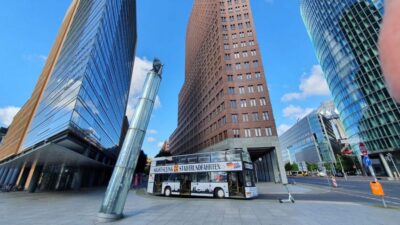
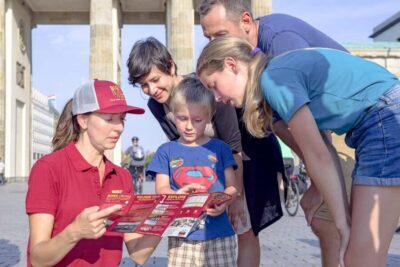
Big Bus Hop-On Hop-Off Sightseeing Tour & Currywurst
Read our review →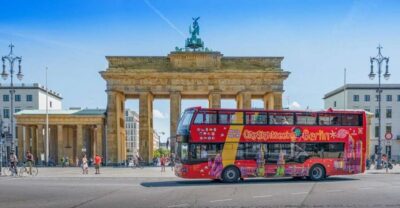
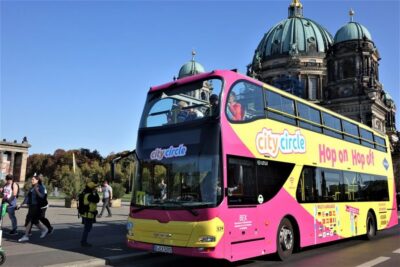
English Bus Tour to Sachsenhausen Concentration Camp
Read our review →
Sightseeing Tour in Classic Volkswagen T1 Samba Bus
Read our review →
Browse the lists this tour appears in