
Review · HANOI BUS TOURS
2 Day Sapa-Bac Ha Market: Night Train& Homestay-Bus Ha Giang
The best part of this trip is the change of pace. You leave Hanoi at night, wake near the mountains, and spend the next two days walking through Black H’Mong, Red Dao, and Giay villages rather than simply looking at Sapa from a hotel balcony. The route passes rice terraces, bamboo forest, streams, village homes, and the old French-built hydroelectric plant at Cat Cat.
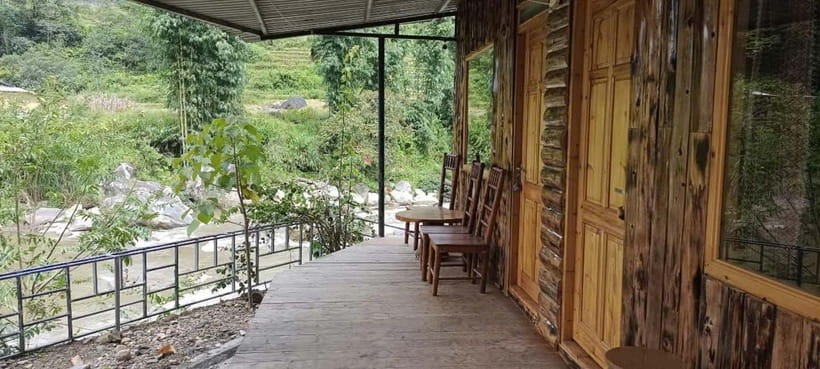
I like the Ta Van homestay, where a simple shared room, fresh food, and a public bathroom give you a closer look at village life. I also like the useful onward connection to Ha Giang, since the tour can serve as both a Sapa trek and a link between northern Vietnam’s mountain regions.
The main catch is that the title promises two days, but the Bac Ha Market option adds a third day and an overnight in Bac Ha. The trekking is also not a soft stroll, and the homestay is basic. You need comfortable shoes, cash in Vietnamese dong, and a willingness to trade convenience for local contact.
Key points to know before booking
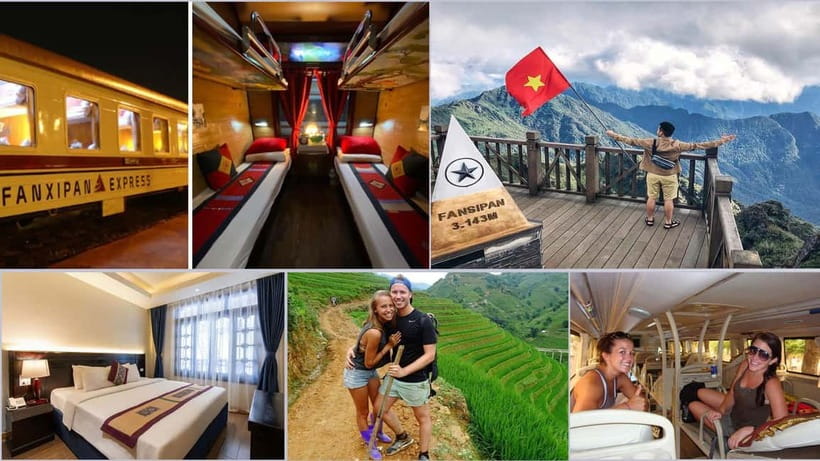
- Overnight Hanoi to Lao Cai travel: You may take a sleeper train, with departures listed around 9:30 pm, or use a sleeper bus depending on the option you choose.
- Three village trekking areas: The route covers Cat Cat, Lao Chai, Ta Van, and Giang Ta Chai, with views toward the Muong Hoa Valley and Fansipan.
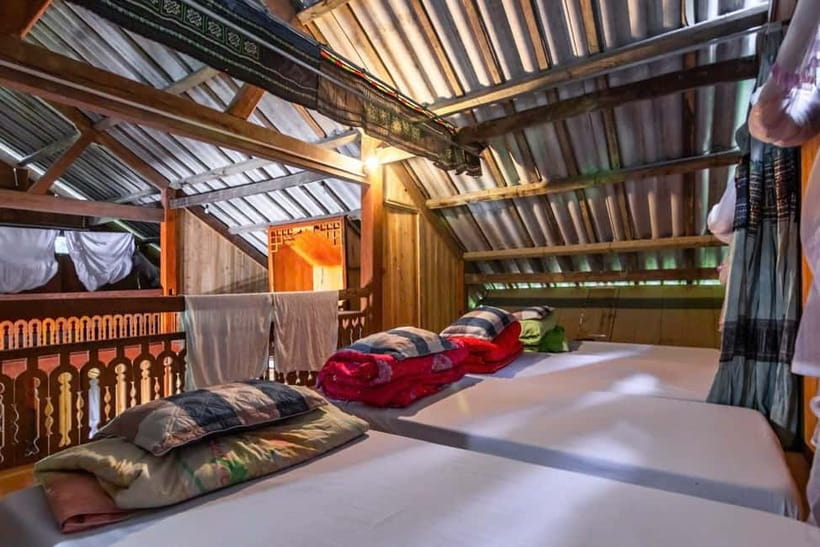
- Basic Ta Van homestay: Expect a shared room or single mattress, clean water, fresh food, and a public bathroom rather than hotel comforts.
- Optional Bac Ha extension: A private car and guide take you to Bac Ha, Hoang A Tuong’s castle, and Pho village, with the market held on Sunday.
- Direct Sapa to Ha Giang link: Limousine and sleeper buses take about six hours and require an extra payment of 300,000 Vietnamese dong per person.
- Small-group format: The Sapa portion is limited to 15 people and includes a local English-speaking guide.
What this Sapa trip really includes
At its core, this is a fast but rewarding mountain journey: Hanoi to Lao Cai by night, Lao Cai to Sapa by road, two days of walking, one night in Ta Van, and a choice of returning toward Hanoi or continuing to Ha Giang.
The base price is listed at $56 per person, which is good value for transport, guiding, meals, entrance tickets, and a homestay. You should read the options carefully, though. The price does not cover drinks, insurance, personal spending, holiday surcharges, private homestay rooms, or the Sapa to Ha Giang bus.
The Bac Ha extension is a different pace and should be treated as an add-on rather than part of the standard two-day trip. It requires another night in Bac Ha and is available for the Sunday market itinerary.
This is not a polished resort-style outing. It is a practical mountain route built around walking and local contact. That makes it a good choice if you want to see how villages connect with farmland and one another. It is less suitable if you want long breaks, private bathrooms, or a carefully paced luxury tour.
More trips by rail around Hanoi:
- Hanoi City Tour: Bat Trang, Train Street, Lunch & Luxury Bus
★ 4.9 · 15 reviews - 1 Day – 1/2 Day Hanoi City – Luxury Bus, Lunch, Train Street
★ 4.9 · 8 reviews - Sapa – Bac Ha Trek Tour – Night Train & Bus & Homestay overnight
★ 5.0 · 6 reviews
Night train from Hanoi to Lao Cai
The first evening begins at Hanoi Train Station. The listed SP1, SP2, and SP3 trains depart at about 9:30 pm, although your exact meeting point and departure details depend on the option booked.
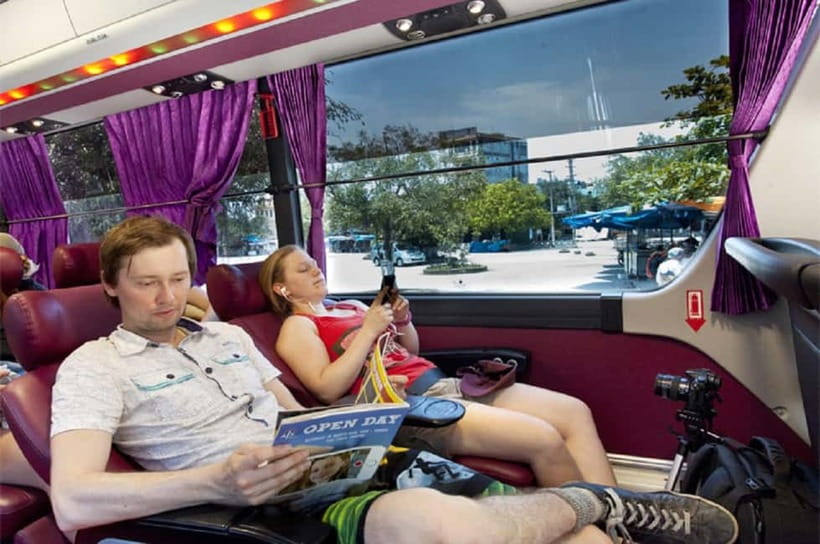
The train is part of the experience. It saves you a hotel night and gets you close to the mountains while you sleep. The supplied information also refers to sleeper bus options, so confirm the transport type before paying. This matters because a train berth and a sleeper bus offer very different levels of comfort and personal space.
At about 5:00 am, a driver meets you at Lao Cai Station for the 40-kilometer transfer to Sapa. You arrive early, refresh, and have breakfast at the hotel before the trek begins.
That early arrival is useful, but it also makes the first walking day demanding. You will have spent the night in transit, so pack a light bag and keep your essential items easy to reach. Your main luggage arrangements should be confirmed with the local supplier before departure.
Cat Cat Village and the French-built power plant
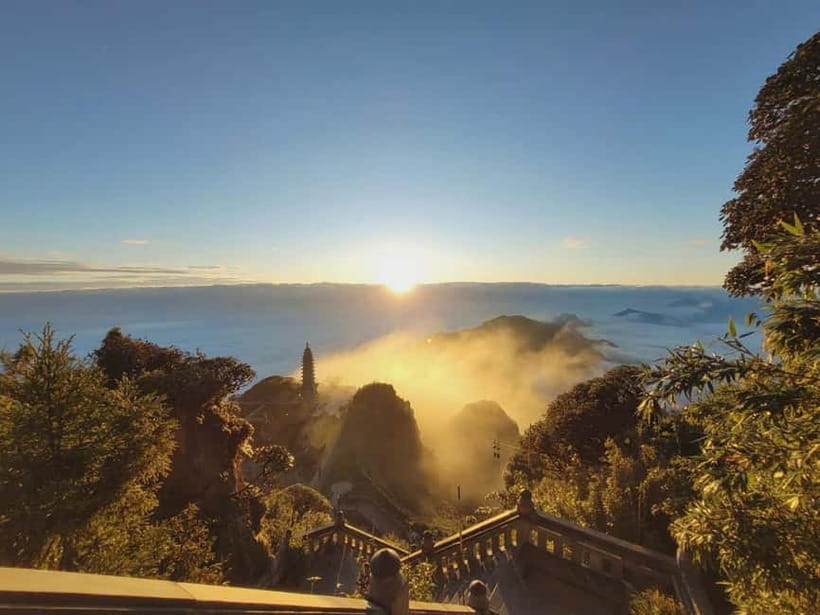
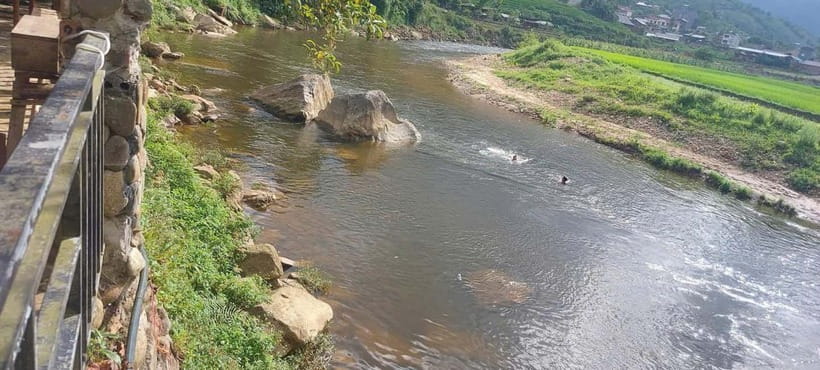
After breakfast, you meet a local H’Mong guide and walk toward Cat Cat Village. This area is home to Black H’Mong people and includes a waterfall, the Muong Hoa stream, terrace fields, local schools, and a hydroelectric power plant built during the French period.
Cat Cat is a good opening walk because it gives you several kinds of scenery in a short stretch. You see homes, water, farming areas, and older infrastructure rather than one isolated viewpoint. The path also introduces the mountain terrain before the longer route through Lao Chai and Ta Van.
Your guide is important here. The strongest part of this experience is not only the scenery, but the explanations about village life and culture. Guides Tung and Soa received especially warm praise for their humor, personal stories, and willingness to explain their own culture. Your assigned guide may be different, since guides can change with the route.
Cat Cat can feel busy compared with the more rural sections later in the trip. Keep that in mind if you are hoping for complete quiet. The value is in the combination of cultural explanation and easy access from Sapa, not in solitude.
Lao Chai and the Muong Hoa Valley
After Cat Cat, a car returns you to the hotel for lunch. The afternoon walk follows what is described as one of Sapa’s most scenic paths, passing through Lao Chai toward Ta Van.
Lao Chai is a Black H’Mong village beside the Muong Hoa Valley and stream, on the lower slopes of Fansipan. Here the route opens into broad mountain views, terrace fields, homes, cooking smoke, and footpaths between villages.
The attraction is the way the scenery and daily life sit together. You are not just walking toward a viewpoint. You are moving through working villages where fields, houses, paths, and watercourses form part of ordinary life. The terraces are especially appealing when seen from the walking route, since you can understand their shape and position instead of viewing them only from a road.
The route is described as a long trek, so take the warning about proper shoes seriously. Bring sunscreen, insect repellent, sunglasses, and water. The tour includes meals, but beverages are not included, and cash is useful for small purchases.
By late afternoon, you reach Ta Van, home to Giay people. This is where you spend the night.
More market visits around Hanoi:
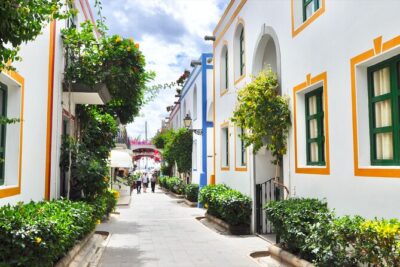
- Bus to the local market of Puerto de Mogan
★ 4.5 · 25 reviews - Loulé Market and Town Half-Day Bus Round Trip from Albufeira
★ 4.5 · 14 reviews - Quarteira Market & Town Bus Trip from Albufeira
★ 4.0 · 13 reviews - From Algarve Coast: Day Trip by Bus to Loule Market
★ 3.5 · 13 reviews
A simple night in Ta Van
The Ta Van homestay is one of the most meaningful parts of the trip, but it is also where expectations matter most. You receive a shared room or a single mattress, clean water, fresh food, and a public bathroom. A private room is not included, and a single supplement may apply.
Think of this as a place to sleep in a village setting, not a small hotel. The facilities are simple. That may be a fair trade if you want more contact with local life, but it can be uncomfortable if you need privacy or modern bathroom facilities.
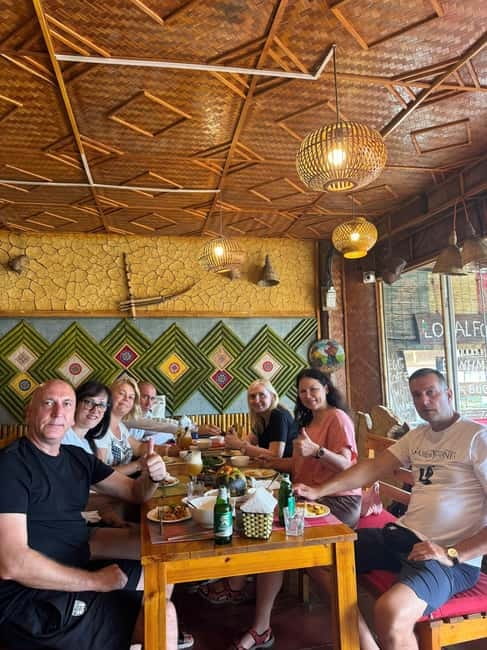
Dinner is included, giving you a chance to sit down with the group after the walk. The food is described as fresh and amazing, but specific dishes are not listed, so do not book this expecting a fixed menu or a particular dietary arrangement unless you confirm it first.
The homestay also gives the trek a better rhythm. You walk into Ta Van, stay there, and continue from the village in the morning instead of returning to Sapa every night. That saves road time and makes the route feel more connected.
Giang Ta Chai and the second morning trek
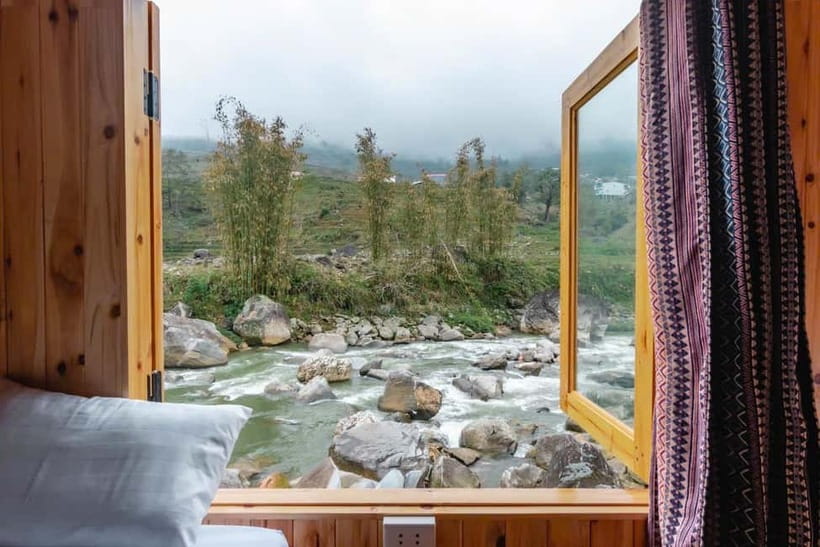
After breakfast, the group walks from Ta Van toward Giang Ta Chai. This area is associated with Red Dao, Giay, and Black H’Mong communities and includes bamboo forest views over the Muong Hoa Valley.
The second trek is described as medium difficulty. It is shorter in feel than the first day, but you still need steady footwear and enough energy for uneven paths. The bamboo forest provides a change from the open terrace views around Lao Chai.
A car collects you and returns you to Sapa for lunch. This combination of walking and vehicle support is practical. You get a substantial village route without carrying your main luggage from place to place, and you do not have to walk all the way back to town.
The two days also give you different types of scenery. Cat Cat offers a waterfall and older infrastructure. Lao Chai gives you open terrace views and village paths. Giang Ta Chai adds bamboo forest and another set of ethnic communities.
Returning to Hanoi or continuing to Ha Giang
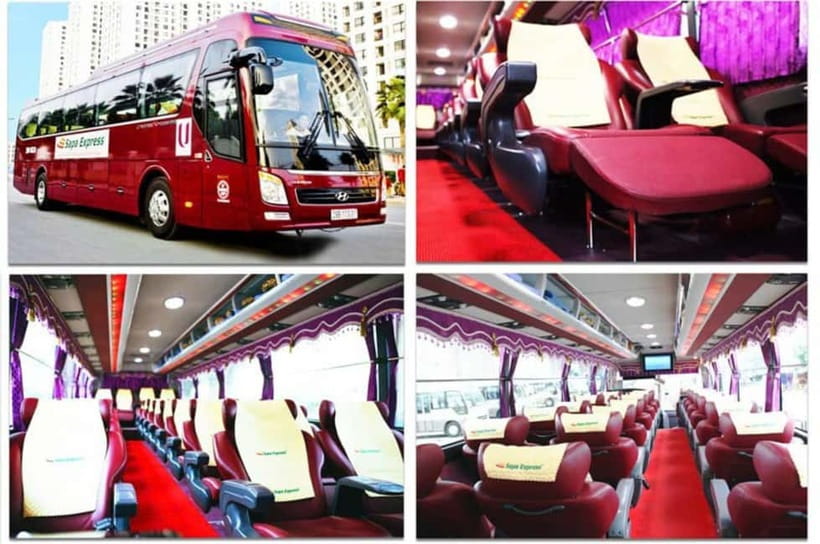
After lunch in Sapa, the standard plan has you prepare for a bus toward Hanoi around 1:30 to 2:00 pm. The bus makes two or three breaks and ends at 160 Tran Quang Khai Street in Hanoi, where you make your own way back to your hotel.
The timing is worth checking carefully. After a night train and two trekking days, the return journey can feel long. It is sensible to avoid scheduling an important evening flight or an immovable appointment until you know the exact bus departure and arrival details.
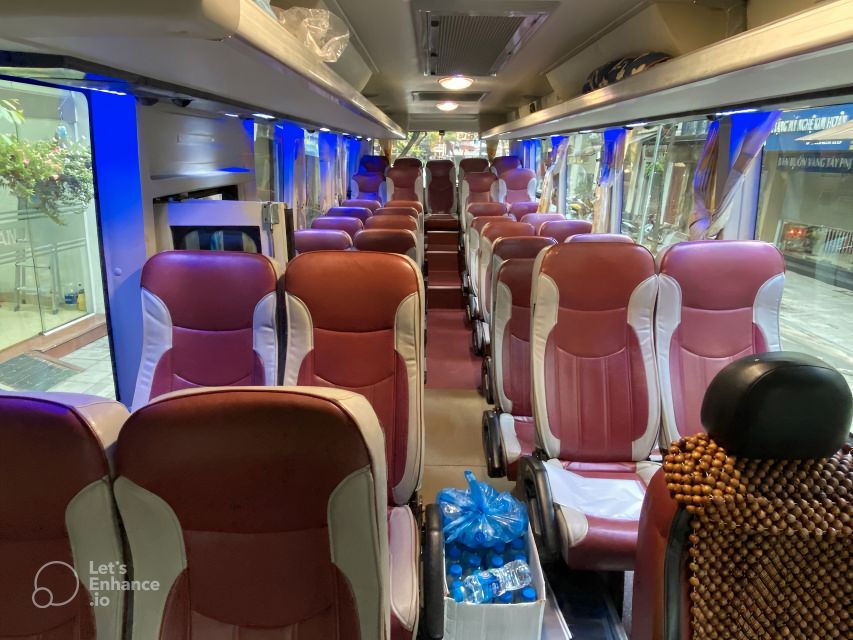
If you are going directly to Ha Giang, two bus options are listed. A limousine bus leaves around 2:30 pm from May Hotel, while a sleeper bus leaves around 7:30 pm from its meeting point. Both take about six hours, and both cost an additional 300,000 Vietnamese dong per person.
The afternoon limousine is the practical choice if you want to reach Ha Giang sooner. The evening sleeper bus gives you more time in Sapa, but you arrive later. Confirm the pickup location and extra payment with the travel consultant because these buses are not included in the $56 base price.
Adding Bac Ha Market on Sunday
The Bac Ha option changes the trip from two days into a longer mountain journey. After lunch in Sapa, a guide and private car take you to Bac Ha, about two hours away. You check into a hotel, have dinner, and continue the next morning.
This option works best if Bac Ha is a major reason for your northern Vietnam visit. The Sunday market brings together Red H’Mong, Giay, Red Dao, and Tay communities. The market is described as a place where people exchange animals, household goods, souvenirs, and other products. It offers a more traditional trading setting than a standard tourist market.
The private car and guide are valuable here because Bac Ha is not simply a quick stop on the Sapa route. The drive takes time, and the extra night prevents you from trying to force the market into an already crowded trekking schedule.
The itinerary also includes Hoang A Tuong’s castle, once the home of a H’Mong ruler, and Pho village near Bac Ha. At Pho village, you walk along a peaceful road and see daily life away from the main market.
The Sunday market is the key condition. If your dates do not include Sunday, the market portion does not fit the stated plan. Ask the supplier to confirm the exact number of days, hotel arrangements, and return transport before booking this extension.
Guides, group size, and the human side of the walk
The tour uses local English-speaking guides, with groups limited to 15 people. That is small enough for a guide to explain village customs and keep the group together without the stiffness of a private tour.
The strongest guide experiences are tied to personal cultural explanation. Tung is described as funny and full of stories about village life. Soa is praised for explaining her culture openly and making the homestay feel caring and personal. Your guide may not be either of them, but these names are worth noting when you contact the supplier.
A local guide can also help with route conditions and village etiquette. You should listen carefully when taking photographs, visiting homes, or walking through working areas. The value of this trip comes from seeing ordinary life respectfully, not from treating villages as scenery.
What to pack and what to expect
Bring comfortable trekking shoes, sunglasses, sunscreen, insect repellent, and a small bag for the walking days. The instructions specifically advise against bringing children under six and say the tour is not suitable for pregnant women or people with mobility limitations.
Carry Vietnamese dong. The banking system in Sapa can be unreliable, and drinks and personal expenses are not included. US dollars, euros, and Australian dollars are accepted, but local currency is the safer choice for small purchases.
Leave a working phone number through WhatsApp, Line, Viber, or KakaoTalk so the local supplier can confirm arrangements. Meeting points can vary by option, and the transport details change if you choose the train, sleeper bus, Bac Ha extension, or Ha Giang connection.
Cancellation is flexible up to 24 hours before departure for a full refund, and you can reserve now and pay later. Holiday dates carry a listed surcharge of 700,000 Vietnamese dong per person, paid directly to the guide. These dates include April 30, May 1, September 1 through 3, December 24 and 31, and January 1.
Is the $56 price good value?
For the standard Sapa route, the price is attractive. It covers Hanoi to Sapa and return transport according to the selected option, the local guide, meals listed in the plan, the Ta Van homestay, and entrance tickets.
The value comes from combining several costly pieces into one short trip. You get overnight transport, a mountain transfer, two guided trekking days, food, and accommodation without arranging each part yourself.
Still, $56 is not the final cost for every version. You may pay extra for the Sapa to Ha Giang bus, a private homestay room, holiday dates, drinks, and personal expenses. The Bac Ha extension also involves another hotel night and private transport, so ask for the full price of your exact option.
Should you book this Sapa trek?
Book it if you want a compact introduction to northern Vietnam, enjoy walking for several hours, and are comfortable with basic accommodation. It is especially useful if you plan to continue to Ha Giang or want to combine Sapa with a Sunday visit to Bac Ha.
Choose another arrangement if you need a private bathroom, a relaxed schedule, or guaranteed hotel comfort. The first morning starts early after overnight travel, and the two-day title can be confusing once Bac Ha and Ha Giang options are added.
For the best fit, confirm four points before booking: your transport from Hanoi, your return or Ha Giang connection, whether Bac Ha makes the trip three days, and the exact homestay arrangements. If those details suit you, this is a strong-value way to walk through Sapa’s villages rather than simply passing through town.
FAQ
How long is the standard Sapa experience?
The standard activity is listed as two days, following an overnight journey from Hanoi. The optional Bac Ha Market plan adds another day and night.
Is the overnight transport by train or bus?
The transport depends on the option booked. The plan lists sleeper trains from Hanoi to Lao Cai, with departures around 9:30 pm, and also refers to sleeper bus options.
Where do I stay overnight?
You stay in a homestay in Ta Van. Accommodation is a shared room or single mattress with a public bathroom. A private room is not included in the standard arrangement.
Can I travel from Sapa to Ha Giang?
Yes. A limousine bus and a sleeper bus are listed, and the drive takes about six hours. The extra cost is 300,000 Vietnamese dong per person.
When can I visit Bac Ha Market?
The Bac Ha Market visit is available on Sunday. The optional plan includes a private car and guide, an overnight in Bac Ha, Hoang A Tuong’s castle, and Pho village.
What is included in the $56 price?
The listed inclusions are Hanoi to Sapa and return transport according to the selected option, a local English-speaking guide, meals in the itinerary, the Ta Van homestay, and entrance tickets. Drinks, insurance, personal expenses, holiday surcharges, and some onward transport costs are not included.
More two-day trips around Hanoi
- From Hanoi: 2-Day Sapa Limo Bus Tour & Fansipan Peak Visit
★ 4.6 · 277 reviews - From Hanoi: 2D1N Ha Long Bay Deluxe Cruise with Bus Limousine
★ 5.0 · 185 reviews - 2-Day Trekking Adventure of Sapa from Hanoi with Night Bus
★ 5.0 · 134 reviews - Sapa Trekking Tour 2 Days 1 Night By Bus
★ 5.0 · 86 reviews
More shopping stops around Hanoi
- Cancun City Sightseeing and Shopping Tour on a Double Decker bus
★ 4.0 · 540 reviews - Washington DC: National Mall Night Bus Tour
★ 4.6 · 313 reviews - Cancun: Guided City Tour with Shopping by Double Decker Bus
★ 4.0 · 94 reviews - “Ephesus Tours” Port Kusadasi lunch guide bus shopping Caravanserai artemis
★ 5.0 · 19 reviews
Recently added around Hanoi
- 2-Day Trekking in Sa Pa from Ha Noi by sleeping bus★ 5.0 · 4 reviews
- Vietnam Day Trips All-Inclusive, Bus, Guide, Meals & Activities★ 4.5 · 8 reviews
- Sleeping bus Ninh Binh to Hue★ 4.0 · 5 reviews
- From Hanoi: 2D1N Ha Long Bay Deluxe Cruise with Bus Limousine★ 5.0 · 185 reviews
- Sapa trekking 2days by bus from Hanoi ( over night in homestay)★ 5.0 · 21 reviews
- Sapa Trekking Tour 2 Days 1 Night By Bus★ 5.0 · 86 reviews
- Sapa 2D1N Trekking to Giang Ta Chai Village from Hanoi by Bus★ 3.5 · 4 reviews
- Sapa Trekking 3 Days 2 Nights by Bus – Homestay & Hotel★ 3.5 · 2 reviews
Markets, compared.

Loulé Market and Town Half-Day Bus Round Trip from Albufeira
Read our review →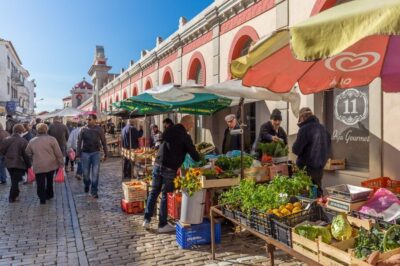
From Algarve Coast: Day Trip by Bus to Loule Market
Read our review →

Nairobi: Hop on Hop off and Maasai market Collections Visit
Read our review →
Half Day Morning Bosphorus Cruise & Spice Bazaar visit (Bus and Boat Tour)
Read our review →
Premium Damnoen Saduak & Railway Market By Food Bus
Read our review →
Christmas market lights tour bus through Berlin, free mulled wine (2.5 hours)
Read our review →Browse the lists this tour appears in