
Review · VIENNA BUS TOURS
Vienna Hop On Hop Off City Tour
Vienna’s hop-on hop-off bus is most useful as a moving map of the city. In about two hours of riding, you can connect the imperial center with Schönbrunn, Belvedere Palace, the Prater, the Danube, and Vienna’s northern hills without learning the tram system first. I especially like the three pass lengths and the broad choice of routes, which let you use the bus as sightseeing, transportation, or both.
I also like the included music history audio tour, a smart extra in a city linked so closely with Mozart, Beethoven, Schubert, and Strauss. The main drawback is waiting time. Buses may arrive every 30 to 60 minutes on some routes, so a one-day pass requires a watch, a route plan, and some patience.
Key points to know before you board
- Three pass lengths: Choose 24, 48, or 72 hours, with the clock starting when you first board.
- Four useful route areas: The service reaches the central museums, Schönbrunn and Belvedere, the Danube and Prater, and the northern hillside viewpoints.
- Recorded commentary: Audio is available in 19 languages, including English, Korean, Polish, and Serbian.
- Music in the ticket: Use the self-guided walking audio tour to connect Vienna streets with famous composers.
- Best value comes from multiple rides: A single loop gives you an overview, but the pass earns its keep when you hop off at several major sights.
- Main weakness is frequency: Some departures can be 40 to 60 minutes apart, which can eat into a short visit.
How this Vienna bus tour works

You may begin at any listed stop, with the Vienna State Opera serving as a central starting point. Your pass becomes valid for 24, 48, or 72 hours from your first boarding, not simply from the date of purchase.
That distinction matters. If you arrive in the afternoon, a 24-hour ticket can carry into the next day. The pass is not just a sightseeing loop. You can use it to reach Schönbrunn, Belvedere, the Prater, or the Danube, then return to the center without arranging separate transport each time.
The ride itself lasts about two hours if you stay aboard. I would use that first circuit to get oriented, listen to the commentary, and note the stops that deserve a longer visit. After that, hop off selectively. Vienna’s central sights reward walking, while outer stops are more useful as bus excursions.
The commentary is prerecorded rather than delivered by a live guide. It gives basic context about the sights, but the experience depends on your audio connection and seat. Some passengers have found the narration clear and well timed, while others have had trouble with volume, synchronization, or faulty headphone ports. Bring a little flexibility, and move seats if needed.
More Hop-On Hop-Off Bus Tours in the world:
- Barcelona: 24 or 48-Hour Hop-On Hop-Off Bus Tour
★ 4.4 · 20,872 reviews - Rome: City Sightseeing Hop-on Hop-off Bus with Audioguide
★ 4.0 · 16,045 reviews - Paris: Tootbus Hop-on Hop-off (Optional River Cruise)
★ 4.3 · 15,279 reviews
The central route: opera, museums, and the old city
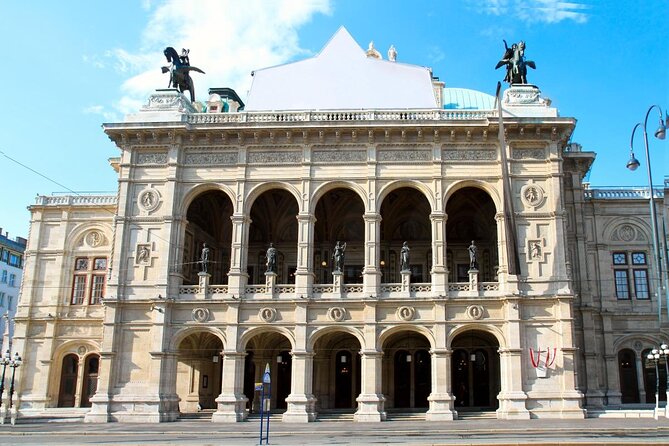
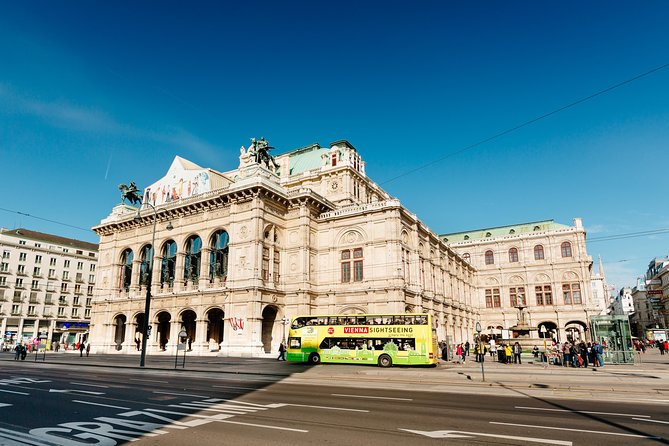
The Vienna State Opera is the natural starting point. It places you beside the Ringstrasse, Vienna’s grand boulevard of imperial-era buildings, and near the Hofburg, museums, and central shopping streets. Even if you do not board here, it is an easy reference point for planning your day.
From the opera, the route heads toward the Kunsthistorisches Museum, one of the city’s major art museums. The stop is handy for the museum itself and for the nearby Museum of Natural History, although only the Kunsthistorisches Museum is named on the route. You can also walk toward the Hofburg from here.
Mariahilfer Straße changes the mood. This is a major shopping street rather than a palace or museum stop, making it useful for a coffee break, lunch, or a look at everyday Vienna. It is also a practical point if you are combining the bus with a walk through the western center.
The Rathaus stop brings you to Vienna’s City Hall and the civic heart around the Ringstrasse. Nearby are the Austrian Parliament, the Burgtheater, and broad public spaces. City Hall is one of the best stops for seeing how Vienna’s imperial architecture still functions as part of daily city life.
At Liebenberg-Denkmal, you are close to the university and the historic center. The stop is not a major destination by itself, but it works well for exploring on foot between City Hall, the Votive Church, and the old university quarter.
The Sigmund Freud Museum offers a different slice of Vienna. It occupies the former home and practice of Freud, making this a worthwhile stop if you are interested in psychology, intellectual history, or the private lives behind Vienna’s famous cultural reputation.
The Votive Church is one of the route’s most striking exterior sights. Its tall twin towers are easy to spot, and the stop places you near the University of Vienna and the northern Ringstrasse. Morzinplatz, by the canal and close to the central city, is more practical than scenic, but it helps connect the inner district with Schwedenplatz.
Schwedenplatz is one of the city’s major transport and riverside hubs. It is useful for walking beside the Danube Canal, finding food, or transferring your sightseeing plans toward the Prater and eastern Vienna.
The Museum of Applied Arts, or MAK, is a strong stop for design fans. The route also reaches Stadtpark, a pleasant place to leave the bus for a stroll. The park is known for its Johann Strauss monument, so this section works especially well with the included music audio tour.
The palace route: Schönbrunn and Belvedere
The route toward Vienna Westbahnhof, Schönbrunn Palace, and the main railway station covers the city’s most important palace stops. Westbahnhof is a useful transport point and a gateway to Mariahilfer Straße, but Schönbrunn is the real reason to use this line.
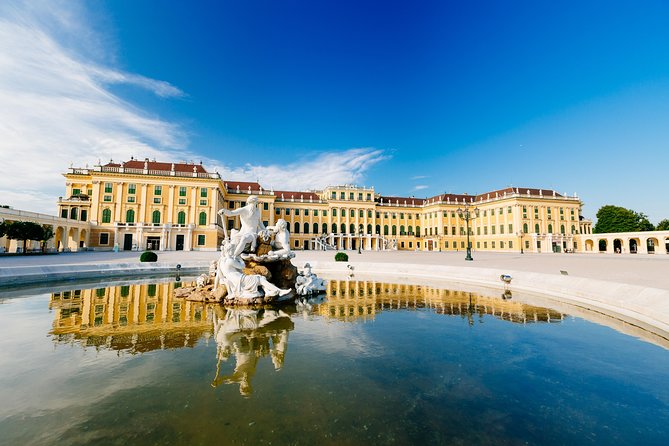
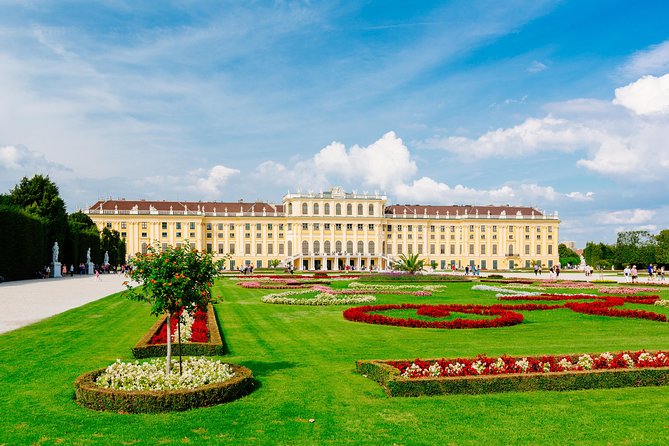
Schönbrunn Palace was the Habsburgs’ summer residence. The palace rooms require a separate admission if you want to go inside, but the grounds alone can take a large part of your day. Give yourself time for the gardens, long sightlines, and hilltop Gloriette viewpoint. The bus gets you there, but it cannot replace time on foot.
The key practical point is timing. If you leave the bus at Schönbrunn, you may need to wait for the next departure when you are ready to continue. On a 24-hour pass, avoid treating the palace as a quick photo stop. Either allow a proper visit or stay aboard and return later.
Vienna Central Station is a useful connection point, especially if you are arriving by train or staying outside the historic core. Belvedere 21, a contemporary art museum, offers a modern contrast to the formal palace route.
Belvedere Palace is one of Vienna’s signature sights. The complex is split between Upper and Lower Belvedere, with formal gardens connecting them. The Upper Belvedere is particularly known for major Austrian art, while the grounds give you an excellent view toward the city.
The Schwarzenbergplatz stop brings you close to the monument, the Soviet War Memorial, and the southern end of the Ringstrasse. It also makes a sensible walking link between Belvedere and the opera.
This route is the strongest choice for first-time visitors who want Vienna’s famous imperial sights. It is also where the bus feels most useful as transportation, since Schönbrunn and Belvedere sit well apart from one another.
The Danube and Prater route: a longer ride with bigger distances
The eastern route begins around the MAK and Stadtpark, then continues to the Johann Strauss monument and the opera before moving toward the Prater and Danube. This is the route to choose when you want to see a wider slice of Vienna beyond the Ringstrasse.
The Kunsthistorisches Museum, MuseumsQuartier, and City Hall stops make it possible to combine this route with central museums. MuseumsQuartier is a good place to pause for art, architecture, cafés, and people watching. The route then reconnects with Liebenberg-Denkmal, the Freud Museum, Votive Church, Morzinplatz, and Schwedenplatz.
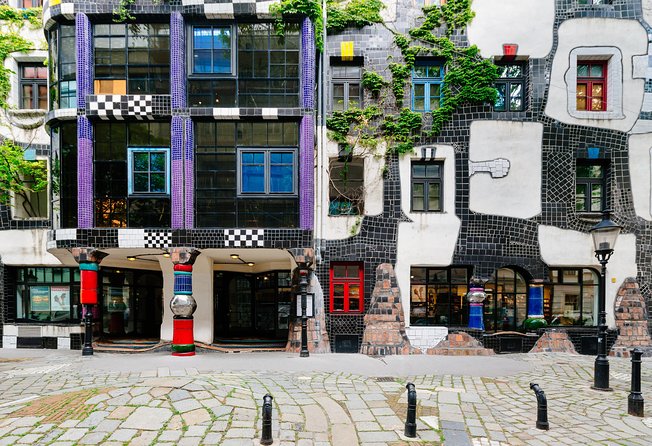
Kunst Haus Wien, Museum Hundertwasser, is one of the more unusual stops. Its playful, uneven architecture and colorful design make it very different from Vienna’s palaces and formal museums. If you enjoy modern art and distinctive buildings, this is one of the better hop-off choices.
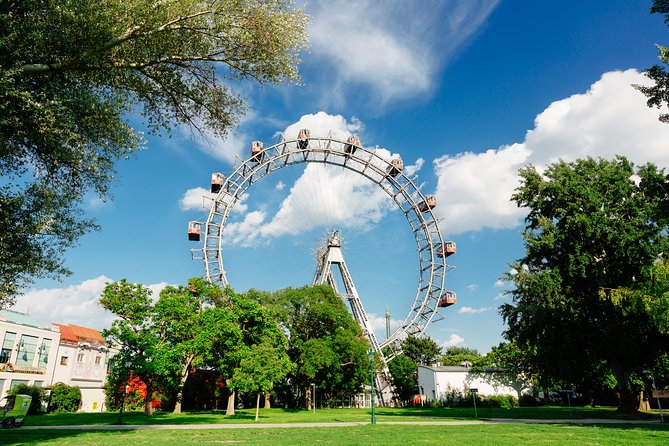
The Vienna Giant Ferris Wheel is the main Prater stop. The wheel is a classic Vienna attraction, and the surrounding Prater park offers more room to walk than the compact center. A ride on the wheel is not listed as included, so plan on a separate ticket if you choose to go up.
DDSG Blue Danube Schiffahrt connects the bus route with boat excursions, though a river cruise is not included in this experience. The stop is useful for understanding how Vienna’s waterways fit into the city, but do not assume that boarding the bus gives you a boat ride.
Danube Tower is one of the most worthwhile outer stops. It gives you a high view over Vienna and the surrounding plain. The bus makes it easier to reach than arranging a separate trip, and the tower can be a memorable reason to use the longer pass.
Alte Donau, the Vienna International Centre, and Reichsbrücke show a more modern and open side of the city. The Vienna International Centre is home to major international organizations, while Reichsbrücke crosses the Danube and offers a sense of the city’s scale.
Praterstern, Taborstraße, and Schwedenbrücke return you toward the inner districts. This route covers a lot of ground, but it is not the best choice if you have only a few hours and want to spend most of your time inside museums. Use it for broad city orientation or for specific stops such as the Ferris wheel and Danube Tower.
More Sightseeing Bus Tours in the world:
- Barcelona: City Sightseeing Hop-On Hop-Off Bus Tour
★ 4.4 · 10,061 reviews - Rome: Big Bus Hop-on, Hop-off Open-Top Sightseeing Tour
★ 4.1 · 9,537 reviews - City Sightseeing London Hop-On Hop-Off Bus & Bookable Extras
★ 4.4 · 7,374 reviews - Hamburg: Line A Sightseeing Hop-On Hop-Off Bus Tour
★ 4.6 · 6,958 reviews
The hillside route to Cobenzl
The northern route begins at the Votive Church and moves through Gartenpalais Liechtenstein, Sandgasse, Cobenzlgasse, Cobenzl Aussicht, Himmelstraße, and Spittelau before returning to the Votive Church.
Gartenpalais Liechtenstein is a refined palace stop, while the Cobenzl and Himmelstraße sections take you into Vienna’s hill country. Cobenzl Aussicht is the route’s scenic highlight, with views over the city. The ride feels less like a standard central sightseeing circuit and more like a short excursion beyond the Ringstrasse.
This is the route praised most strongly for its mountain views. It also takes longer to reach and has fewer obvious stops for a quick museum visit, so check the departure times carefully. If you have a 48- or 72-hour pass, it is much easier to fit in. With only one day, I would choose it only if the hill views matter more to you than another museum or palace interior.
Spittelau brings you back toward the city and offers a useful contrast between the hillside neighborhoods and Vienna’s urban center. The Green Line is included with the 24-, 48-, and 72-hour tickets, so you do not need a special longer pass for this route.
Commentary, comfort, and the practical weak points
The audio commentary is available in 19 languages. Newer language choices include Korean, Polish, and Serbian, alongside English and other options. The narration provides enough information to identify the main buildings and explain their place in Vienna’s story, but it is not a substitute for a personal guide.
Sound quality can vary by bus and seat. Headphone ports have not always worked, and loud conversations can make the recorded narration hard to hear. If the sound is poor, try another seat rather than giving up immediately.
The buses have generally been described as clean, and careful driving has earned strong praise. Comfort is less consistent. Seats can feel hard during a long circuit, and limited air conditioning can be unpleasant in warm weather. In cold weather, keep an eye on the upper deck conditions, and speak up if you encounter smoke or other problems.
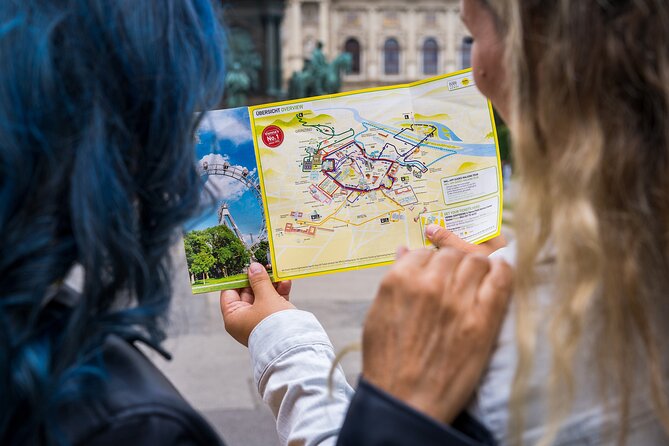
Staff help is also uneven. Ground staff can be useful, but a driver may not be the right person to answer detailed sightseeing questions. The safest approach is to study the route map before boarding and know the stop name you need.
One more practical issue is ticket redemption. Some bookings require an exchange before you can use the pass, and the exchange point is not always obvious. Confirmation arrives at booking, and the experience allows service animals and is near public transportation, but you should still identify the ticket point before setting out.
Is $42.13 a good value?
At $42.13 per person, the 24-hour option is fair if you use it for several rides and reach at least one outlying sight. The value improves with the 48- or 72-hour choices if the longer durations are priced reasonably at booking, since you gain time to visit Schönbrunn, Belvedere, the Prater, Danube Tower, and the northern hills without cramming them together.
The pass is less useful if you only want one continuous circuit. A normal public transport ticket may be better for simple point-to-point movement, but this bus adds sightseeing commentary and direct access to major tourist stops.
I would think of the ticket as a flexible transport plan with narration. It works best when you use it to connect distant areas, not when you expect a bus to arrive immediately at every stop.
Who should book this Vienna tour?
I would choose it for a first visit, especially if you want a quick overview before deciding which museums and palaces deserve your time. It also suits visitors who prefer not to manage several tram connections or who want an easy ride to Schönbrunn, Belvedere, the Prater, or Cobenzl.
Families and older visitors may appreciate the reduced walking between far-flung sights. The self-guided music tour is a nice bonus for anyone interested in Vienna’s composers, though it requires you to explore on foot after downloading or accessing the audio files.
I would be cautious if you have only a few hours in Vienna. Long waits can consume the day, and the recorded narration will not satisfy anyone looking for a lively personal guide. Plan your first route in advance, confirm where to exchange the voucher if required, and leave time for delays.
Should you book it?
Book this tour if you want a broad view of Vienna and plan to make several stops over at least 24 hours. The palace route and Danube route offer the best payoff, while the hillside trip is a worthwhile extra with a longer pass.
Skip it if your visit centers on a small group of central sights that you can easily reach on foot. The tour’s strengths are its coverage, flexibility, clean buses, and useful commentary. Its weak points are irregular waits, occasional audio or comfort problems, and the lack of a live guide.
Free cancellation is available up to 24 hours before the start time. Inside that window, changes and refunds are not accepted.
FAQ
How long is the Vienna Hop On Hop Off City Tour?
A complete sightseeing ride takes about two hours, but your ticket remains valid for 24, 48, or 72 hours, depending on the option selected.
Where can I begin the tour?
You can board at any stop on the itinerary. The Vienna State Opera is one of the listed stops and a central place to begin.
Which Vienna sights are included on the routes?
The routes include the Vienna State Opera, Kunsthistorisches Museum, Schönbrunn Palace, Belvedere Palace, MuseumsQuartier, City Hall, the Prater Ferris Wheel, Danube Tower, the Vienna International Centre, and northern hillside stops around Cobenzl.
Is the Green Line included?
Yes. The Green Line is included with the 24-hour, 48-hour, and 72-hour ticket options.
What languages are available for the audio commentary?
The recorded commentary is available in 19 languages. The listed newer choices include Korean, Polish, and Serbian.
Is a live guide included?
No. The tour uses recorded audio commentary rather than a live guide.
What happens if I need to cancel?
You can cancel for a full refund at least 24 hours before the experience start time. Cancellations or changes made less than 24 hours before the start time are not accepted and are not refunded.
Recently added around the world
- Vine Hopper: Hop-On Hop-Off Wine Tour – Northern Route★ 4.5 · 62 reviews
- Vine Hopper: Hop-On Hop-Off Wine Tour – Southern Route★ 4.5 · 64 reviews
- Xi’an 1-Day Coach Tour of Terracotta Army★ 4.5 · 47 reviews
- Xi’an: Terracotta Army Mini-Bus Tour with Options★ 5.0 · 240 reviews
- Warsaw City Sightseeing in a Retro Bus★ 5.0 · 196 reviews
- Valletta: Sunday Vintage Bus to Marsaxlokk★ 4.1 · 117 reviews
- From Stellenbosch: Hop-On Hop-Off Wine Tour Southern Route★ 4.7 · 105 reviews
- Malta: Vintage Bus Ride through the Three Cities★ 4.1 · 112 reviews
Hop-On Hop-Off Bus Tours, compared.
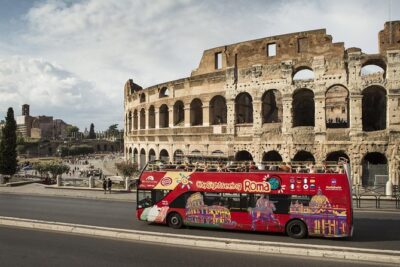
City Sightseeing Hop-on Hop-off Bus with Audioguide
Read our review →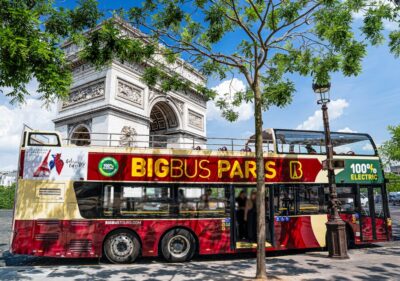
Tootbus Hop-on Hop-off (Optional River Cruise)
Read our review →Big Bus Hop-On Hop-Off Tour with Optional Cruise
Read our review →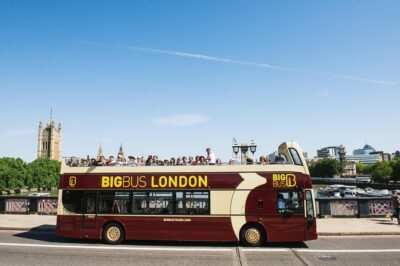
London Big Bus Hop-On Hop-Off Tour with Optional River Cruise
Read our review →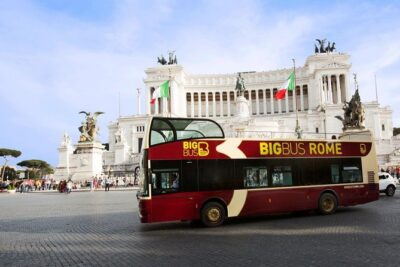
Big Bus Hop-on, Hop-off Open-Top Sightseeing Tour
Read our review →
Browse the lists this tour appears in