
Review · MALTA BUS TOURS
COMBO: Heritage Pass with Hop-On Hop-Off Bus (CMO)
Malta’s story is packed into a surprisingly small island, and this pass gives you several ways to follow it. You can tour Valletta’s forts in the morning, ride the bus to an archaeological site, then see the Grand Harbour from the water. I especially like the 20-plus included heritage sites and the six days of unlimited bus travel, which give you time to explore without rushing from museum to museum.
I also like the harbor cruise. It shows you the fortifications and creeks of Valletta and the Three Cities from the angle that makes Malta’s defenses easiest to understand. The main caution is the bus service: waits can stretch to 45 minutes, buses may run only about once an hour, and there is no way to track the next vehicle.
Key points at a glance
- Six days from activation: Use the pass over six calendar days, not just on the day you first buy it.
- More than 20 historic sites: One-time entry covers forts, museums, temples, catacombs, and palaces.
- Two bus routes included: City Sightseeing Malta’s North and South Routes connect many sites, though service can be limited outside peak periods.
- A 90-minute harbor cruise: Hear live commentary in English and German while circling Marsamxetto Harbour and the Grand Harbour.
- A strong history focus: Fort St. Elmo, Fort St. Angelo, the Inquisitor’s Palace, ancient temples, and Malta’s museums all fit under one pass.
- Plan around activation and bus timing: Confirm that your QR codes are active before setting off, and leave generous time between stops.
Six days to connect Malta’s big historical chapters

This is not a single guided tour with a fixed route. It is a flexible sightseeing pass built around three parts: heritage-site admission, hop-on hop-off buses, and a harbor cruise.
That arrangement suits Malta well. The island’s attractions cover thousands of years, from prehistoric temples to military forts and modern national collections. You can use the pass for a focused day in Valletta, a second day around the Three Cities, and later days for sites farther out.
The pass costs $94 per person. Its value depends on how actively you use it. If you visit only two or three museums and take one bus ride, it is hard to justify. If you enter several sites, use the buses repeatedly, and take the cruise, the math becomes much more favorable.
I would plan for at least four or five paid entries during the six days, then add the cruise and several bus journeys. The pass is most useful for someone who wants to see Malta’s history in detail, not someone looking for a quick panoramic ride.
More Hop-On Hop-Off Bus Tours in Malta
- Malta: Hop-On Hop-Off Bus Tours
★ 4.0 · 2,041 reviews - Gozo: City Sightseeing Hop-On Hop-Off Bus Tour
★ 4.2 · 1,117 reviews - Malta: City Sightseeing HOHO Bus Tour & Optional Boat Tour
★ 3.4 · 1,021 reviews
Valletta’s forts and museums
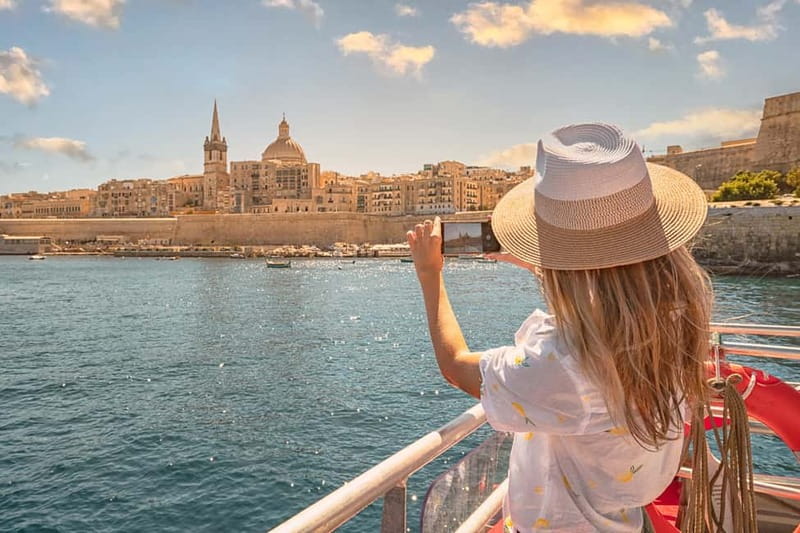
Start in Valletta, where several of the included sites sit close enough to combine on foot. The National War Museum at Fort St. Elmo is the obvious first stop for Malta’s military story.
Fort St. Elmo occupies the tip of Valletta and looks across the harbors. The museum focuses on Malta’s wartime past, including the island’s role during the two Great Sieges of 1565 and 1942. You get more from the visit if you also take the harbor cruise, since the water gives you a clear view of why this position mattered.
The Fortification Interpretation Centre, also called The Fortress Builders, helps explain how Malta’s defensive walls were designed and built. It is useful before or after walking Valletta’s battlements. You can look at the walls as dramatic stone scenery, or you can understand them as part of a carefully planned defense system.
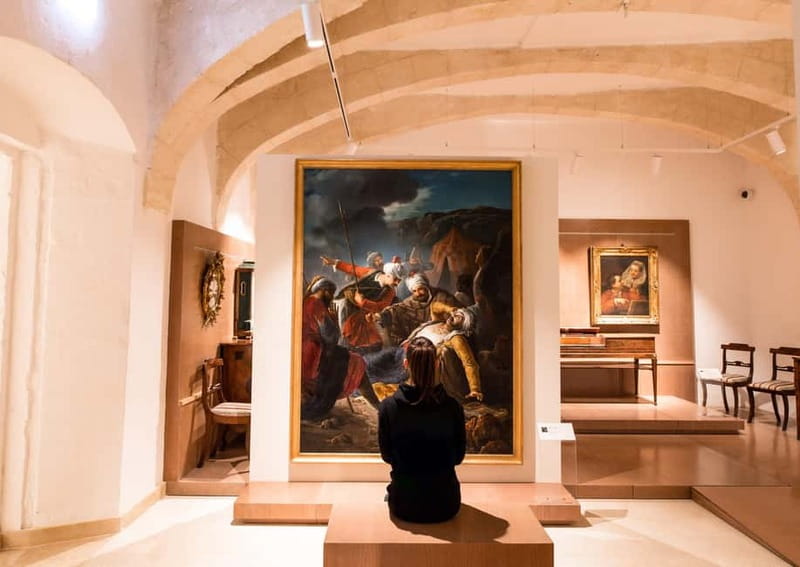
MUŻA, the Malta National Community Art Museum, provides a change of pace. The pass is not limited to military sites and archaeology. This museum gives you a look at Malta through art and community collections, making it a good counterpoint to the forts and weaponry.
The National Museum of Archaeology is another important Valletta stop. It helps place Malta’s prehistoric temples in context, especially if you plan to visit Ħaġar Qim, Mnajdra, Ta’ Ħaġrat, Ta’ Skorba, or Tarxien later in the week.
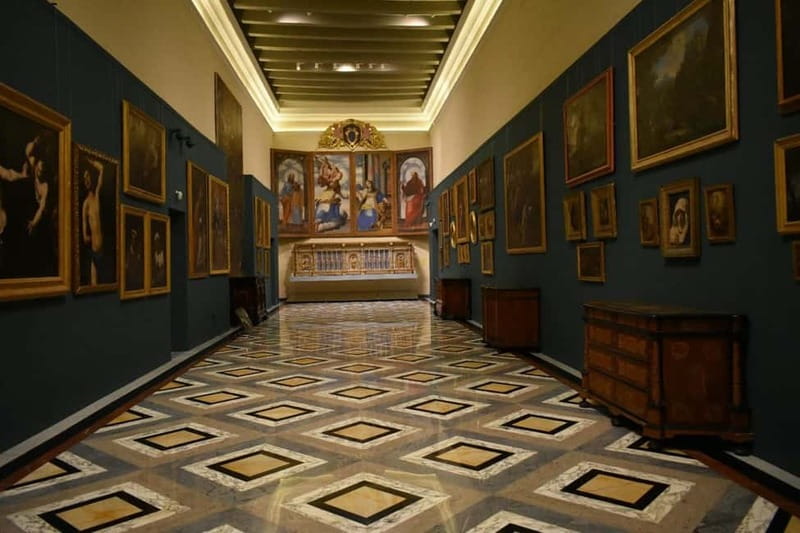
You will also find the Palace Armoury and the Palace State Rooms among the included sites. These visits work well together. The armoury focuses on military equipment, while the state rooms show the formal side of Malta’s ruling past. Check the order of your day carefully, since the pass gives entry but does not remove the need to manage opening times and transport.
Seeing the Three Cities from land and water
The harbor cruise is one of the most useful parts of the package because several fortifications make more sense from the water.
The 90-minute route passes through the two natural harbors on either side of Valletta: Marsamxetto Harbour and the Grand Harbour. Live commentary is provided in English and German. You hear about the Great Sieges, the forts, the battlements, and waterfront areas that are difficult to appreciate from street level.
The cruise is not just a scenic extra. Valletta’s walls were built to control access by sea, and the Three Cities were part of that defensive story. From the boat, you can see how the harbors, creeks, and fortifications fit together.
Fort St. Angelo is one of the key stops in the Three Cities area. Its position gives it a strong connection to Malta’s military past, and it pairs naturally with Fort St. Elmo. The Inquisitor’s Palace offers a different view of the island’s religious and administrative history.
The Malta Maritime Museum is another good choice in this area. It adds context to Malta as a seafaring crossroads and makes sense after the cruise. I would group the museum, Fort St. Angelo, and the harbor ride into one broad theme, but avoid trying to force them into a single rushed morning.
The boat is also a practical way to rest your feet. Six days of forts, steps, stone streets, and archaeological grounds can wear you down. Use the cruise as both sightseeing and a break from walking.
The ancient temples and prehistoric Malta
Several included sites reach far beyond the medieval and modern history most people associate with Valletta. The prehistoric temples are among the pass’s strongest attractions.
Ħaġar Qim and Mnajdra sit near one another and make a natural pair. Their huge limestone blocks and carefully arranged chambers show the skill of Malta’s early builders. The sites are valuable because they give you a physical connection to a period long before the forts and palaces.
Ta’ Ħaġrat and Ta’ Skorba offer another look at Malta’s prehistoric temple culture. They are smaller, more focused stops, and they work well on a day when you are already using the South Route or planning visits outside Valletta.
Tarxien Temples are another major archaeological stop. The remains help show how Malta’s temple tradition developed, while the National Museum of Archaeology in Valletta gives you the broader background.
The pass also includes Borġ in-Nadur. Its presence adds another layer to the prehistoric and early settlement story. You will get more from these sites if you avoid treating each one as a quick photo stop. A few minutes at an exposed stone ruin can feel spare, but the pattern across several sites becomes much clearer.
Bring comfortable shoes and cash. The shoe advice matters because several days of sightseeing involve uneven surfaces, stone paving, and long walks between stops. Cash is useful for small personal expenses, even though food and drinks are not included.
Same city, a different seat on a different deck:
- From Sliema: Gozo, Comino & The Blue Lagoon Boat & Bus Tour
★ 4.4 · 1,931 reviews - Valletta: Vintage Bus to Valletta, Sliema, Rabat & Mdina
★ 4.1 · 433 reviews - City Sightseeing Gozo Hop-On Hop-Off Bus Tour
★ 3.0 · 315 reviews - Gozo Sightseeing Hop On Hop Off Tour
★ 3.8 · 192 reviews
Catacombs, caves, and Malta below ground
The pass includes several sites that move the story underground.
Ta’ Bistra Catacombs and St. Paul’s Catacombs show how burial practices shaped Malta’s built environment. Catacombs are quieter and more atmospheric than the large museums, but they can also be less immediately readable. Take your time with the layout and look for the details that explain how the spaces were used.
Għar Dalam offers a different kind of underground and natural history. It connects Malta’s past to the earliest people and animals associated with the island. It makes a good change from fortifications and churches, especially for anyone who wants the pass to cover more than military history.
Domvs Romana adds a Roman chapter. Its remains and decorative details help bridge the gap between prehistoric Malta and the later medieval and early modern periods.
These sites also show why the six-day validity matters. You do not need to cram every museum and ruin into two days. A slower schedule lets you see the difference between a catacomb, a Roman house, a temple complex, and a military fort instead of blending them into one long sequence of stone walls.
How the hop-on hop-off buses work in practice
The City Sightseeing Malta buses cover North and South Routes, and unlimited use is included for all six days. Many of the heritage sites are within walking distance of bus stops, which makes the pass more useful than a simple museum card.
The buses can help you connect areas that would otherwise require separate transport planning. You can ride for orientation, get off near a heritage site, and continue later without paying for another sightseeing ticket.
But do not treat the bus schedule like a city metro. Buses may run only once an hour, especially outside peak season. Delays of up to 45 minutes have occurred, and drivers may make a food stop even when the service is already running late. There is also no live tracking system, so you may have no clear way to know when the next bus will appear.
That changes how I would use the pass. Avoid building a tightly timed itinerary around a single bus connection. Give yourself a wide margin before a museum closing time, a cruise departure, or an important reservation.
The buses are best for broad connections and sightseeing, not for precision. If you have just missed one, you may need to wait rather than immediately catch the next vehicle. Use the time to explore the nearby area on foot when possible.
Outside peak season, the limited frequency matters even more. The pass can still save money, but the buses may not let you cover as much ground in one day as the map suggests.
Making the QR code and activation work
The pass is valid for six days from activation. That sounds simple, but you should confirm exactly when the clock starts before using it for a short first outing.
The booking process provides QR codes, and communication may arrive through WhatsApp rather than a detailed email packet. Before visiting your first museum, make sure the code is recognized and the pass is active. If a ticket desk says it has not been activated, ask staff to check it rather than moving on and losing time.
A helpful staff member at Sliema Harbour has been able to sort out activation and ticket problems, including codes that stopped working on the final day. That is useful, but I would still save the QR codes on your phone and keep any booking information easy to find.
This is one area where a little preparation pays off. Take screenshots in case your connection is weak, and check the pass at the first attraction rather than waiting until the end of your trip.
Who gets the best value from the $94 price
At $94, this is not an automatic bargain. You need to use the package.
The strongest value goes to someone staying in Malta for six days who plans to visit a mixture of major museums, forts, archaeological sites, and the Three Cities. The one-time entries add up quickly if you visit many of the included locations, and the unlimited bus rides remove the need to buy separate sightseeing tickets.
The pass also works well for people who prefer a loose plan. You can choose a few sites each day and leave room for the cruise, lunch, or a slow walk along the fortifications.
It is a weaker choice for a short stay, a beach-centered holiday, or anyone who dislikes waiting for buses. You might pay for access you do not use. It is also less appealing if you plan to rely on exact departure times.
I would make a list before buying. Mark the sites you truly want to see, then add the cruise and likely bus use. If your list includes Fort St. Elmo, the National Museum of Archaeology, MUŻA, Fort St. Angelo, the Palace sites, several temples, and the catacombs, the price begins to look sensible.
How I would plan the six days
I would begin with Valletta. Visit the National Museum of Archaeology, the National War Museum at Fort St. Elmo, the Fortification Interpretation Centre, MUŻA, and one or both Palace sites. Do not force all of them into one day if you want time to read and look closely.
On another day, use the cruise and explore the Three Cities. Add Fort St. Angelo, the Inquisitor’s Palace, and the Malta Maritime Museum. The water route will give you a better frame for the forts before or after your land visits.
Set aside a day for Ħaġar Qim and Mnajdra, then use another for Ta’ Ħaġrat, Ta’ Skorba, Tarxien, or Borġ in-Nadur. The exact order depends on bus timing, so keep the plan flexible.
Use a further day for Domvs Romana, Għar Dalam, and the catacombs. The final day can be a spare day for anything missed, a second look at Valletta, or a slower ride on the North or South Route.
That plan is only a framework. The point is to avoid spending six days in a queue for buses while trying to reach too many far-flung sites in one afternoon.
What to bring and what not to expect
Bring comfortable shoes, a camera, and cash. The shoes are essential for Malta’s stone streets, forts, archaeological sites, and catacombs. A camera is worthwhile for the harbor views and fortifications, though the real value is understanding how the sites relate to one another.
Meals and drinks are not included, so budget for them separately. Hotel pickup and drop-off are also not included, and there is no listed meeting point for the package as a whole.
The activity is wheelchair accessible, but individual site conditions can vary. The supplied information confirms accessibility for the activity, not the details of every fort, catacomb, temple, or bus stop, so ask before planning a route around a particular attraction.
Cancellation is flexible up to 24 hours in advance for a full refund, and you can reserve now and pay later. Those terms are useful if your schedule is still moving, but they do not solve the bus frequency issue once you are in Malta.
Should you book the Heritage Pass?
Book it if you want a serious look at Malta’s forts, museums, temples, catacombs, and harbor defenses, and you can give the pass several days of active use. The cruise is a strong addition, and the site list is broad enough to support a full history-focused visit.
Skip it if you want a tightly timed transport service, plan to visit only a few attractions, or expect buses to arrive every 15 minutes. The pass offers good potential value, but you need patience, flexible planning, and an early check of your QR code.
My practical verdict: use the pass as a six-day history tool, not as a guaranteed transport timetable. With that mindset, the combination of Valletta’s walls, the Three Cities, prehistoric temples, underground burial sites, and the harbor cruise can give you a well-rounded picture of Malta for one bundled price.
FAQ
How long is the Heritage Pass valid?
The pass is valid for six days from activation.
What is included in the bus portion of the pass?
You receive unlimited use of the City Sightseeing Malta Hop-On Hop-Off buses on the North and South Routes for the six-day validity period.
How many heritage sites are included?
The pass includes free one-time entry to more than 20 heritage sites in Malta.
Is the harbor cruise included?
Yes. A 90-minute traditional harbor cruise is included, with live commentary in English and German.
Which harbors does the cruise visit?
The cruise goes around Marsamxetto Harbour and the Grand Harbour, with views of Valletta and the Three Cities.
Are meals and drinks included?
No. Meals and drinks are not included.
Can I cancel the booking?
You can cancel up to 24 hours in advance for a full refund. You can also reserve now and pay later.
More history along the route around Malta
- Prague: Historic City Center Bus Tour with Top Sights
★ 4.4 · 2,360 reviews - 2-Hour Gettysburg Battlefield Guided History Bus Tour with a National Park Guide
★ 4.5 · 2,201 reviews - Top Rated Brooklyn Half-Day Food, History & Culture Tour via bus
★ 5.0 · 758 reviews - Charleston: Historic City Highlights Guided Bus Tour
★ 4.6 · 719 reviews
Recently added around Malta
- Sliema: Gozo Full Day with Opentop Bus and Comino Caves★ 5.0 · 2 reviews
- St. Paul’s Bay: Blue Lagoon, Comino & Gozo with Bus Tour★ 4.6 · 142 reviews
- Vintage Bus: Mdina, Clapham Junction, Buskett, Dingli Cliffs★ 3.8 · 50 reviews
- Malta: Private Chauffeur-Driven Vintage Bus★ 4.5 · 4 reviews
- Malta: 2-Day Hop-On Hop-Off Bus & Harbour Cruise (CMO)★ 4.1 · 12 reviews
- iSeeGozo Day Pass with Ferry & Gozo Bus Hop-On Hop-Off (CMO)★ 3.6 · 10 reviews
- Hop-On Hop-Off Bus Malta (North and South Routes – CMO)★ 3.1 · 19 reviews
- Gozo Day Pass Ferry and Hop-on Hop-off buses with audio Tour★ 3.0 · 19 reviews
Hop-On Hop-Off Bus Tours, compared.

City Sightseeing Hop-on Hop-off Bus with Audioguide
Read our review →
Tootbus Hop-on Hop-off (Optional River Cruise)
Read our review →Big Bus Hop-On Hop-Off Tour with Optional Cruise
Read our review →
London Big Bus Hop-On Hop-Off Tour with Optional River Cruise
Read our review →
Big Bus Hop-on, Hop-off Open-Top Sightseeing Tour
Read our review →
Browse the lists this tour appears in