
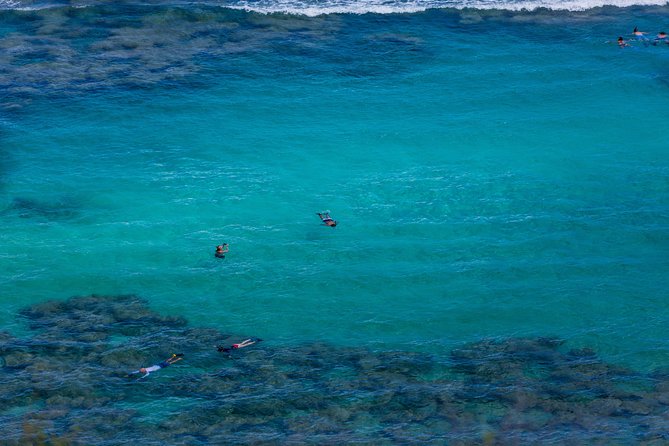
Review · OAHU BUS TOURS
Waikiki Trolley Hop-On Hop-Off Tour of Honolulu
Honolulu’s trolley is most useful when you want to see a lot without renting a car. One ride can take you from Waikiki’s beaches to Diamond Head, Chinatown, the state capitol, and ocean overlooks, while the open-air vehicles let you feel the island air. I like the flexible pass choices and the chance to build your own day. I also like the local narration, especially when drivers such as Sam, Oli, Duke, Tyler, and Tim add history, humor, and practical advice.
The main catch is timing. Blue Line service is advertised at about 40-minute intervals, but waits can run longer, and popular departures may be full. If you need a seat, arrive early. The all-line pass offers the most freedom, but switching routes may require returning to Waikiki.
Key points at a glance
- Start at Waikiki Shopping Plaza: The main ticket point is at 320 Royal Hawaiian Avenue, across from Waikiki Shopping Plaza.
- Choose your level of freedom: Passes are available for one, four, or seven days, with single-line and all-five-line options.
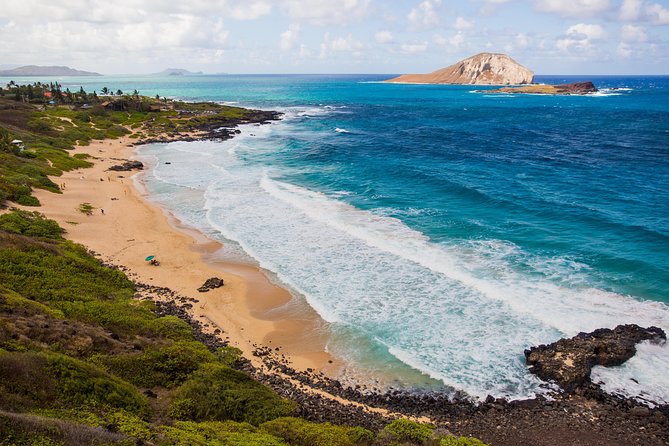
- Take the Blue Line for scenery: The east-side route reaches Diamond Head, Halona Blow Hole, Koko Marina, and Sea Life Park.
- Take the Red Line for Honolulu history: Chinatown, Iolani Palace, the state capitol, King Kamehameha’s statue, and Aloha Tower all fit this route.
- Plan around capacity: Some buses fill quickly, and waits can exceed the advertised interval during busy periods.
- Admissions cost extra: The trolley gets you near attractions, but entry fees, food, drinks, and hotel transport are not included.
Why the Honolulu trolley can save you a rental car
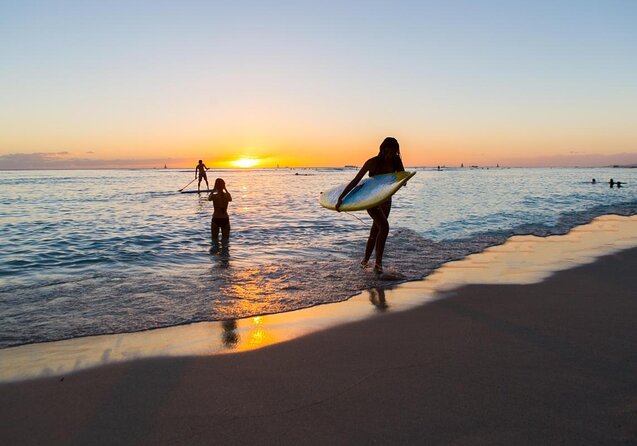
Waikiki is easy enough to walk, but Honolulu spreads out once you leave the hotel strip. Diamond Head, Chinatown, the Hawaii State Capitol, Ala Moana, and the east-coast viewpoints are not all convenient on foot. Parking can also turn a simple sightseeing day into a search for an open space.
That is where this trolley earns its keep. You can board near Waikiki, let the driver handle traffic, and step off when something catches your eye. You are not locked into a guide’s timetable, and you do not have to spend a day behind the wheel.
The pass costs $22 per person at the advertised starting price, though the exact cost depends on the pass selected. A one-day pass makes sense if you want an orientation ride and a few carefully chosen stops. A four- or seven-day pass can pay off if you plan to use the trolley as transportation, not just as a sightseeing loop.
I would not buy the longest pass simply because it sounds like the best deal. Waikiki has many walkable areas, and some stops are mainly useful for nearby hotels or shopping. Buy extra days only if you expect to return to attractions, use several routes, or avoid taxis and car rental.
More Hop-On Hop-Off Bus Tours in the USA
- Savannah Hop-On Hop-Off Trolley Tour
★ 4.5 · 6,527 reviews - New York: Hop-on Hop-off Sightseeing Tour by Open-top Bus
★ 4.2 · 5,863 reviews - Boston Hop-On Hop-Off Trolley Tour with 13 Stops
★ 4.5 · 5,576 reviews
Begin at Waikiki Shopping Plaza
The listed ticket redemption point is 320 Royal Hawaiian Avenue, across from Waikiki Shopping Plaza. This is also the starting point for several routes, so it is the place to get oriented before committing to a full day.
One practical detail matters here: have your ticket ready and allow time to find the correct boarding point. A few passengers have had trouble converting a purchase into a usable ticket, while others found the mobile app easier than collecting a ticket in person. The safest approach is to check your voucher instructions before you arrive.
The Duke Paoa Kahanamoku Statue is another important stop near the beginning of several routes. Duke was an Olympic swimmer and one of Hawaii’s best-known ambassadors for surfing. The statue sits beside the beach, making this a useful place to begin with a short walk, photographs, or a look at Waikiki’s shoreline.
The trolley vehicles vary by route. You may ride an open-air trolley or a double-decker bus. Wear comfortable clothing, keep a shirt or cover-up and footwear on board, and bring protection from sun and rain. Food, drinks, and smoking are not allowed inside.
Blue Line: Diamond Head and the east-side views
The Blue Line is the scenic choice. It heads east from Waikiki toward the Honolulu Zoo, Waikiki Aquarium, Kahala, Diamond Head, and the coast beyond. The ride gives you a useful first look at the area before you decide where to spend more time.
The Honolulu Zoo is a practical stop for families or anyone who wants a break from the beach. The Waikiki Aquarium is close by and offers another easy stop, though admission is separate from the trolley pass.
Kahala Mall provides shopping and food options away from central Waikiki. It is less about sightseeing than convenience, but it can be useful if you need groceries, a meal, or a break from the main hotel district.
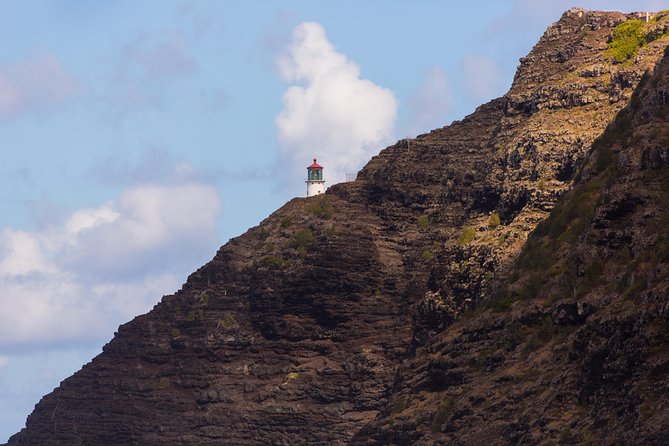
The route becomes more scenic as it reaches Halona Blow Hole. This coastal viewpoint is one of the strongest reasons to take the Blue Line. You will see dramatic shoreline scenery and may catch water shooting through the rock when conditions cooperate. Since the trolley schedule can be spaced out, check the next departure before walking away from the stop.
Sea Life Park and Koko Marina Center extend the ride farther east. Sea Life Park is an attraction requiring its own admission. Koko Marina is better for a meal, shopping, or a relaxed pause near the water.
On the return portion, stops such as Diamond Head Market and Grill, Aloha Pineapple Cafe, Rainbow Drive-In, and Local Foods give you a chance to eat at places connected with everyday Honolulu rather than staying inside the hotel zone. Food is not included, so these are useful places to plan your own stop.
Diamond Head Crater is the major Blue Line highlight, but the trolley pass does not include admission or any hike. One complaint arose from assuming access to the crater was part of the ride. It is not. You are paying for transportation and narration, then handling any entry arrangements separately.
The route can be busy. Blue Line vehicles run about every 40 minutes according to the stated schedule, but actual waits may be longer. A full trolley may pass without taking new passengers. Arrive early, especially if you want an open-air seat or are traveling with children.
Red Line: Honolulu’s civic center and Chinatown
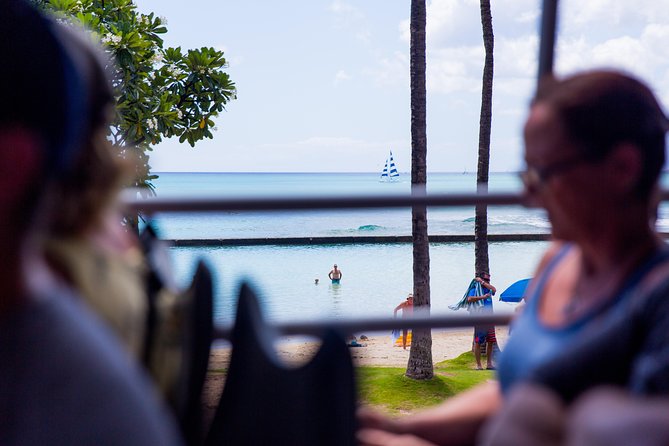
The Red Line is the best route for city history. It leaves Waikiki and heads through downtown Honolulu, where the stops are less about beaches and more about government, culture, religion, food, and the story of the city.
The Honolulu Museum of Art is a strong stop for anyone interested in painting, sculpture, and Pacific culture. It is closed Mondays through Wednesdays, so check your day before planning around it. Admission is not included.
The Hawaii State Capitol and Iolani Palace sit near one another and make a natural pair. Iolani Palace is especially important because it was the official residence of Hawaii’s monarchy. The King Kamehameha Statue is another worthwhile stop, with the famous figure standing near Aliiolani Hale.
Punchbowl Crater and the National Memorial Cemetery of the Pacific offer a quieter part of the route. The crater is a striking volcanic feature, while the cemetery is a major memorial site. Treat this stop with respect and allow time for the setting rather than rushing through it.
Foster Botanical Garden gives you a chance to trade downtown streets for plants and open space. Izumo Taishakyo Mission of Hawaii and Royal Kitchen add different cultural and food-related possibilities to the route.
Chinatown and the nearby Hawaii Theatre are central stops, but I would plan this part of the route carefully. The area can feel rougher and less polished than Waikiki, with visible homelessness, litter, and unpleasant smells in some blocks. That does not erase its cultural importance, but you should know what kind of stop it is. Ask the driver what is open and where the return boarding point is before you get off.
The route continues to Aloha Tower Marketplace, where you can look toward Honolulu Harbor and learn about the tower’s role in the city’s past. SALT at Our Kakaako and Ward Centre provide modern shopping and food stops. Ala Moana Regional Park is the final listed stop on this route and offers a change of pace near the water.
The Red Line depends heavily on the driver’s narration. Sam has been especially entertaining, mixing city history with humor. Duke has also provided engaging explanations of Honolulu’s people, culture, and landmarks. This is the line I would choose if you want context rather than simply a ride past buildings.
Same city, a different seat on a different deck:
- Grand Canyon West Bus Tour with Hoover Dam and Optional Skywalk
★ 4.0 · 7,224 reviews - Muir Woods and Sausalito (Return by Bus or Ferry)
★ 4.5 · 5,098 reviews - New Orleans City Sightseeing Hop-On Hop-Off Bus Tour
★ 4.5 · 4,943 reviews - Big Bus NYC: Hop-On Hop-Off Sightseeing Tour by Open-top Bus
★ 3.5 · 4,762 reviews
Waikiki, Ala Moana, and the shorter connector routes
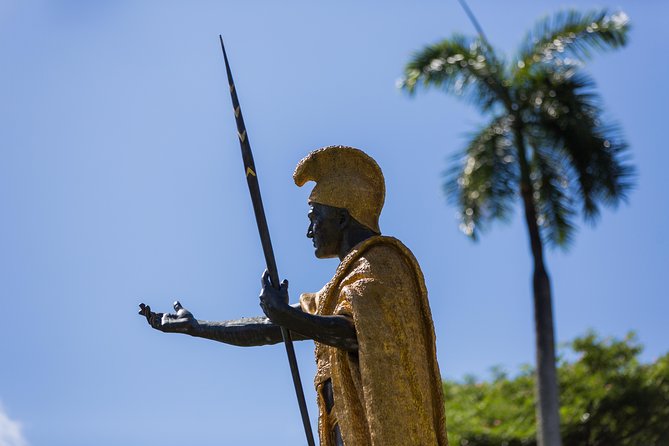
Not every trolley ride is a major sightseeing outing. Some routes are mainly useful for moving around Waikiki and reaching Ala Moana Center.
Stops include the Twin Fin Hotel, Hilton Waikiki Beach Resort, Marugame Udon, Courtyard by Marriott Waikiki Beach, Hotel La Croix, and several Hilton and Aqua properties. These stops matter most if your hotel is nearby or you want an easy ride to restaurants and shopping.
The route reaches Ala Moana Center on the ocean side, then continues to Ilikai Hotel, Hale Koa Hotel, and Ka La’i Waikiki Beach. Ala Moana is a major shopping and dining stop, while Ala Moana Regional Park gives you open space and a break from retail.
The Pink Line is particularly useful as a Waikiki and Ala Moana connector. It can also help with practical errands, including a grocery stop at Foodland. Do not expect every ride to feel like a tour. Some portions are simply transportation, which can be exactly what you need after a long walk or a day in the sun.
These shorter routes are also where walking may compete with the trolley. If you are staying near Waikiki Shopping Plaza, the Duke statue, the beach, and Ala Moana, compare the walking time with the wait for the next vehicle. The trolley becomes more valuable when heat, luggage, tired legs, or mobility needs make walking less appealing.
Green Line: Diamond Head and the KCC Farmers’ Market
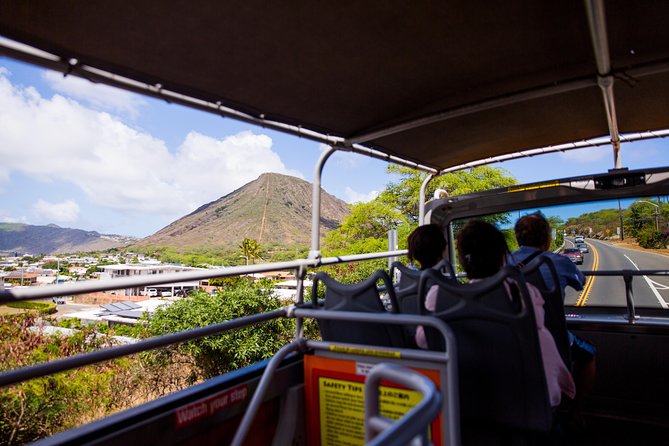
The Green Line includes Waikiki stops, Diamond Head Crater, and the KCC Farmers’ Market. The market stop operates on Saturdays only, so this route is most useful when your schedule matches the market day.
The KCC Farmers’ Market can turn the trolley into a food-focused outing, but remember that purchases are your responsibility. The pass only covers the ride.
The Diamond Head stop is convenient for anyone who wants to combine a beach stay with one of Oahu’s best-known volcanic sites. Again, the trolley does not include crater admission or the hike. If you want to walk inside the crater, confirm the separate entry details before setting out.
One important warning: confirm that your chosen route is operating on the date and time you intend to use it. A ticket sold for a line that has already stopped running creates a bad start to the day, and the stated cancellation terms are strict.
What the narration adds to the ride
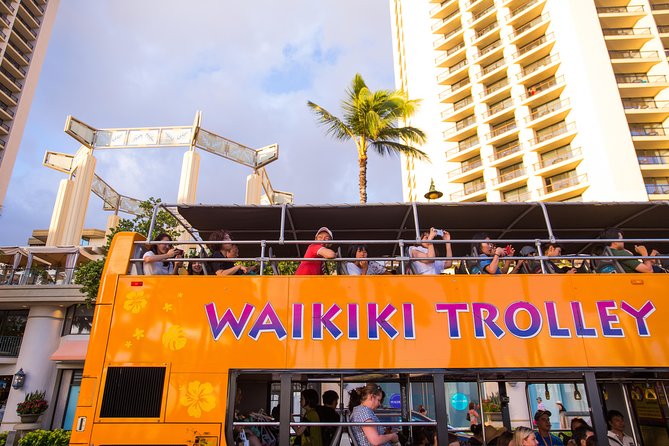
The trolley is not only a shuttle. The drivers provide the part of the experience you cannot get from a map. Tyler and Tim have been praised for handling traffic while adding useful commentary. Oli has led the Blue Line with a mix of information and humor, and Tony has provided a clear account of Oahu’s past.
That personal element matters most on the Red and Blue lines. On the Red Line, the driver can help connect the state buildings, royal sites, harbor, Chinatown, and modern Kakaako. On the Blue Line, narration helps you understand what you are seeing as the coast opens up.
Still, the quality of the ride can depend on the person behind the wheel. Some drivers offer lively stories, while other sections may feel like a simple ride past buildings. If the narration is important to you, sit where you can hear clearly and consider riding the full loop before choosing where to get off.
Crowds, delays, and comfort
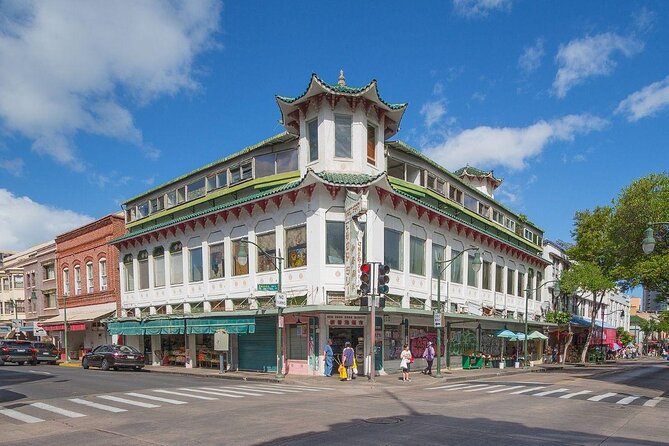
The biggest practical weakness is capacity. During busy periods, some vehicles are standing-room only. At times, a trolley has been too full to collect people waiting at a stop. That is frustrating if you have paid for a scenic ride and expected a guaranteed seat.
Arrive early at the first stop for the route you want. This is especially important for the Blue Line, where the next vehicle may be 40 minutes away or more. If you are using an all-line pass, build extra time into your day because changing routes may require returning to the central Waikiki area.
Rain can also affect comfort. The pink vehicle coverings have been reported to leak during wet weather. Keep expectations practical: this is open-air island transportation, not a sealed luxury coach.
Baggage must fit within 24 by 18 by 12 inches and stay on your lap. Foldable strollers, boogie boards, and other items cannot block another seat or stick into the aisle. Service animals are allowed, and most people can participate, but you cannot stand in the stairwell while the vehicle is moving.
Who will get the most value
I would recommend this trolley to you if you want a first look at Honolulu, dislike driving, or need a flexible way to reach several far-apart sights. It is also useful for solo visitors who want to explore without planning every bus connection, and for families who prefer to step off when children need a break.
It works well as a one-day orientation. Ride the Blue Line for the coast, the Red Line for city history, and then decide which stops deserve more of your time. A four- or seven-day pass is more useful if you are staying near Waikiki and plan to use the trolley repeatedly for shopping, meals, beaches, and sightseeing.
I would hesitate if your schedule is tight and you need precise departure times. Delays and full vehicles can disrupt a carefully timed day. I would also hesitate if nearly everything you want is within walking distance of your Waikiki hotel.
Should you book the Honolulu trolley?
Book it if you want an easy, flexible introduction to Oahu without renting a car. Choose the Blue Line for Diamond Head and coastal scenery, the Red Line for Honolulu’s major civic and historic sights, and an all-line pass if you plan to combine both with Waikiki and Ala Moana routes.
Choose one day if you mainly want orientation. Choose four or seven days only when you will use the trolley as regular transportation. Arrive early, confirm route operating times, budget separately for admissions, and do not assume Chinatown or Diamond Head will suit every visitor.
The trolley is not perfect, but it handles the hard part: getting you around Honolulu while a local driver fills in the story. At $22 per person to start, it can be good value when it replaces a rental car, parking fees, and several taxi rides.
FAQ
Where does the Honolulu trolley tour start?
The ticket redemption point is at 320 Royal Hawaiian Avenue, across from Waikiki Shopping Plaza in Honolulu.
How long is the tour?
The listed tour duration is approximately two hours, but the pass itself can be valid for one, four, or seven days depending on the option selected.
Can I choose which trolley route to use?
Yes. You can choose a single-line pass or include all five lines with your ticket.
Which route goes to Diamond Head?
Diamond Head appears on the Blue Line and Green Line routes. The Blue Line also reaches coastal stops such as Halona Blow Hole, Koko Marina, and Sea Life Park.
Does the pass include Diamond Head admission or the hike?
No. Admissions are not included, so any entry or hiking arrangements must be handled separately.
Does the trolley stop at the KCC Farmers’ Market?
The Green Line stops at the KCC Farmers’ Market on Saturdays only.
Are food and drinks allowed on board?
No. Food and drinks are not allowed on the trolley. Smoking is also prohibited.
Can I bring luggage or a stroller?
Baggage must be no larger than 24 by 18 by 12 inches and must stay on your lap. Foldable strollers and other items cannot block seats or interfere with other passengers.
Can I cancel or change my booking?
No. This experience is non-refundable and cannot be changed for any reason.
More Trolley Tours in the USA
- Waikiki Trolley Blue Line Coastline & Local Grindz Hop-on Hop-off
★ 5.0 · 4,159 reviews - St. Augustine Hop-On Hop-Off Trolley Tour
★ 4.5 · 3,799 reviews - 1 or 2 Day HOP-ON & HOP-OFF Narrated Trolley Tour of Boston
★ 4.5 · 2,849 reviews - Washington DC Hop-On Hop-off Trolley Tour with 15 Stops
★ 4.0 · 2,599 reviews
Recently added around the USA
- NON BUS VIP Cadillac Escalade Traverse City Old Mission Wine Tour★ 5.0 · 19 reviews
- NON BUS MOVIE STARS Traverse City Old Mission 4 Winery Tour★ 4.8 · 23 reviews
- NON BUS 4 Winery Traverse City Wine Tour on Old Mission Peninsula★ 5.0 · 445 reviews
- NON BUS Traverse City Old Mission Sunset Wine & Distillery Tour★ 5.0 · 123 reviews
- Miami Combo: Open-top Bus Tour and Sightseeing Bay Cruise★ 3.5 · 75 reviews
- Seattle: City Sightseeing Hop-On Hop-Off Bus Tour★ 3.9 · 421 reviews
- City Sightseeing Seattle HOHO Bus Tour + Bookable Extras★ 3.0 · 40 reviews
- CitySightseeing Seattle Hop-On Hop-Off Bus Tour + Bookable Extras★ 3.0 · 290 reviews
Hop-On Hop-Off Bus Tours, compared.
City Sightseeing Hop-on Hop-off Bus with Audioguide
Read our review →
Tootbus Hop-on Hop-off (Optional River Cruise)
Read our review →Big Bus Hop-On Hop-Off Tour with Optional Cruise
Read our review →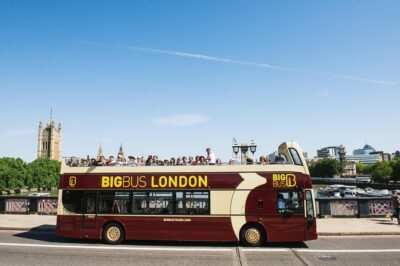
London Big Bus Hop-On Hop-Off Tour with Optional River Cruise
Read our review →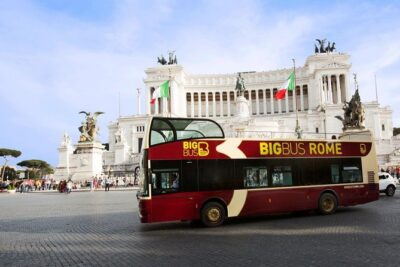
Big Bus Hop-on, Hop-off Open-Top Sightseeing Tour
Read our review →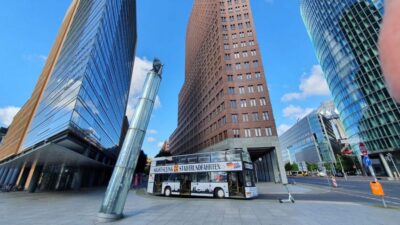
Browse the lists this tour appears in