Review · TOURS
Luc’s Private Group Bonaire Open Bus Tour
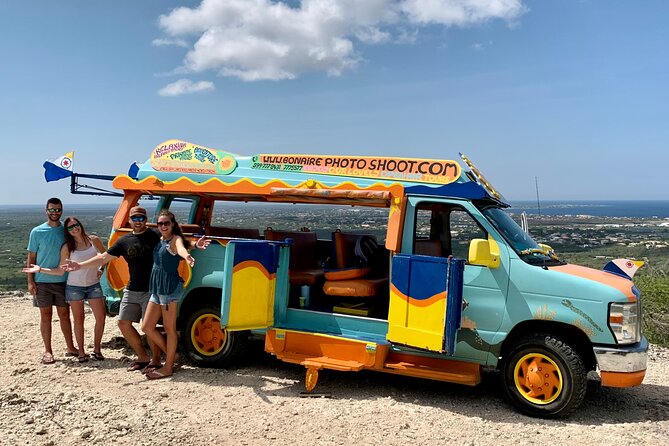
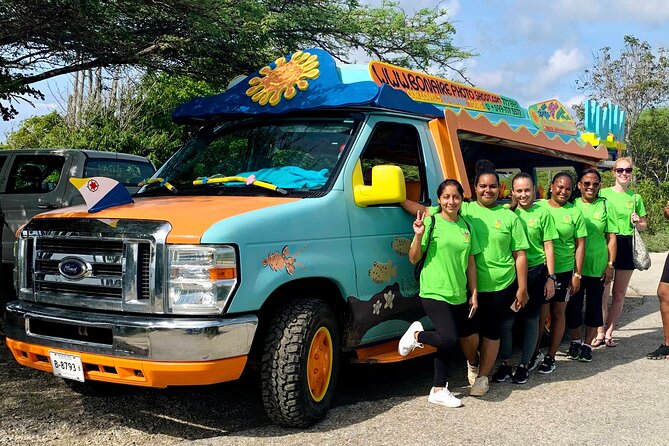
Bonaire is easy to admire from a beach, but Luc’s open bus gives you a fast, broad look at the island’s salt flats, flamingos, old slave huts, wild coast, and turquoise water. Luc drives a colorful vehicle he built himself, creating a relaxed outing that feels quite different from a standard large coach tour.
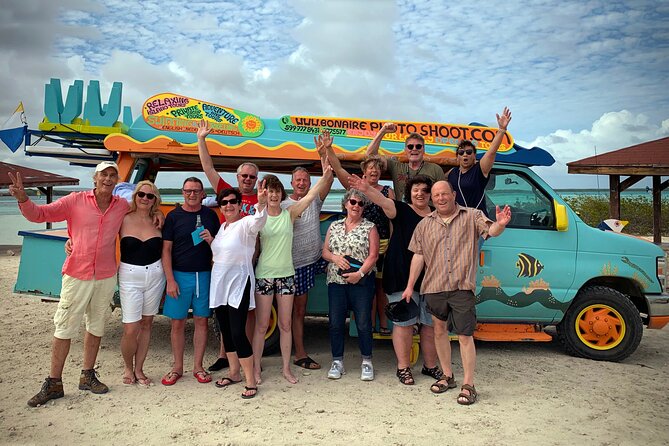
I like the private format for up to 12 people, since your group can ask questions, request photo stops, and adjust the timing. I also like the mix of scenery and difficult history, from pink salt pans to the tiny huts where enslaved workers once slept. The main drawback is the open-air design: sun, wind, and heat are part of the experience, and the short stops can feel brisk if you want long walks.
Key points to know
- A full-island snapshot in about three hours: You see much of Bonaire’s southern route without spending a full day on the road.
- A colorful homemade open bus: The vehicle gives you clear views and easy photo opportunities, but offers less shelter than a closed van.
- Luc adds local context: He explains daily life, reef protection, salt production, the lighthouse, and Bonaire’s past.
- Swimming and snorkeling are optional: The final 30-minute stop at Sorobon Beach gives you time in the water or on the sand.
- Strong value for a larger group: The $390 rate covers up to 12 people, which works out to $32.50 per person when full.
- Morning or afternoon departures: Pickup is offered, and the private setup suits hotel stays, cruise calls, and families with mixed interests.
Why an open bus works well on Bonaire

Bonaire rewards looking around. The island’s most memorable sights are spread along its roads, and many are best appreciated from a high, unobstructed seat. In Luc’s bus, you can watch the colors change from town streets to pale salt mounds, then to bright sea and rough coast.
The open sides also help with photographs. You do not have to shoot through glass, and Luc can help with pictures at the stops. Several guests appreciated that he took photos for them and offered simple advice for getting better views.
This is not a tour built around one grand attraction. It is a tightly packed introduction to Bonaire. You move often, hear short explanations, and get a chance to step out at many sites. The pace suits someone visiting for only a few hours, especially on a cruise stop, but it is not the best choice if you want to linger at every location.
The bus itself is part of the fun. It is colorful, airy, and described as an older vehicle that Luc customized and built. Expect charm rather than luxury. Bring sun protection, and remember that an open vehicle leaves you exposed to the island’s weather.
More routes around the world:
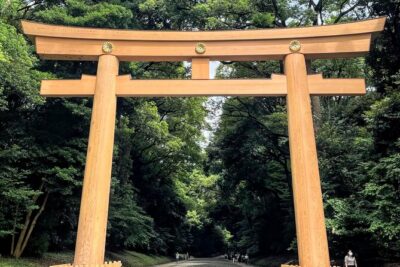
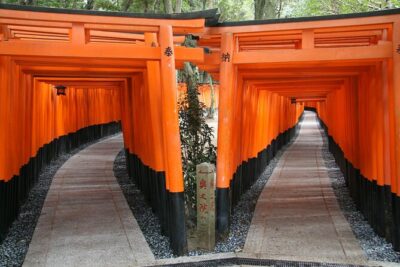
- Mt Fuji and Hakone 1-Day Bus Tour Return by Bullet Train
★ 5.0 · 26,383 reviews - Barcelona: 24 or 48-Hour Hop-On Hop-Off Bus Tour
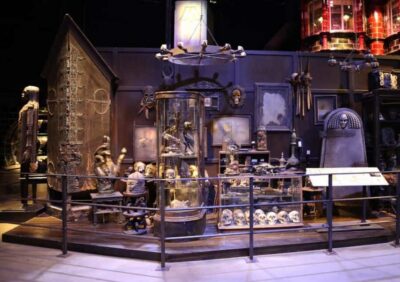
★ 4.4 · 20,872 reviews - London: Warner Bros. Studio Harry Potter Tour & Branded Bus
★ 4.7 · 19,194 reviews
Starting in Kralendijk with a local view
The tour begins in or around central Kralendijk, where Luc drives through residential areas and explains everyday life, culture, and local customs. This opening gives you a useful sense of Bonaire beyond the waterfront.
I like this start because it places the sights in context. You are not simply being taken from one postcard view to another. You begin by seeing where people live and hearing how the island functions.
The first stop is brief, around 10 minutes, so think of it as an introduction rather than a walking tour. Pickup is offered from your hotel, and cruise passengers have also met Luc near the port. Confirm your exact meeting point when booking, especially if you have a tight ship schedule.
Bonaire’s sea, reefs, and the Hilma Hooker
The Bonaire National Marine Park brings the focus to the water. Luc explains the island’s reefs, marine life, and reef protection while you take in the clear sea. The stop lasts about 10 minutes, making it mainly a viewing and photo pause.
The next stop is the Hilma Hooker, a famous shipwreck and underwater site. Luc points out the location and uses information cards to make the story easier to follow. You do not need to be a scuba enthusiast to appreciate the stop. It is a chance to understand why Bonaire is so closely linked with underwater exploration.
The information cards are a thoughtful touch. They give you something visual to study while Luc talks, and they can help children or less attentive members of a mixed-age group stay involved. The stop is short, so anyone hoping to spend time in the water should treat this as background, not as a water activity.
Salt flats, pink pans, and the south coast
The salt works are among the strongest parts of the tour. At Salt Pier, you stop beside salt mountains and pink salt pans, with the Caribbean on one side and broad open views around you. Luc gives you salt crystals as a small souvenir.
The colors here change with the light. The pale salt, pink water, blue sea, and dry ground make this one of the best places for photographs. The stop lasts about 15 minutes, enough for pictures and a quick look around.
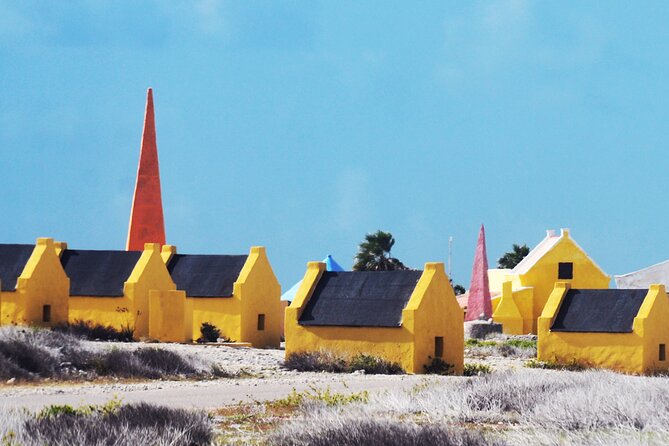
At Pink Beach, the setting shifts from working salt country to a quieter coastal monument. You see the old salt pan, a plantation house, and the white slave houses. The beach name can suggest a classic swimming stop, but on this tour it is mainly a scenic and historical pause.
That distinction matters. If you are hoping for a long beach stay, save your expectations for Sorobon. Pink Beach is more about the setting and the connection between natural resources and Bonaire’s past.
Same city, a different seat on a different deck:
- Rome: City Sightseeing Hop-on Hop-off Bus with Audioguide
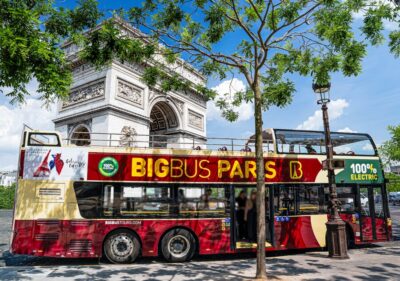
★ 4.0 · 16,045 reviews - Paris: Tootbus Hop-on Hop-off (Optional River Cruise)
★ 4.3 · 15,279 reviews - Amsterdam: Zaanse Schans, Edam, Volendam & Marken Bus Tour
★ 4.6 · 15,034 reviews - 1-Day Tokyo Bus Tour
★ 5.0 · 14,250 reviews
The slave huts and the history of salt production
The small slave huts near the White Pan are among the most sobering stops. Luc explains how enslaved workers lived, where salt ships came to the coast, and how many people were confined in these tiny structures.
The huts are physically small, which makes the history hard to keep at a distance. You can look inside and see the cramped space for yourself. The bright Caribbean surroundings do not soften the subject, but they do show how closely beauty and painful history can sit together on Bonaire.
The Red Slave Huts near the Orange Pan offer another view of the same system. You can crawl into one of the little huts or take a picture through its small window. That physical scale helps you understand the harsh conditions more clearly than a spoken explanation alone.
I appreciate that this tour does not treat the salt flats as pretty scenery only. Salt shaped Bonaire’s economy, and the huts point to the human cost behind that work. Luc’s explanations make these stops more meaningful, though the subject may be heavy for very young children.
Kiteboarding beach and the flamingo sanctuary
The kiteboarding stop shows a livelier side of the south coast. The wind is often strong here, and the beach is also noted as a nesting place for turtles. You get about 10 minutes to take in the sea, wind, and open shore.
This is a good example of the tour’s variety. Within a short drive, you move from industrial salt history to a beach associated with modern water sports and wildlife. The stop is brief, so you will not have time for a kiteboarding lesson, but you can watch the setting and take photos.
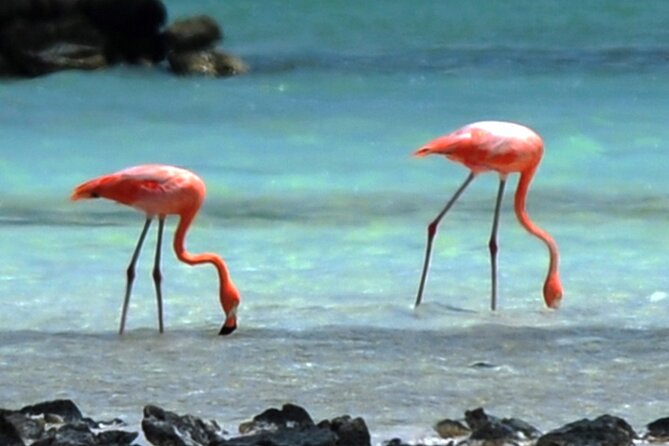
At the Pekelmeer Flamingo Sanctuary, Luc looks for Caribbean flamingos. The birds are shy, and the number you see can vary. That uncertainty is part of the appeal, but it also means nobody can promise a large flock.
Luc’s experience with the route helps him spot them, and several outings have included flamingos early in the day. Bring a camera, but keep your expectations sensible. This is a protected habitat viewed from the tour route, not a close animal encounter.
Willemstoren Lighthouse and the wild coast
The Willemstoren Lighthouse dates to 1837 and is described as Bonaire’s first lighthouse. The stop gives you another strong photo setting, with wind and rougher coastal views replacing the calm colors of the salt pans.
Luc explains the lighthouse and the life of the keeper. The stop lasts about 10 minutes, so you should not expect a long visit inside the building. Its value comes from the view, the age of the structure, and the story of how ships were guided along this coast.
The wind can be noticeable here, especially in an open bus. Secure hats and loose items before getting out. For me, this is one of the places where the vehicle’s open design adds to the experience, since you feel the weather rather than viewing the coast from behind closed windows.
Lac Bay and a final pause at Sorobon
Lac Bay is one of the tour’s most scenic transitions. The rougher coast gives way to a broad bay between the reef and beach. The area is associated with windsurfing, and its colors provide another strong photo stop.
You get around 10 minutes here, which is enough for an overview but not for a long beach visit. If Lac Bay is a priority, tell Luc when arranging the tour. The private format makes it easier to shape the route around what your group has already seen or most wants to see.
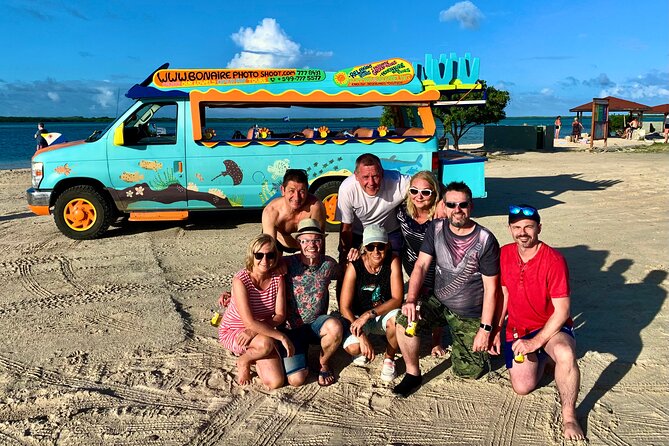
The final stop is Sorobon Beach, with about 30 minutes for swimming, snorkeling, relaxing, or taking a closer look at the mangroves. You may also see the small local fishing harbor. This is the only planned stop with enough time for a proper break.
Thirty minutes is useful, but it is not a full beach afternoon. If your group needs time to change, snorkel slowly, or manage young children, the water portion may feel short. On the other hand, it gives a welcome finish after a succession of quick stops, and Luc has adjusted the timing for groups that wanted more time in the water.
What the $390 group price really means
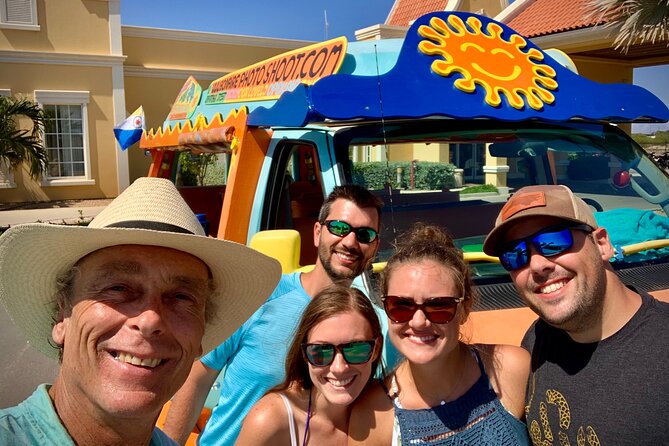
The price is $390 per private group of up to 12 people. For a full group, that is $32.50 per person. That is a strong value if you are traveling with extended family or a group of friends and would otherwise need several taxis or separate excursions.
For two people, the same price becomes $195 each, so the value is less obvious. You are paying for a private vehicle, Luc’s time, pickup, and a custom group experience rather than the lowest possible per-person fare.
The tour includes about three hours of guiding and transportation, with no separate admission charges listed for the stops. It also saves planning time. You do not have to map the salt pans, historic sites, flamingo area, lighthouse, and beaches yourself.
The best value comes when you care about seeing many parts of Bonaire in one outing. It is less suitable if your main goal is a long swim, a dedicated snorkeling session, or a slow visit to one historic site.
Who will enjoy this tour most
I would choose this for a family group, a group of friends, or cruise passengers who want a private overview. It also works well for a multigenerational party because Luc can help people in and out of the bus and adjust the pace within reason.
The tour suits curious visitors who want explanations, not just transport. Luc answers questions, uses printed material, and connects the scenery with local life. Families with older children should find plenty to hold their attention, from flamingos and salt crystals to the open vehicle and beach stop.
Very young children need more thought. The open bus can be hot, windy, and less protected than a closed vehicle, and the frequent stops may not match a toddler’s rhythm. The tour is also not built as a formal accessible sightseeing program, so anyone with mobility concerns should discuss needs before booking.
The private arrangement is especially useful if your group has mixed interests. Some people can focus on photographs and history while others look forward to the water at Sorobon. Luc has also adapted routes for groups that had already visited one of the main sights.
Timing, pickup, and practical planning
You can choose a morning or afternoon departure. The experience lasts about three hours, though the many short stops mean the time passes quickly.
Hotel pickup is offered, and cruise passengers have met Luc directly outside the port. If you are sailing the same day, give yourself a clear return margin. The tour is designed to work within a ship visit, but your own all-aboard time still matters.
Confirmation is provided when you book, and most people can participate. The activity requires good weather. If poor weather forces a cancellation, you can accept another date or receive a full refund.
You can cancel for a full refund up to 24 hours before the start time. Changes or cancellations inside that 24-hour window are not accepted for a refund.
Should you book Luc’s private open bus tour?
Book it if you want to see a large share of Bonaire in a short time, prefer a private group, and enjoy a guide who explains both local life and the island’s difficult past. The salt flats, flamingos, slave huts, lighthouse, and Sorobon stop give you a well-rounded first look.
Think twice if you want a full beach day, a long snorkeling session, or air-conditioned transport. The open bus is the charm and the limitation.
For a full group of 12, the price is particularly attractive. For a couple, it makes the most sense when privacy, flexible timing, and a personal guide matter more than finding the cheapest island ride.
FAQ
How long does Luc’s Bonaire Open Bus Tour last?
The tour lasts approximately three hours.
How many people can join the private tour?
The private group rate covers up to 12 people. Only your group participates.
How much does the tour cost?
The listed price is $390 per group, up to 12 people.
Is hotel pickup available?
Yes. Pickup is offered from hotels in Bonaire. Cruise passengers have also met Luc near the port.
Can I choose a morning or afternoon tour?
Yes. The tour offers morning and afternoon options.
Can I swim or snorkel during the tour?
Yes. Swimming and snorkeling are optional at Sorobon Beach, the final stop, which lasts about 30 minutes.
Will I see flamingos?
The Pekelmeer Flamingo Sanctuary offers Bonaire’s best chance to see Caribbean flamingos. Sightings vary because the birds are shy, and the number present can change.
What happens if the weather is poor?
The experience requires good weather. If it is canceled because of poor weather, you can choose another date or receive a full refund.
Recently added around the world
- TopView® 48 Hr Hop on Hop off Bus Tour with River Cruise & Walks★ 3.5 · 83 reviews
- TopView® 24 Hr Hop on Hop off Bus Tour with River Cruise & Walks★ 3.0 · 87 reviews
- City Sightseeing Llandudno Hop-On Hop-Off Bus Tour★ 4.0 · 109 reviews
- Two Treasures Day Trip by Bus: Florence & Pisa★ 5.0 · 25 reviews
- Special Summer Cruise Bus Tour of Lofoten★ 4.5 · 83 reviews
- City Sightseeing Livorno Hop-On Hop-Off Bus Tour★ 3.0 · 33 reviews
- The Liverpool Pass®: All top attractions inc. Hop-On Hop-Off Bus Tour | 2-Days★ 4.5 · 11 reviews
- The Liverpool Pass®: All top attractions inc. Hop-On Hop-Off Bus Tour | 1-Day★ 3.0 · 8 reviews
Tours, compared.
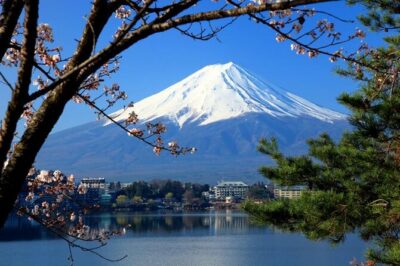
Mt Fuji and Hakone 1-Day Bus Tour Return by Bullet Train
Read our review →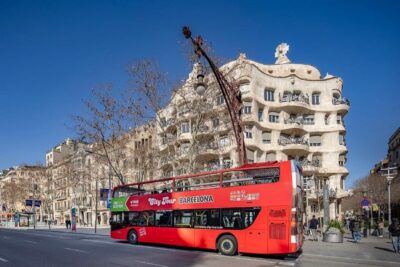
Warner Bros. Studio Harry Potter Tour & Branded Bus
Read our review →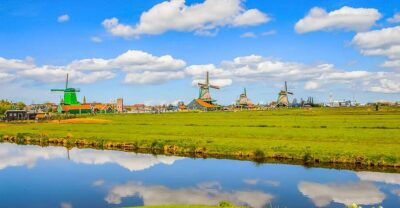
Zaanse Schans, Edam, Volendam & Marken Bus Tour
Read our review →