
Review · KATHMANDU BUS TOURS
Journey to Dhunche A Scenic Bus Ride to the Gateway of Langtang
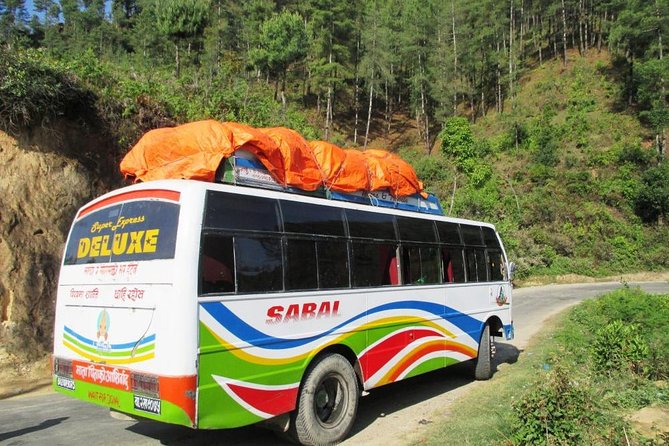
The best part of this Kathmandu to Dhunche bus ride is the steady change in scenery. You leave the city behind, follow the Trishuli River through winding hill roads, and finish near Langtang country, where snow-capped peaks may appear in the distance. I like the river views and the chance to pause at roadside tea stalls for a simple local meal.
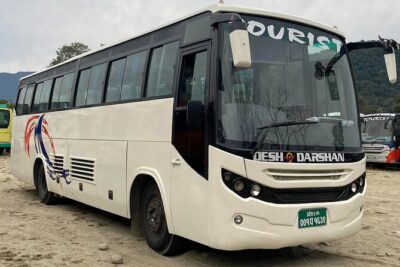
I also like the low price, $17 per person, and the small maximum group size of 20. The main catch is the road itself: expect a long, bumpy ride with steep climbs and descents. Also check your final drop-off point before paying, since the trip is described as going to Dhunche while the meeting details list Syapru Besi.
Key Points Along the Road
- A full-day mountain road journey: Plan on roughly 8 to 9 hours, depending on traffic and road conditions.
- Trishuli River views: Much of the route follows the river, with changing views of water, hills, and roadside settlements.
- Roadside food stops: Breaks give you time to stretch, drink tea, and try a traditional Nepalese meal.
- A low-cost transport option: The $17 price covers a deluxe bus ticket, not meals or other extras.
- An early start: Departure is scheduled for 7:15 am from Machha Pokhari on Kathmandu’s Ring Road.
- Important destination detail: The experience is presented as a trip to Dhunche, but Syapru Besi appears as the listed end point, so confirm this before departure.
Leaving Kathmandu at 7:15 am
Your day begins at Machha Pokhari, on Ring Road in Kathmandu, with a scheduled departure at 7:15 am. This is a practical starting point for a route heading north, but you should give yourself enough time to locate the exact bus and meeting area. Your booking confirmation is expected to provide the bus number, seat number, reporting time, departure time, and departure location.
The early departure matters. Eight to nine hours is a long time on a mountain road, and traffic can stretch the journey. A morning start gives you the best chance of covering much of the route during daylight, when you can see the river and hills rather than watching them pass in darkness.
You receive a deluxe bus ticket, but nothing beyond the ticket is included. Bring money for tea, food, and any personal purchases during the breaks. It is also sensible to carry water and a few snacks, since the exact timing and length of roadside stops are not specified.
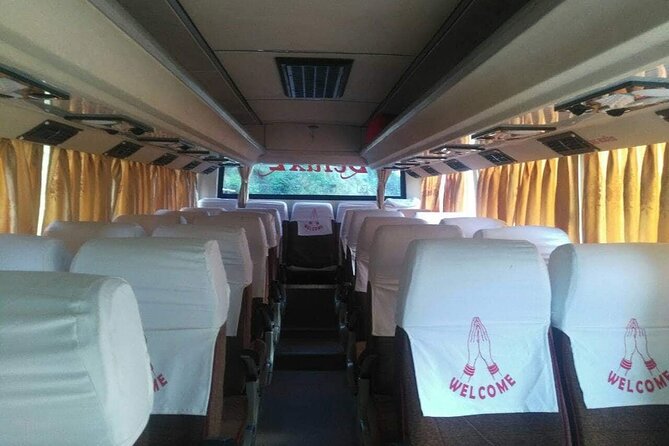
The bus has assigned seating, which is useful on a trip of this length. Check your seat number when the booking details arrive. A fixed seat is a small thing, but it makes a long ride easier, especially when the road begins to twist and climb.
More routes around the world:
- Mt Fuji and Hakone 1-Day Bus Tour Return by Bullet Train
★ 5.0 · 26,383 reviews - Barcelona: 24 or 48-Hour Hop-On Hop-Off Bus Tour
★ 4.4 · 20,872 reviews - London: Warner Bros. Studio Harry Potter Tour & Branded Bus
★ 4.7 · 19,194 reviews
Following the Trishuli River
The route becomes more rewarding as Kathmandu fades behind you. The bus follows the Trishuli River, and the road offers repeated views of the water below, steep hillsides, and rural surroundings. You will not be sitting on a sightseeing coach with a running commentary, so the pleasure comes from watching the route unfold through the window.
The river is the natural thread of the journey. At some points, the view may be wide and open. At others, bends in the road, buildings, or roadside traffic may block your sightline. This is a working transport route, not a carefully staged scenic drive, and that is part of its appeal. You are moving through an everyday part of Nepal rather than being kept apart from it.
The road is also the trip’s main challenge. A previous account of this ride describes a bumpy drive, though still an enjoyable one because of the views. The driver’s ability to handle steep hills is part of the experience, but passengers should expect a rougher ride than they would get on a flat highway.
If you are prone to motion sickness, choose your seat carefully if the bus permits it, keep your eyes on the outside view when possible, and bring any medication you normally use. The provided information does not specify which seats are best, so you should ask at boarding rather than assume.
Roadside Tea and Meal Breaks
The bus makes a few stops so you can stretch your legs and buy food. These pauses are more than simple interruptions. A cup of tea at a roadside stall gives you a short look at the local rhythm of the route, while a traditional Nepalese meal provides a more filling break during a long day.
Do not expect a carefully planned food tour. The exact stops are not named, and meals are not included in the fare. You pay for your own food and drinks. Still, the lack of a fixed restaurant schedule can be useful: roadside stops keep the journey connected to the places along the road.
You will want to use each break well. Walk around, stretch your back and legs, and use the available facilities. A few minutes outside the bus can make a major difference by the time you reach the higher hills.
Because traffic and road conditions affect the schedule, keep your expectations flexible. The advertised duration is approximately 8 to 9 hours, not a guarantee. If you have a flight, hotel check-in, trek start, or other appointment later that day, leave a generous buffer.
The Hills Rise Toward Langtang
As the bus continues, the scenery changes. The lower river route gives way to steeper hills, and the distant Himalayas may begin to appear. The views are the payoff for accepting the slow pace and rough road.
The mountain views are not guaranteed at every moment. Clouds, road bends, and changing weather can hide the peaks. Even so, the route gives you a sense of moving toward the high country, rather than simply taking a bus between two points.
Dhunche is described as the entrance to Langtang National Park and the gateway to the Langtang region. Reaching it gives the journey a clear purpose. You are not just buying a transfer; you are arriving at an important starting point for travel into one of Nepal’s best-known mountain areas.
The provided meeting details create one point you should settle before departure. The trip description names Dhunche, while the listed end point is Syapru Besi, postal code 45000. These places are both associated with access to the Langtang region, but you should not assume they are interchangeable for your plans. Check the confirmed destination with the operator before you travel, especially if you are meeting someone, staying overnight, or beginning a trek.
Same city, a different seat on a different deck:
- Rome: City Sightseeing Hop-on Hop-off Bus with Audioguide
★ 4.0 · 16,045 reviews - Paris: Tootbus Hop-on Hop-off (Optional River Cruise)
★ 4.3 · 15,279 reviews - Amsterdam: Zaanse Schans, Edam, Volendam & Marken Bus Tour
★ 4.6 · 15,034 reviews - 1-Day Tokyo Bus Tour
★ 5.0 · 14,250 reviews
Why the $17 Fare Can Make Sense
At $17 per person, this is an inexpensive way to cover a long distance from Kathmandu toward Langtang country. The fare is especially useful if you need organized transport and prefer to have a reserved bus ticket rather than arranging the journey at the last minute.
The value comes from the distance and the scenery, not from a long list of included services. The ticket covers the deluxe bus ride only. Food, tea, and anything else you buy along the route are extra.
The word deluxe should also be kept in proportion. It identifies the ticket category, but it does not remove the realities of Nepal’s mountain roads. You should expect a bus journey with assigned seating and scheduled service, not a luxury vehicle with meals, a private guide, or hotel-style comfort.
For a budget-minded visitor, the fare works well. You pay a modest amount for a full day of transport and a changing view outside the window. For someone who values speed, quiet, or a smooth ride above all else, the low price may not compensate for the bumps and uncertain arrival time.
What the Eight to Nine Hours Feel Like
A journey of this length has a different rhythm from a short city transfer. The first part gets you out of Kathmandu, the middle section follows the river and hill roads, and the final stretch brings higher mountain scenery and the approach to Langtang country.
The bus stops help break up the day, but you should still prepare for long periods in your seat. Take a light bag with water, snacks, and something to occupy you when the view is blocked. Keep important belongings close to you, since the bus ticket is the only included service and no separate luggage arrangement is described.
The drive may feel slow. A steep route cannot be rushed safely, and traffic can add time. One account describes the road as bumpy but enjoyable, which is a fair way to set your expectations. You may spend part of the day watching the driver negotiate bends and climbs, then suddenly find yourself rewarded with a clear river or mountain view.
The trip is most enjoyable when you treat the ride itself as part of the outing. If you view it only as a transfer, the duration may feel tiring. If you like watching villages, roads, rivers, and hills change outside the window, the slow pace becomes part of the experience.
Who Should Take This Bus Ride
I would recommend this trip to you if you want a budget route from Kathmandu toward Langtang and you are comfortable giving a full day to the journey. It suits independent visitors who do not need a private guide and who enjoy seeing ordinary roadside Nepal along with the major mountain views.
It is also a good match if you like scenic transport. The road’s twists and bumps are not side issues; they define the trip. You should be ready for steep hills, a long ride, and breaks that may be simple rather than polished.
This may not suit you if you need a precise arrival time. The journey depends on traffic conditions, and mountain roads can take longer than planned. It may also be a poor fit if you are looking for a fully guided experience, since no guide is named and the included service is the bus ticket only.
Families and most able-bodied visitors can participate, according to the available information. Still, the length and road conditions deserve thought. Anyone who finds long bus rides difficult should consider the 8 to 9 hour estimate carefully before booking.
Booking Details You Should Check
Confirmation is provided at the time of booking. You should look for the bus number, seat number, reporting time, departure time, and exact departure location in those details.
The start point is Machha Pokhari, Ring Road, Kathmandu 00977, Nepal. The scheduled start time is 7:15 am. The listed end point is Syapru Besi, 45000, Nepal, even though the experience is titled and described as a journey to Dhunche.
That destination difference is the most important detail to clarify. If you are planning to continue into Langtang National Park, arrange your next step only after confirming where this bus actually finishes. A quick check with Nepal Vehicle Hiring Pvt Ltd can prevent a confusing arrival.
The maximum group size is 20 people. That is small enough to feel more manageable than a large tour group, though the vehicle itself remains shared transport. No personal guide, meals, entrance fees, or other extras are included.
The booking is non-refundable and cannot be changed for any reason. That makes it important to confirm your date, destination, and schedule before purchasing. A missed connection or change of plan will not qualify for a refund.
Should You Book the Kathmandu to Dhunche Bus?
Book it if you want an affordable, scenic ride toward Langtang and you are willing to trade speed and comfort for views and local roadside stops. The Trishuli River, changing hill scenery, distant Himalayas, and modest $17 fare make the trip appealing for independent visitors on a budget.
Before paying, confirm the final stop, since Dhunche and Syapru Besi are both shown in the supplied details. Also allow more than the estimated 8 to 9 hours if your onward plans are important.
Skip it if you need private transport, a smooth road, included meals, or a firm arrival time. For the right kind of passenger, though, this is a practical way to watch Nepal change from city streets to mountain country one winding turn at a time.
FAQ
Where does the bus leave from?
The bus leaves from Machha Pokhari, Ring Road, Kathmandu 00977, Nepal.
What time does the bus depart?
The scheduled start time is 7:15 am. Your booking confirmation should also provide the reporting time.
How long does the journey take?
The trip takes approximately 8 to 9 hours, depending on traffic conditions.
What is included in the price?
The $17 price includes a deluxe bus ticket. Food, drinks, and anything else are not included.
Where does the bus arrive?
The experience is described as a journey to Dhunche, but the listed end point is Syapru Besi 45000, Nepal. Confirm the final destination before departure.
Can the booking be canceled or changed?
No. The experience is non-refundable and cannot be changed for any reason.
Recently added around the world
- Xi’an 1-Day Coach Tour of Terracotta Army★ 4.5 · 47 reviews
- Xi’an: Terracotta Army Mini-Bus Tour with Options★ 5.0 · 240 reviews
- Vine Hopper: Hop-On Hop-Off Wine Tour – Northern Route★ 4.5 · 62 reviews
- Vine Hopper: Hop-On Hop-Off Wine Tour – Southern Route★ 4.5 · 64 reviews
- From Stellenbosch: Hop-On Hop-Off Wine Tour Southern Route★ 4.7 · 105 reviews
- Malta: Vintage Bus Ride through the Three Cities★ 4.1 · 112 reviews
- Adelaide Hills & Hahndorf Hop-On Hop-Off Wine Tour★ 5.0 · 136 reviews
- Barossa Valley Hop-On Hop-Off Wine Tour★ 5.0 · 418 reviews
Nepal Bus Tours, compared.
Full-Day Sharing Bus Tour on 7 Iconic Destination
Read our review →
Visit Best Seven Tourist Destination by Sharing Bus
Read our review →
“Explore Kathmandu Rich Heritage: City Highlights Bus Tour”
Read our review →
Kathmandu to Chitwan Tour by Tourist Bus – A Convenient and Affordable Way
Read our review →Browse the lists this tour appears in