
Review · SWITZERLAND BUS TOURS
Swiss Travel Pass: Unlimited Travel on Train, Bus & Boat
Switzerland’s Swiss Travel Pass turns the country’s famously expensive public transport into one prepaid travel plan. You can ride trains, buses, boats, and many city services without buying a new ticket each time. I especially like the freedom to change plans and the free entry to more than 500 museums. The included rides to Rigi, Stoos, and Stanserhorn add real value.
The main catch is price. At about $327 per person, the pass pays off best when you travel between several regions, use boats or mountain transport, and visit museums. It is harder to justify if you stay in one town or take only a few short train rides.
Key points to know before buying
- Unlimited public transport: Use trains, buses, boats, trams, and other covered city transport during each valid day.
- Choose your travel rhythm: Continuous passes work on consecutive days, while Flexi passes let you select travel days within the available validity rules.
- Mountain value varies: Rigi, Stoos, and Stanserhorn are included, while many other mountain trips receive up to 50 percent off.
- More than 500 museums: Major choices include the FIFA World Football Museum, Olympic Museum, Paul Klee Center, and Swiss museums in Bern and Geneva.
- Children travel free: Children up to age 15 travel free with their parents on covered trains, buses, and boats.
- Reserve panoramic trains separately: The pass covers the journey on eligible scenic trains, but seat reservations can cost extra.
How the Swiss Travel Pass works across Switzerland
This is not a guided tour with a set route or meeting point. You receive the pass by email and use it to build your own Swiss trip. Pick a 3, 4, 8, or 15 day option, then choose between a continuous pass and a Flexi version.
A continuous pass is simple. Once the first date begins, every day in the selected period counts. The pass runs from midnight at the start of the first date until midnight at the end of the final date.
The Flexi option suits a trip with rest days or a loose schedule. It lets you use selected travel days rather than paying for every calendar day. Check the exact conditions when booking, since the value depends on how you arrange those active days.
You do not need a meeting point. The activity provider, SWISStours, sends a digital ticket after booking. The booking confirmation itself is not the original pass, so keep the proper digital ticket ready for inspection. Bring your passport or ID card, and save the ticket as a PDF or screenshot. A paper copy is also sensible if your phone battery is low or mobile service fades during a train ride.
More trips by rail around the world:
- Mt Fuji and Hakone 1-Day Bus Tour Return by Bullet Train
★ 5.0 · 26,383 reviews - Granada City Train 1 or 2-Day Hop-On Hop-Off Ticket
★ 3.5 · 3,128 reviews - Geneva: Hop-on Hop-Off Bus & Scenic Mini-Train Tour
★ 3.8 · 501 reviews
Trains, buses, trams, and boats without constant ticket buying
The biggest benefit is ease. Switzerland has an excellent public transport system, but individual tickets can add up quickly. With the pass, you can board covered services and show your ticket if a conductor checks it.
That freedom matters most on a multi-city route. You might base yourself in Zurich, visit Bern, continue to Lucerne, then head toward Interlaken or another region. The pass lets you make those changes without stopping at a ticket machine each time.
It also helps on days when the weather changes your plans. If rain spoils a mountain walk, you can redirect yourself toward a museum or another city without worrying about buying another full-fare ticket. That kind of flexibility is difficult to price, but it is one reason I find the pass useful.
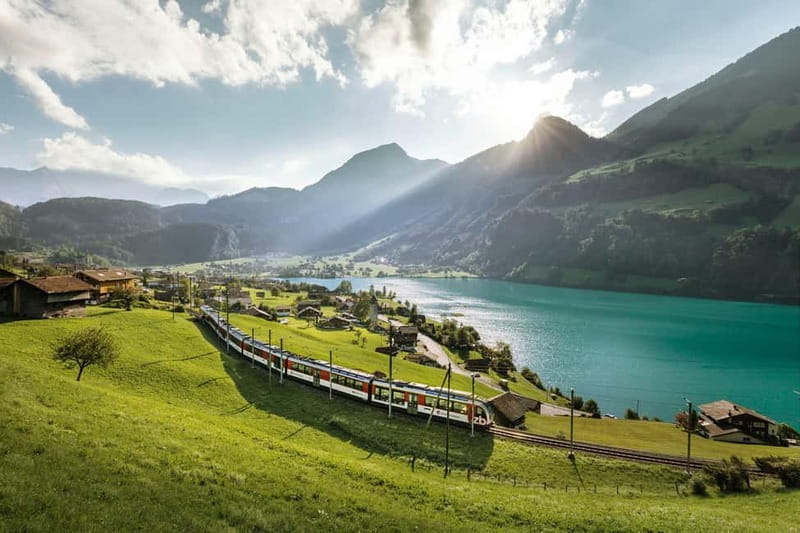
The rail network also makes the journey part of the holiday. Routes between major cities can offer beautiful views, and the pass allows you to use regional trains, buses, boats, and trams included in the network. Some city transport and local services may not require you to scan the pass, but you still need to carry it in case of inspection.
The main limitation is that unlimited does not mean every Swiss transport service is fully included. Mountain railways and cable cars often have separate rules. Check each route before setting out.
Scenic trains: great journeys, extra planning
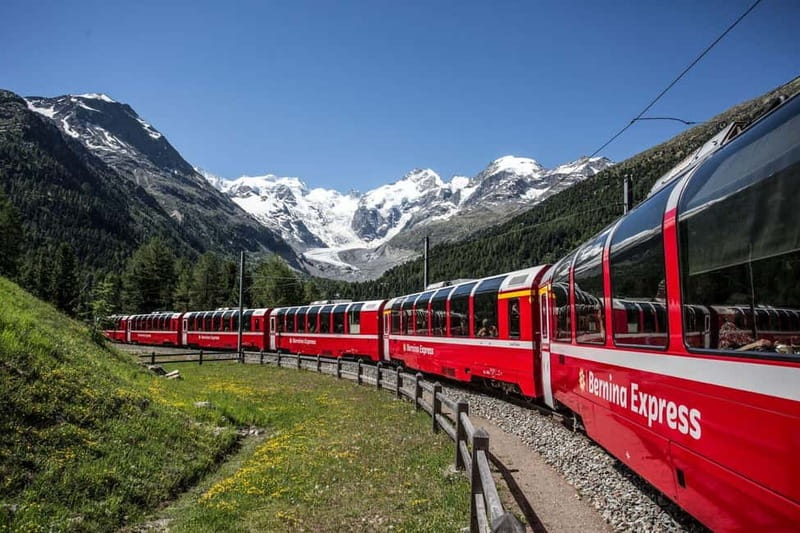
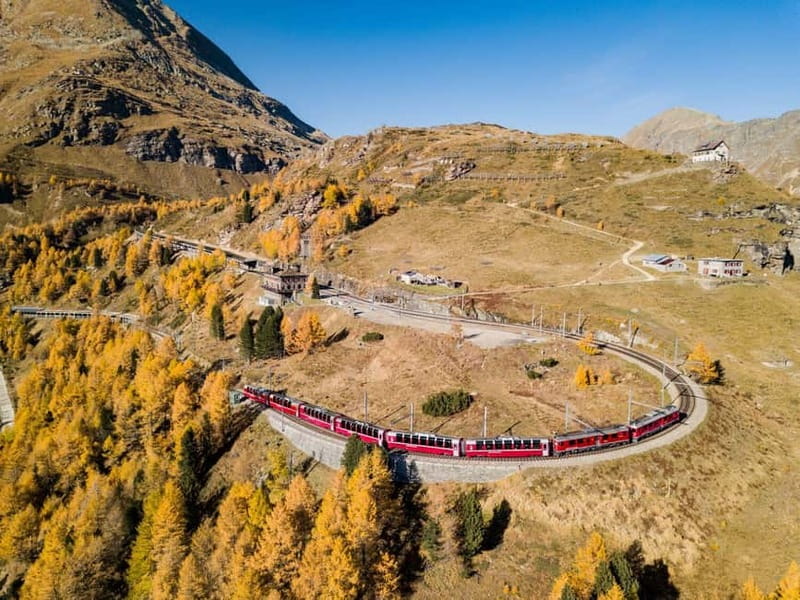
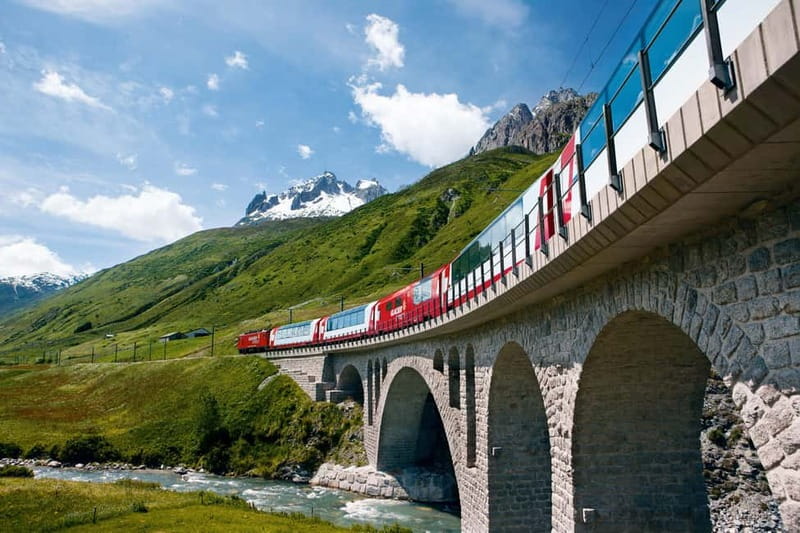
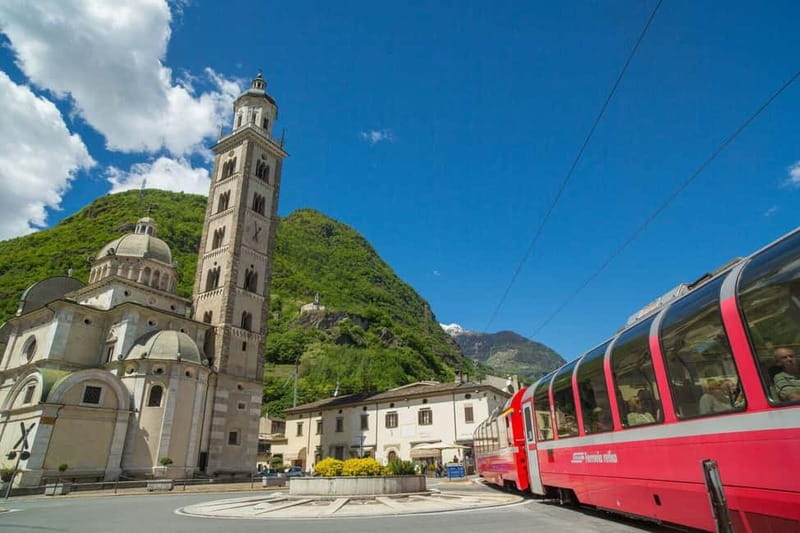
The pass can cover the travel fare on panoramic trains such as the Glacier Express, Bernina Express, and GoldenPass routes. You still need a seat reservation on services that require one, and that reservation costs extra.
This distinction catches people out. You may have the pass and still need to book a seat before boarding a popular panoramic train. If the route is central to your holiday, check reservations early and budget for them separately.
The pass can also be used on other scenic routes without the same level of planning, depending on the service and its rules. The practical approach is to check the SBB app for schedules and connections, then confirm whether your chosen panoramic train requires a reservation.
The SBB app is especially useful here. It helps you compare trains, buses, trams, and walking connections from your current location. Several people found it made a noticeable difference, particularly when planning trips across several regions.
Mountain trips where the pass gives its best value
Switzerland’s mountain transport can be costly, so this is where the pass may earn its keep. Trips to Rigi, Stoos, and Stanserhorn are included according to the supplied pass conditions. Many other mountain excursions and cableways receive up to 50 percent off.
That can include major outings such as Gornergrat and Titlis, though the exact reduction and coverage can vary by route. Do not assume that every gondola, funicular, or mountain railway is free. The Jungfrau region, for example, is not fully covered by the pass, and some journeys there receive a discount instead.
I suggest listing your planned mountain trips before you buy. Add the normal fares, then compare the total with the price of the pass. If you plan several cable cars, funiculars, or mountain railways, the numbers can move quickly in the pass’s favor.
The pass also encourages spontaneous choices. You may decide to visit a mountain town simply because the transport cost is already covered or reduced. That can make a short trip feel less rigid, especially if you are staying for eight or fifteen days.
More routes around the world:
- Barcelona: 24 or 48-Hour Hop-On Hop-Off Bus Tour
★ 4.4 · 20,872 reviews - London: Warner Bros. Studio Harry Potter Tour & Branded Bus
★ 4.7 · 19,194 reviews - Rome: City Sightseeing Hop-on Hop-off Bus with Audioguide
★ 4.0 · 16,045 reviews - Paris: Tootbus Hop-on Hop-off (Optional River Cruise)
★ 4.3 · 15,279 reviews
Museums that make city days worthwhile
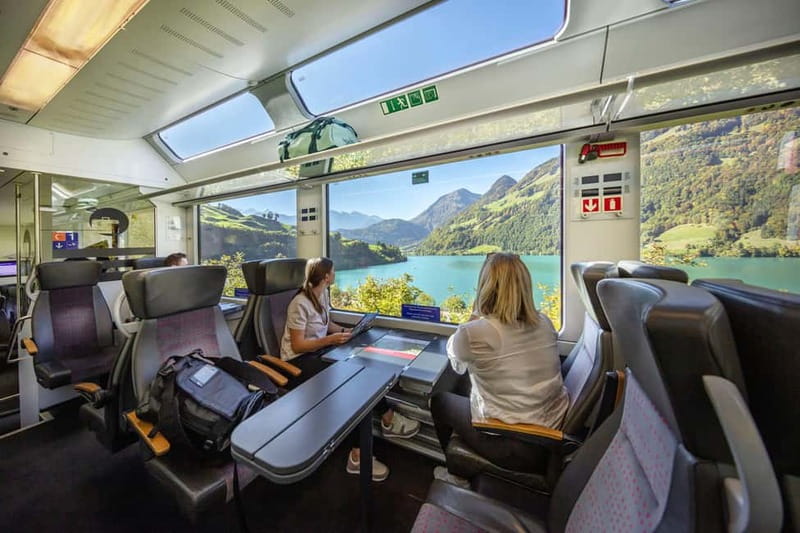
Free entry to more than 500 museums gives the pass value beyond transport. This is particularly helpful on rainy days, when you can replace an outdoor plan without paying another entrance fee.
In Zurich, the FIFA World Football Museum is included. It is an easy choice for football fans, while the city itself also works as a convenient rail base.
Bern offers the National History Museum and the Paul Klee Center. These give you two very different ways to spend a city day, one focused on Switzerland and the other on the work of the artist Paul Klee.
In Geneva, you can visit the Natural History Museum. Lausanne adds the Olympic Museum, and Château de Chillon provides a historic stop near Lake Geneva. The Ballenberg Swiss Open-Air Museum offers another kind of visit, with Swiss buildings and cultural displays arranged across an outdoor setting.
The free admissions are most useful if you genuinely want to visit museums. Do not count 500 options as automatic savings if your holiday is mainly about hiking, scenery, and mountain rides. Still, the wide choice gives you a practical backup plan.
Boats and city transport add more than convenience
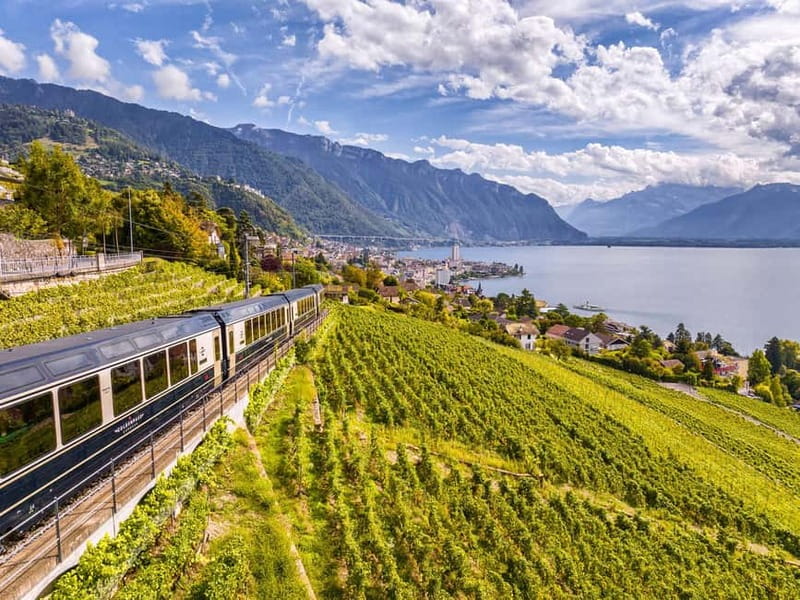
The pass is not only for long rail journeys. Boats on covered routes can turn a transfer into a scenic outing, while buses and trams help you reach stations, museums, and city neighborhoods.
That matters in cities where local transport fares would otherwise be added to your intercity tickets. The pass is designed for travel by train, bus, and boat across more than 90 towns and cities, while the included description also refers to more than 41 Swiss cities. Treat the exact network as route dependent and check your intended connection before boarding.
Boat travel is particularly useful for slow, scenic days. You can combine a lake crossing with a city visit rather than viewing the boat as simple transport. The pass lets you make that choice without buying another standard fare on covered services.
Is $327 good value?
At $327 per person, the pass is not a cheap add-on. It is a travel budget decision. I would consider it strongest for a trip lasting several days with repeated intercity journeys, museum visits, boat rides, and mountain excursions.
A six to eight day trip across several regions is the classic use case. A fifteen day pass can also work well if you plan frequent travel and several paid mountain activities. One user with a fifteen day pass found the ability to use cable cars, hikes, and funiculars made it worthwhile.
For a short stay, the calculation is less automatic. If you spend three days in one city and take only a couple of short rides, individual tickets may cost less. If those three days include long train journeys, museums, and a boat trip, the pass becomes more competitive.
The non-financial value is flexibility. You pay upfront, then stop thinking about each fare. That can be worth something in Switzerland, where last-minute transport costs can feel steep. It also lets you change plans without the repeated work of finding the right ticket.
Use a simple test:
- Add the cost of your planned intercity trains.
- Add likely museum admissions.
- Add boat rides and local transport.
- Include the mountain trips that are free or discounted.
- Compare the total with the pass price.
If your plans are still vague, look at the pass as insurance against a rigid schedule. If you already know you will stay mostly in one place, calculate more carefully.
Families get a major advantage
Children up to 15 years old travel free with their parents on covered trains, buses, and boats. That can change the calculation for a family, especially when the adults are planning a multi-region route.
The free child travel applies to the transport benefits described here. Do not assume that every museum, mountain railway, or special excursion has identical child terms. Check the individual attraction when a family visit depends on a separate ticket.
For families, the pass also removes some small hassles. You can board covered public transport without buying individual tickets for every child, and you can move between cities more easily when plans change.
Practical limits you should not overlook
The pass is easy to use, but you still need to pay attention. First, carry your passport or ID card with the digital pass. Ticket checks happen, and being unable to show the document can create needless trouble.
Second, check the date system carefully. A continuous pass begins at midnight on the first selected date and ends at midnight on the final date. Do not activate it for an arrival day when you will barely use public transport unless the timing makes sense.
Third, save the ticket offline. A screenshot, downloaded PDF, or printed copy gives you a backup when phone reception is poor. A reviewer who used the pass on a rail-heavy trip specifically found this helpful advice worth following.
Fourth, confirm mountain coverage. Rigi, Stoos, and Stanserhorn are included, but many other mountain trips are discounted rather than free. Gornergrat, Titlis, and parts of the Jungfrau area require particular care.
Finally, reserve panoramic trains when needed. The pass is not a substitute for a seat reservation on every scenic service.
Who should buy this pass?
I would recommend it to you if you plan to move between several Swiss cities, use trains often, add lake boats, visit museums, or take multiple mountain excursions. It is also a strong fit for families with children under 16 and for anyone who values the ability to change plans.
It suits rail-focused holidays especially well. A route using the Bernina Express, Lucerne to Interlaken Express, and GoldenPass can make the pass feel useful, provided you handle the separate reservations.
I would be more cautious if you are staying in a single resort, taking only a few short journeys, or planning to avoid museums and mountain transport. In those cases, compare individual fares first.
Should you book the Swiss Travel Pass?
Book it if your Swiss holiday includes frequent movement and several paid extras. The pass is at its best when you use its full range: trains, buses, boats, museums, and mountain discounts.
Skip it, or choose a shorter or Flexi version, if your itinerary is mostly fixed in one place. The pass is not automatically a bargain for every visitor, but for a multi-region trip it can remove both ticket costs and daily decision-making. Keep your digital ticket ready, use the SBB app, check mountain rules, and treat panoramic train reservations as a separate task.
FAQ
How long is the Swiss Travel Pass valid?
You can choose a pass valid for 3, 4, 8, or 15 days. Continuous passes run from midnight on the first date through midnight on the final date.
What transport does the pass cover?
It provides unlimited access to covered public trains, buses, boats, trams, and other city transport across Switzerland. The listed network covers more than 90 towns and cities, with exact coverage depending on the route.
Are panoramic trains included?
The pass can cover travel on panoramic trains such as the Glacier Express and Bernina Express, but seat reservations may be required and cost extra.
Do I need a meeting point?
No. The pass is sent by email as a digital ticket, so there is no physical meeting point.
Is the booking confirmation the Swiss Travel Pass?
No. The booking confirmation is not the original pass. The activity provider sends the digital Swiss Travel Pass after booking, and you must show that ticket during inspection.
Can children use the pass for free?
Children up to age 15 travel free with their parents on covered trains, buses, and boats.
Which mountain trips are included?
Travel to Rigi, Stoos, and Stanserhorn is included in the stated benefits. Many other mountain excursions receive up to 50 percent off instead.
Are museums included?
Yes. The pass includes free entry to more than 500 museums, including the FIFA World Football Museum, Olympic Museum, Paul Klee Center, and selected museums in Bern and Geneva.
Can I cancel the pass?
The activity allows cancellation up to 24 hours in advance for a full refund. Check the booking terms for the exact deadline attached to your reservation.
Recently added around the world
- Vine Hopper: Hop-On Hop-Off Wine Tour – Northern Route★ 4.5 · 62 reviews
- Vine Hopper: Hop-On Hop-Off Wine Tour – Southern Route★ 4.5 · 64 reviews
- Xi’an 1-Day Coach Tour of Terracotta Army★ 4.5 · 47 reviews
- Xi’an: Terracotta Army Mini-Bus Tour with Options★ 5.0 · 240 reviews
- From Stellenbosch: Hop-On Hop-Off Wine Tour Southern Route★ 4.7 · 105 reviews
- Malta: Vintage Bus Ride through the Three Cities★ 4.1 · 112 reviews
- Adelaide Hills & Hahndorf Hop-On Hop-Off Wine Tour★ 5.0 · 136 reviews
- Barossa Valley Hop-On Hop-Off Wine Tour★ 5.0 · 418 reviews
Train Experiences, compared.

Mt Fuji and Hakone 1-Day Bus Tour Return by Bullet Train
Read our review →
Granada City Train 1 or 2-Day Hop-On Hop-Off Ticket
Read our review →
Hiroshima & Miyajima 1 Day Bus Tour with Bullet Train Tickets
Read our review →
Hanoi City Tour: Bat Trang, Train Street, Lunch & Luxury Bus
Read our review →Browse the lists this tour appears in