
Review · POKHARA BUS TOURS
Pokhara: Full-Day Sharing Bus Tour on 7 Iconic Destination
Pokhara packs a lot into one small valley, and this $12 shared bus tour gives you a practical way to reach its main sights without hiring a taxi for the day. You will see caves, temples, waterfalls, a huge Shiva statue, the World Peace Stupa, and the Seti River in one sweep.
I like the excellent value and the friendly mix of local, Indian, and international passengers. I also like the easy Lakeside pickup and the chance to see parts of Pokhara that are awkward to reach on foot. The catch is important: this is mainly transport with timed stops, not a guided sightseeing tour. You explore most places on your own, and the simple bus may not have air-conditioning.
Key points at a glance
- Pumdikot’s giant Shiva statue opens the day with broad views toward the Annapurna mountains.
- World Peace Stupa and the cave stops give the outing a good mix of scenery, religion, and geology.
- The bus covers a surprising amount of ground for $12, especially if you have no scooter, bicycle, or private car.
- You get a set amount of time at each stop, so keep an eye on the departure time.
- The tour is self-guided at most attractions, making it a better fit for independent explorers than for anyone wanting constant commentary.
- The advertised six hours may stretch to eight, depending on traffic and the day’s pace.
What this Pokhara bus day is really like
This is a sightseeing circuit rather than a traditional guided tour. A bus collects you from a hotel in Pokhara’s Lakeside area, then carries you between the city’s best-known sights and several places farther out.
The exact route is described as seven destinations, but the day can include around nine stops, including Pumdikot, the World Peace Stupa, Devi’s Fall, Gupteswor Cave, Mahendra Cave, Bat Cave, the Seti River, and Bindabasini Temple. That makes the schedule useful but busy.
You should expect to get off, look around, take photographs, and return to the bus at the agreed time. At most sites, there is no guide walking beside you to explain every carving or cave formation. The transport staff may help with timing and practical questions, but you should read a little beforehand if you want context at each stop.
That arrangement suits me when I want to see a lot in one day and do not need a running lecture. It may disappoint you if you booked this expecting a private guide or detailed historical explanation.
More full-day routes around the world:
- Thessaloniki: Full-Day Bus Trip to Meteora
★ 4.8 · 3,471 reviews - From Hervey Bay: K’gari, Fraser Island Full-Day Coach Tour
★ 4.6 · 2,328 reviews - From Civitavecchia: Full-Day Panoramic Bus Tour of Rome
★ 4.0 · 1,260 reviews
Starting from Lakeside and heading toward Pumdikot
Pickup is included from hotels within the Lakeside area of Pokhara. You receive a name card pickup, and the exact time may be confirmed through WhatsApp the day before. One person had to call after the pickup did not arrive at the expected time, so I would keep the provider’s phone number handy and allow a little patience at the start.
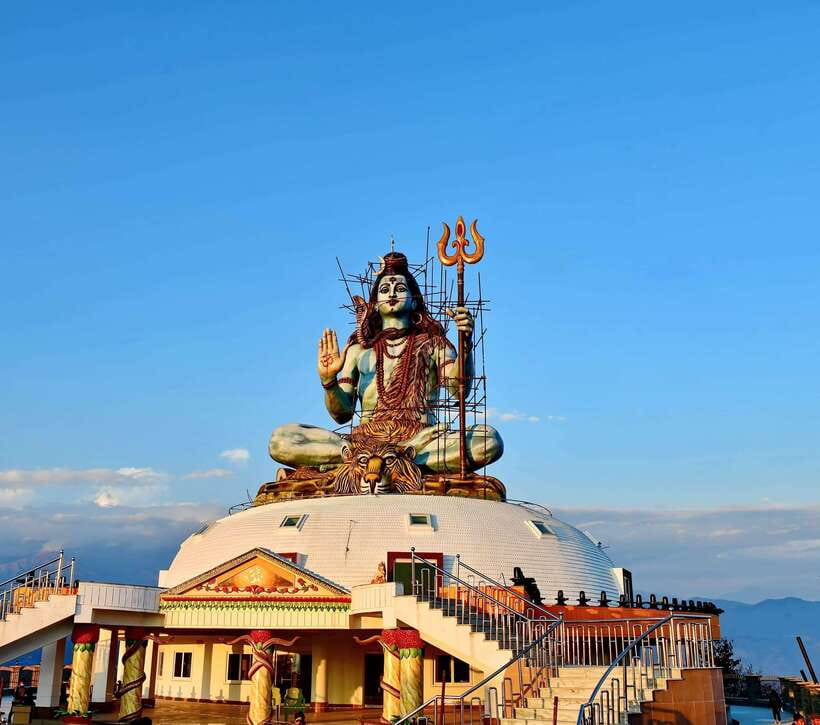
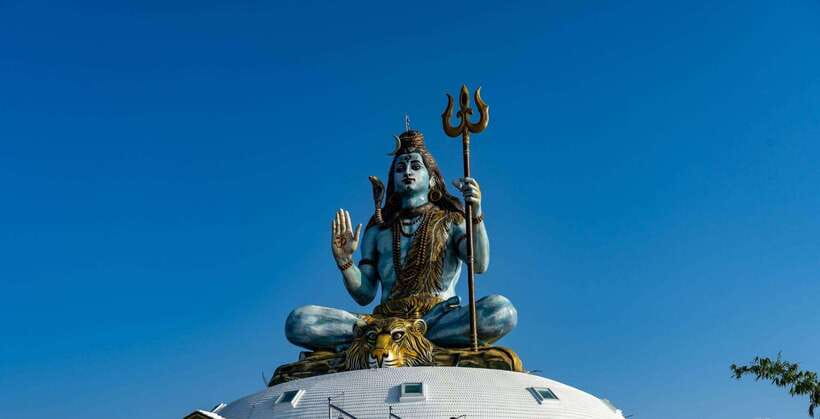
The first major stop is the large Shiva statue at Pumdikot. This hilltop religious site gives the day an immediate sense of scale. The statue itself is the focus, but the views toward the Annapurna range are an important part of the stop, particularly on a clear morning.
Pumdikot is a strong opening because you are not simply ticking off another city monument. You get a sacred place, a dramatic figure, and a wide view across the Pokhara area. Bring a camera, but do not count on clear mountain views every day. Clouds and rain can change the scene quickly.
World Peace Stupa and the value of a short stop
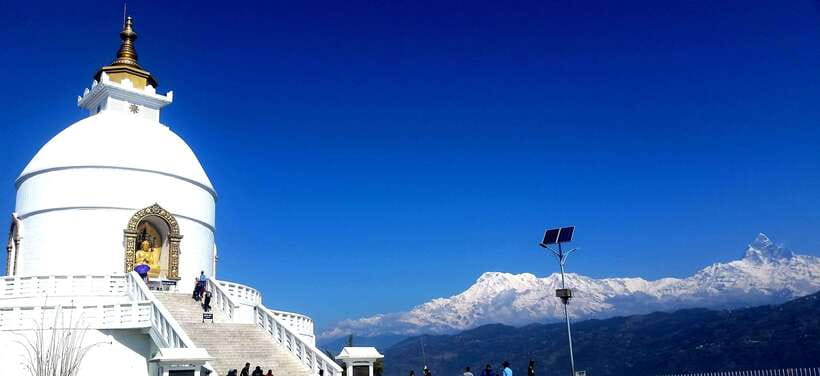
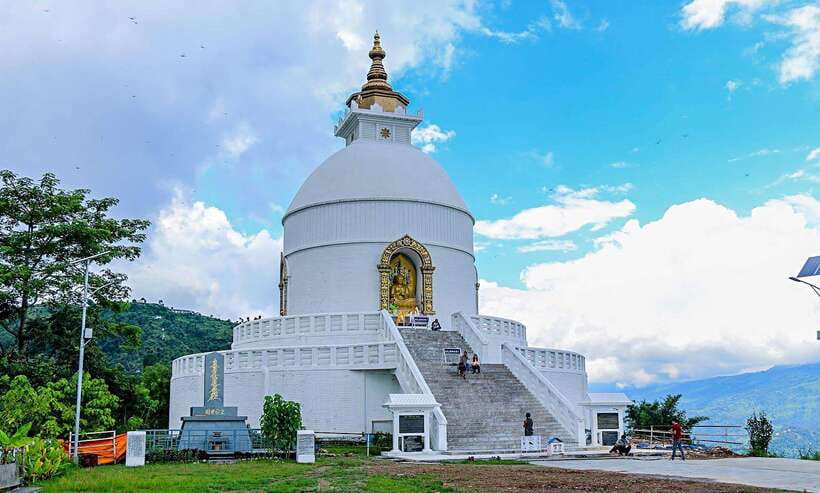
The World Peace Stupa is another hilltop viewpoint with a calmer mood. Its white structure and Buddhist design offer a change from the Hindu setting at Pumdikot. The stop is as much about the setting and the view as it is about the monument itself.
You will have a set amount of time here, so use it carefully. Walk around the stupa, take in the view, and pause for a few quiet minutes rather than spending the whole stop looking for the perfect photograph.
The bus schedule is one of the day’s strengths. You do not need to arrange separate transport between Pumdikot and the stupa, and you are less likely to lose half a day negotiating fares or finding the next vehicle. The tradeoff is that you cannot linger if the light improves or the mountain views suddenly appear.
Devi’s Fall and Gupteswor Cave
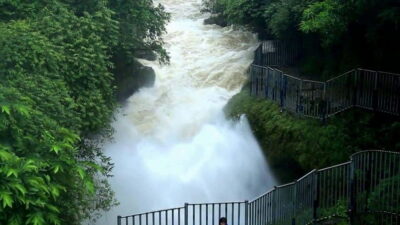
Devi’s Fall brings a change of pace. Water rushes through a narrow channel and drops into an underground passage, creating one of Pokhara’s most familiar natural sights. The force of the water depends on the season, and rain can make the scene more dramatic.
The nearby Gupteswor Cave adds a sacred underground setting. The cave is associated with Shiva, and the visit connects the natural rock formations with local religious practice. You will need to be comfortable with uneven ground and enclosed spaces.
This part of the route can feel a little rushed if you want time for both the waterfall and the cave. It is also worth checking the conditions on the day. One passenger found that an early waterfall stop was closed, showing that weather, maintenance, or local circumstances can affect the schedule.
Do not confuse the sightseeing pace with a trekking outing. You are visiting accessible attractions, not taking a long cave expedition. Still, good shoes matter. The recommended list includes comfortable shoes, sunscreen, water, and a camera, and all four make sense here.
More routes around the world:
- Mt Fuji and Hakone 1-Day Bus Tour Return by Bullet Train
★ 5.0 · 26,383 reviews - Barcelona: 24 or 48-Hour Hop-On Hop-Off Bus Tour
★ 4.4 · 20,872 reviews - London: Warner Bros. Studio Harry Potter Tour & Branded Bus
★ 4.7 · 19,194 reviews - Rome: City Sightseeing Hop-on Hop-off Bus with Audioguide
★ 4.0 · 16,045 reviews
Mahendra Cave: stalactites, stalagmites, and a low ceiling
Mahendra Cave is one of the most memorable stops because the day moves from open viewpoints into a darker, enclosed world. Inside, you can see stalactites and stalagmites shaped by water over time. The formations are the main reason to come, while the low passages and uneven surfaces provide the sense of adventure.
You should take the claustrophobia warning seriously. The tour is not suitable for people who are uncomfortable in confined spaces, and it is also not recommended for people with back problems. The cave may be short compared with a full expedition, but it is still a rougher environment than the temple and viewpoint stops.
Because you are generally exploring independently, read the posted information and watch your footing. The value here is not only the cave itself. It gives the day some variety after several broad viewpoints and religious sites.
Bat Cave: a second underground stop
The Bat Cave, also called Chamere Cave, continues the underground section of the route. You learn about the cave’s bats and may see them in their natural setting, although sightings are not guaranteed. On one visit, there were no bats at all, so you should treat the wildlife element as a possibility rather than a promise.
This stop is best approached with modest expectations. The cave may interest you if you enjoy natural places and do not mind a basic attraction. If you have already had enough enclosed spaces at Mahendra Cave, you may find this the least essential part of the day.
That is one reason the tour works better for people who want broad coverage than for visitors who prefer a carefully edited list of only the strongest sights. You see a lot, but not every stop will carry equal weight for you.
The Seti River through Pokhara
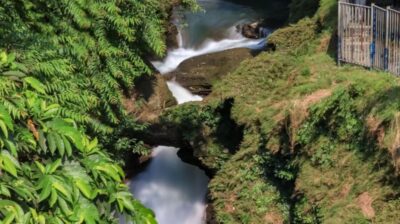
The Seti River stop offers a useful look at the force of nature inside the city. The river cuts through Pokhara in a narrow channel, and its pale, fast-moving water creates a striking contrast with the roads and buildings around it.
This is not a long riverside walk. It is a short stop to observe the river and take photographs. Still, it helps you understand Pokhara as more than a base for mountain trips. The river has shaped the city’s setting and remains one of its most distinctive natural features.
I like this kind of stop on a bus circuit because it does not require a separate excursion. You can see the river as part of the city’s daily life instead of treating it as an isolated attraction.
Bindabasini Temple and a quieter finish
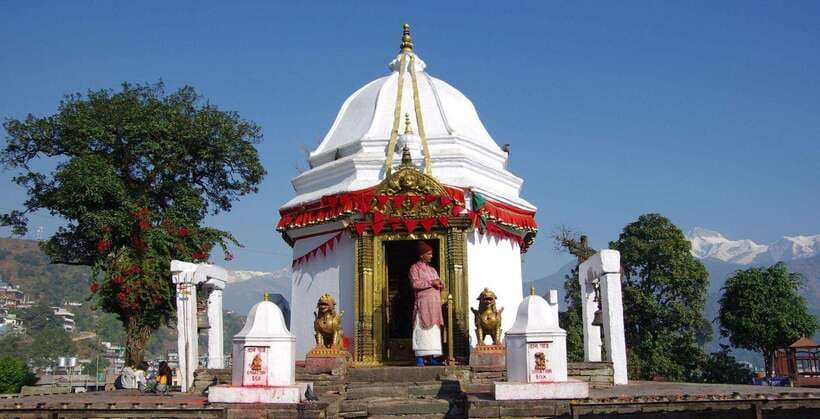
Bindabasini Temple brings the route back to a more settled, spiritual mood. The intricately designed temple is dedicated to the Hindu goddess Bhagwati and is an active place of worship. Dress and behave respectfully, and remember that this is a religious site rather than just a photo stop.
The temple can feel more atmospheric than some of the larger sightseeing points because it remains part of local life. You may see worshippers, families, and visitors sharing the same space. The tour gives you enough time to look around, but you should not expect an extended cultural explanation from the bus staff.
This is a good late stop because it does not demand the same physical effort as the caves. By this point, you may have spent much of the day getting on and off the bus, so a calmer temple visit is welcome.
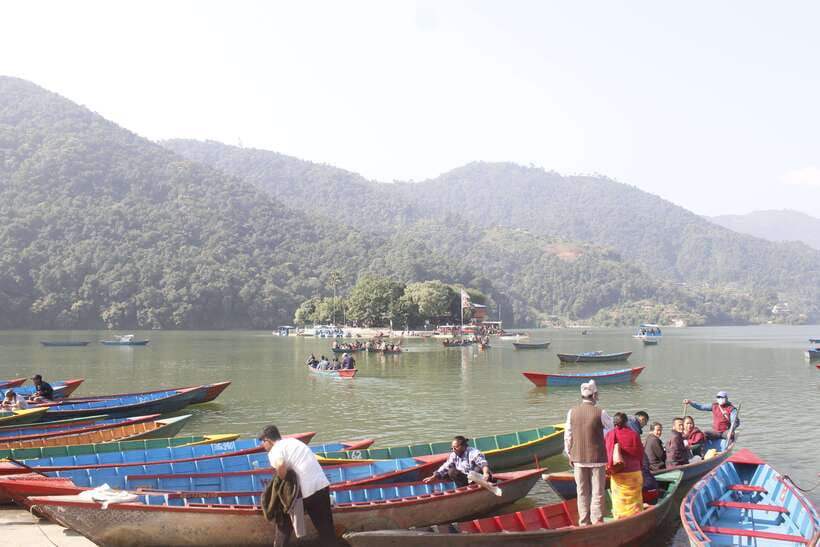
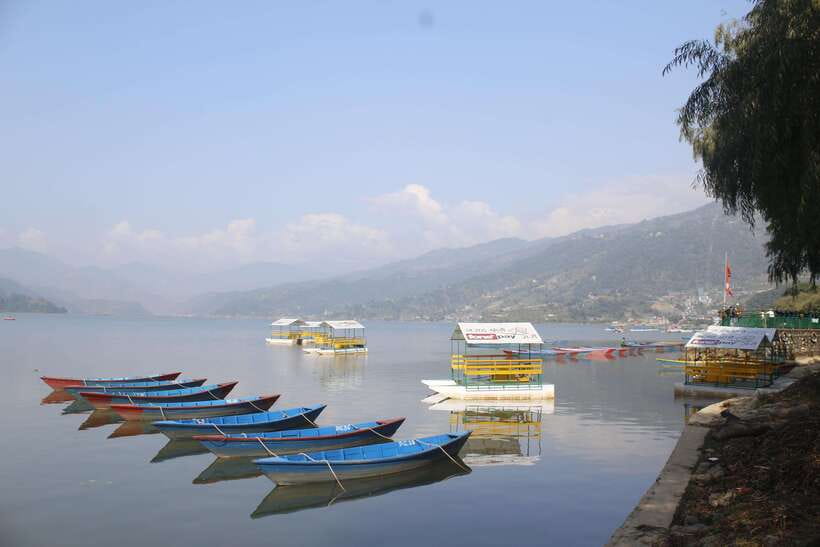
Fewa Lake is the practical end point
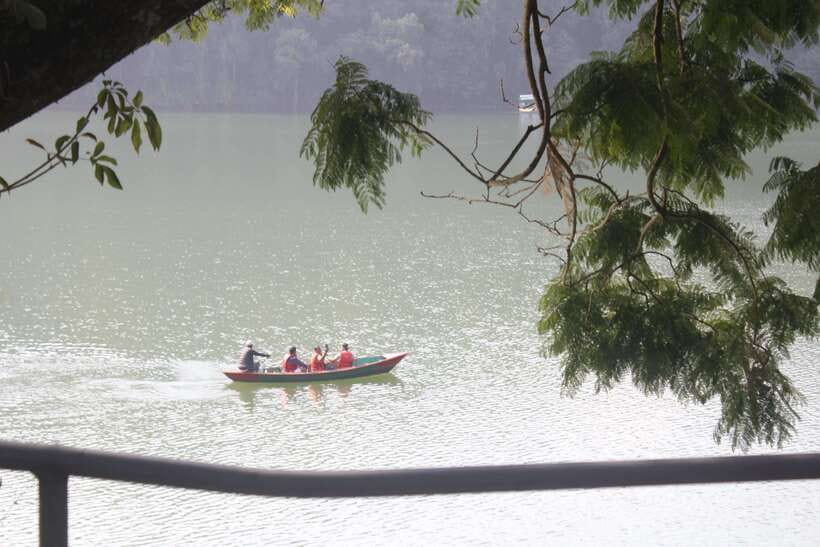
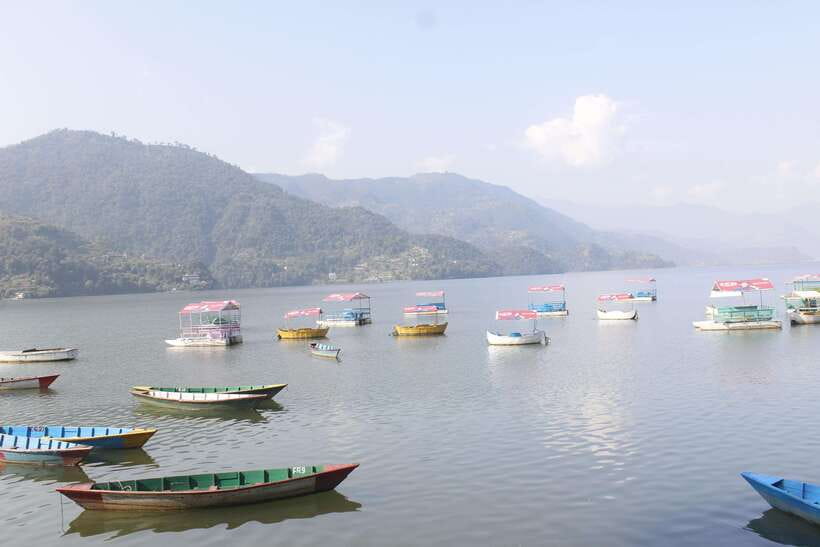
The bus returns toward Fewa Lake, close to the Lakeside hotel area. You can get off there and continue your evening around the lake, or return to your hotel on the same bus if that option is still being offered at the end of the route.
This final arrangement is useful. You are not dropped at an unfamiliar edge of the city, and you can turn the end of the tour into your own Lakeside evening. It also means the bus may be a better choice for sightseeing than for a strict six-hour appointment.
The stated duration is six hours, but actual reports place the day closer to eight hours. Traffic, loading passengers, weather, and the number of stops can all affect the finish. Do not schedule a flight, long-distance bus, or fixed dinner immediately afterward.
Transport, group style, and comfort
The vehicle is a shared tourist bus, not a private car. That keeps the cost low and creates a social atmosphere. People from Nepal, India, and other countries may be on board, and solo passengers have a natural chance to meet others during the day.
The bus itself is basic. Some departures have used non-air-conditioned transport, though air-conditioning has been added or arranged during particularly hot weather. If you are sensitive to heat, ask about the vehicle before departure rather than assuming air-conditioning is included.
Several passengers praised the driver’s skill, which matters on Pokhara’s busy and sometimes rough roads. A careful driver makes a packed sightseeing day more comfortable, but the shared setup still means you have less control over stops, seating, and timing.
The tour is not suitable for wheelchair users, and the caves make it a poor choice for anyone with serious back problems or claustrophobia. Alcohol, drugs, and smoking are not allowed.
What the $12 price really buys you
At $12 per person, this is one of the more economical ways to cover Pokhara’s main sights in one day. You are paying mainly for hotel pickup within Lakeside and shared transport. You are not paying for a private vehicle, a long guided interpretation at every stop, or included meals.
Entry fees are separate and total about $4, according to the provided estimate. Food and drinks are also extra. Pack water and snacks, or plan to buy lunch during the day. One group had a pleasant restaurant stop, but the meal is not part of the published price.
The value is strongest if you lack your own transport. Hiring separate taxis to Pumdikot, the stupa, the caves, Devi’s Fall, and Bindabasini Temple would take more planning and could cost much more. If you already have a scooter and enjoy setting your own pace, you may prefer to visit fewer places independently.
The price also covers more than sightseeing. It gives you a simple way to understand the shape of Pokhara in one day, from hilltop religious sites to caves, river channels, and the Lakeside area.
How to get the most from the schedule
Read about the main sights before you go. Since this is self-guided at most stops, even a few notes about Shiva worship, the World Peace Stupa, the caves, and Bindabasini Temple will make the day more meaningful.
Keep your ticket or payment details, phone, water, sunscreen, and camera in a small day bag. Wear shoes that can handle damp or uneven cave surfaces. Do not carry more than you need, since you will repeatedly leave and return to the bus.
Listen carefully when the departure time is announced. The bus cannot wait indefinitely for one person, and the schedule works only when everyone returns promptly. If you want slow photography, quiet reflection, or extended shopping, this is not the right format.
Free cancellation is available up to 24 hours before departure, and you can reserve now and pay later. That flexibility is useful if mountain weather is uncertain, but you should still confirm pickup details before the morning begins.
Who should book this day out
Book it if you have one spare day in Pokhara, no private transport, and a strong interest in seeing a broad selection of sights. It is especially useful for solo visitors, budget-minded couples, and families who would rather avoid arranging several separate rides.
You will probably enjoy it if you are comfortable exploring independently and meeting a mixed group on a basic bus. The social side is part of the appeal, and several people found the staff polite, helpful, and friendly. Sagar, associated with My Dream Adventure, was singled out for helpful service when arranging activities, including rafting and paragliding.
Choose another format if you want a guide beside you at every monument, plenty of time at each stop, or a quiet private vehicle. The bus covers a lot, but it does so through a fixed timetable. It is an efficient introduction to Pokhara, not a leisurely study of each place.
Should you book the Pokhara seven-destination bus tour?
I would book this tour for coverage, convenience, and price. For $12 plus roughly $4 in entrance fees, you can reach the main caves, temples, viewpoints, waterfall, river, and Shiva statue without managing transport yourself.
I would not book it for detailed guiding or complete control of the day. Go in expecting a shared local-style bus, set stop times, and independent sightseeing. If that sounds right, it is a smart use of one day in Pokhara. If you prefer depth over range, hire a private guide and choose three or four sights instead.
FAQ
How much does the tour cost?
The tour costs $12 per person. Monument entry fees are not included and are estimated at about $4. Food and drinks are also extra.
How long does the tour last?
The stated duration is six hours, but the day can take closer to eight hours depending on traffic, stops, and the route.
Where does hotel pickup take place?
Pickup and drop-off are included for hotels within the Lakeside area of Pokhara.
Is this a private or shared tour?
It is a shared bus tour. The experience may include local, regional, and international passengers.
Is a guide included at each attraction?
The bus has tour staff and transport support, but the sightseeing is generally self-guided. You explore the attractions independently and return to the bus at the agreed time.
Which places does the tour visit?
The route can include Pumdikot’s Shiva statue, World Peace Stupa, Devi’s Fall, Gupteswor Cave, Mahendra Cave, Bat Cave, the Seti River, and Bindabasini Temple. The experience is promoted around seven destinations but may cover around nine stops.
What should I bring?
Bring comfortable shoes, a camera, sunscreen, and water. Food and drinks are not included.
Who should avoid this tour?
The tour is not suitable for people with back problems, claustrophobia, or wheelchair users. Smoking, alcohol, and drugs are not allowed.
Recently added around the world
- Vine Hopper: Hop-On Hop-Off Wine Tour – Northern Route★ 4.5 · 62 reviews
- Vine Hopper: Hop-On Hop-Off Wine Tour – Southern Route★ 4.5 · 64 reviews
- Xi’an 1-Day Coach Tour of Terracotta Army★ 4.5 · 47 reviews
- Xi’an: Terracotta Army Mini-Bus Tour with Options★ 5.0 · 240 reviews
- Valletta: Sunday Vintage Bus to Marsaxlokk★ 4.1 · 117 reviews
- From Stellenbosch: Hop-On Hop-Off Wine Tour Southern Route★ 4.7 · 105 reviews
- Malta: Vintage Bus Ride through the Three Cities★ 4.1 · 112 reviews
- Adelaide Hills & Hahndorf Hop-On Hop-Off Wine Tour★ 5.0 · 136 reviews
Nepal Bus Tours, compared.
Visit Best Seven Tourist Destination by Sharing Bus
Read our review →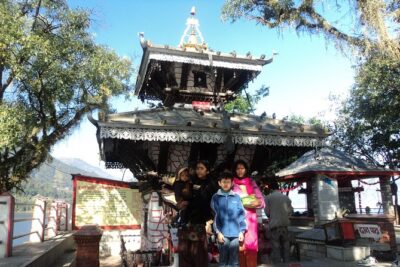
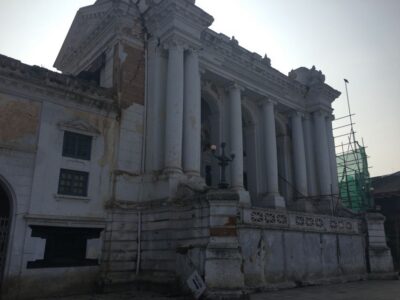
“Explore Kathmandu Rich Heritage: City Highlights Bus Tour”
Read our review →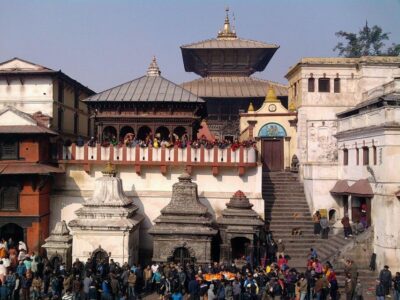
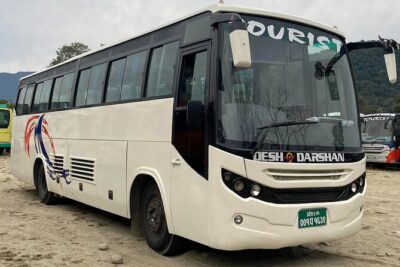
Kathmandu to Chitwan Tour by Tourist Bus – A Convenient and Affordable Way
Read our review →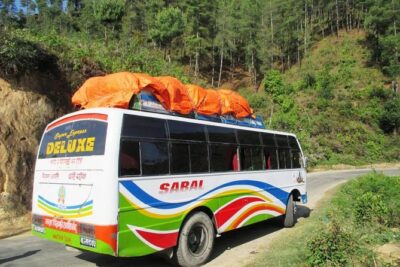
Journey to Dhunche A Scenic Bus Ride to the Gateway of Langtang
Read our review →Browse the lists this tour appears in