
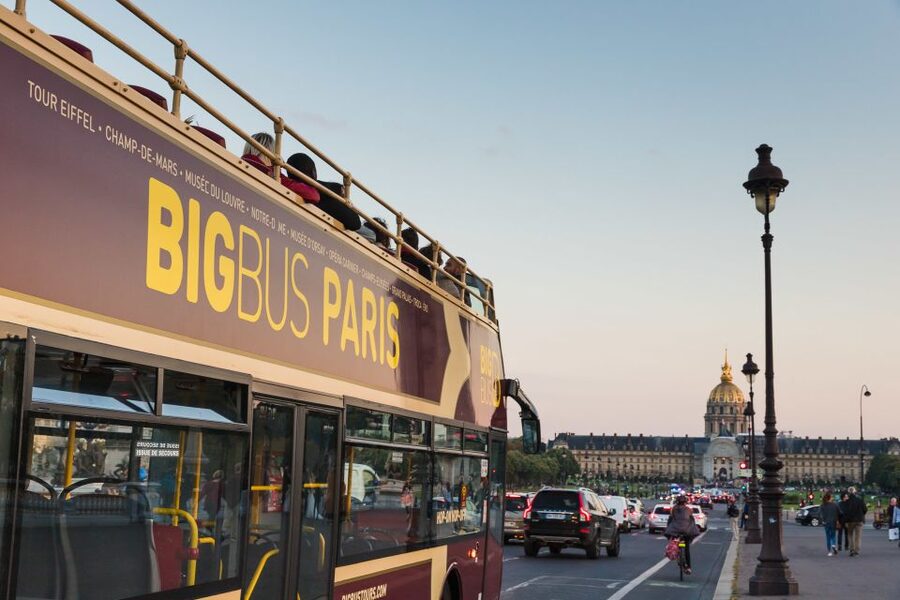
Review · PARIS BUS TOURS
Paris: Big Bus Hop-on Hop-off Tour and Seine River Cruise
Paris is easiest to understand from two angles: above the traffic on an open-top bus, then at water level on the Seine. This combined ticket links the city’s major sights with a one-hour cruise, giving you a useful first look before you decide where to spend your limited time.
I especially like the freedom to hop off at the Eiffel Tower, Louvre, Notre Dame, or Musée d’Orsay, and I like the evening cruise option, when the bridges and monuments take on a different look. The main caution is timing: Paris traffic can slow the bus, and the boat queue may stretch to 60 or 90 minutes at busy times.
Key points
- Two ways to see Paris: Use the open-top bus for broad city views, then see Notre Dame, the Musée d’Orsay, and the bridges from the Seine.
- Choose 24 or 48 hours: A one-day ticket works well for a quick overview, while two days allow more stops and less rushing.
- Eleven listed boarding points: The route includes the Louvre, Notre Dame, Champs-Elysées, Grand Palais, Eiffel Tower, Invalides, and Opéra Garnier.
- Plan the boat carefully: The Les Bateaux Parisiens cruise leaves from Pontoon No. 3 near the Eiffel Tower, and you must reserve a time slot before boarding.
- Useful for families and older visitors: The bus cuts down on walking, has wheelchair ramps, and lets you rest while still seeing the city.
- Expect city traffic: Buses may arrive regularly, but the time between stops can change sharply during busy periods.
Start with the bus for a fast Paris orientation
At $61 per person, this tour makes the most sense when you use it as both transport and sightseeing. A normal city bus may get you from one address to another, but it will not give you the same elevated view, recorded commentary, or open-top perspective along the way.
You can begin at any Big Bus stop. The listed information centre is at 11 Avenue de l’Opéra, near the Louvre-Pyramide area, but you do not have to start there. Add the booking to the Big Bus app using your activity provider reference number, or show your mobile or printed voucher to staff at the information centre or another stop.
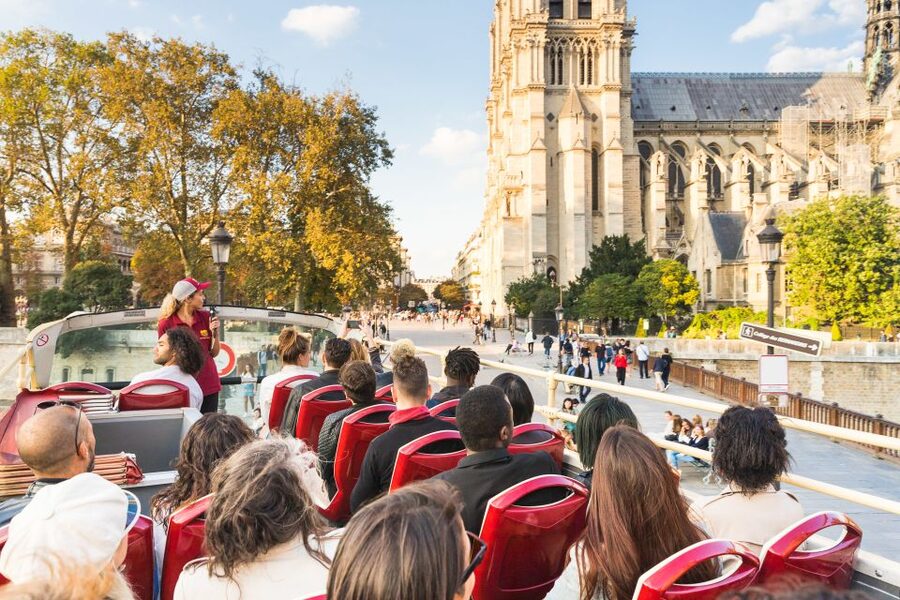
I would start early and ride a full circuit before making too many plans. This helps you understand the distance between the Louvre, Eiffel Tower, Arc de Triomphe, and Notre Dame. It also shows you where you may want to return on foot.
The digital commentary is available in English, French, Spanish, Chinese, German, Italian, Portuguese, Russian, and Korean. Headphones are provided, and the bus has WiFi. The audio can be useful for first-time visitors, though it is not always perfectly timed with the sights. One bus may deliver strong narration, while another may have quieter commentary or music between sections.
More Hop-On Hop-Off Bus Tours in France
- Paris: Tootbus Hop-on Hop-off (Optional River Cruise)
★ 4.3 · 15,279 reviews - Paris: Big Bus Hop-On Hop-Off Tour with Optional Cruise
★ 4.4 · 13,279 reviews - Paris Big Bus Hop-On Hop-Off Tour with Optional River Cruise
★ 4.0 · 6,534 reviews
What each Paris stop gives you
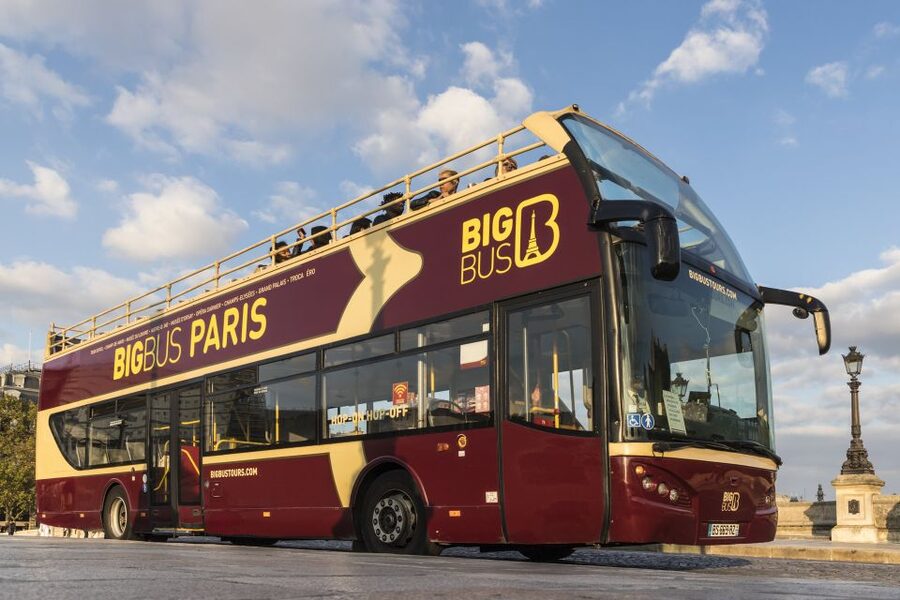
The route covers the city’s headline sights, but each stop suits a different kind of visit. Use the bus for the long connections and walk once you reach the district you want.
Louvre-Pyramide, Big Bus Information Centre: This is a practical place to activate your ticket, ask questions, and begin near the Louvre. The museum itself is vast, so do not assume a quick hop off gives you enough time to see it. If you want an actual museum visit, pair this stop with a separate timed entry plan.
Louvre, Pont des Arts: This stop places you near the Seine and the Pont des Arts. It is a good choice if you want to walk beside the river, approach the Louvre from the water, or connect a bus ride with the start of your sightseeing cruise later in the day.
Notre Dame: The stop at 3 Rue Lagrange brings you close to the cathedral area and the historic center. This is a strong place to hop off for a walk along the Seine and through the nearby streets. Allow extra time here, since the bus only gets you to the district. It does not replace time spent exploring on foot.
Musée d’Orsay: The stop at 58 Place Henry de Montherlant is useful for the famous former railway station and its art collection. Even if you do not enter the museum, this section of the river gives you fine views toward the Louvre and the bridges. The river cruise also passes the Musée d’Orsay, so you can see it from both land and water.
Champs-Elysées: At 156 Avenue des Champs-Elysées, you are on one of Paris’s best-known avenues. This stop works well for a walk toward the Arc de Triomphe, though traffic and crowds can make the area slow. It is better for a planned stop than a quick photo break.
Grand Palais: Avenue Winston Churchill puts you near the Grand Palais and the broad open space around the Champs-Elysées. This is a useful stop for combining several monuments in one walk, including the Petit Palais area and the route toward the river.
Iena: Avenue Iéna gives you access to the Trocadéro and the Eiffel Tower area from another direction. If the Eiffel Tower stop is crowded, this can provide a different approach, though you should check the exact walking route before getting off.
Eiffel Tower: This is Stop 8 at Quai Branly, Entrée 2 Tour Eiffel, and it is also the key point for the cruise. The boat departs from Pontoon No. 3 at Port de la Bourdonnais, close to this bus stop. Plan carefully here because the Eiffel Tower area is one of the busiest parts of the route.
Champ de Mars: Avenue Joseph Bouvard gives you another Eiffel Tower and park-area option. It can be handy if you want a little more walking space or are approaching the tower from the Champ de Mars side.
Opéra Garnier: The bus stops facing 15 Rue Scribe, placing you near the grand opera house and the department-store district. This is a good stop for architecture, shopping, and a different side of central Paris beyond the river monuments.
Invalides: At 2 Avenue de Tourville, you are near the golden dome of Les Invalides. It is one of the more striking sights from the road, and a useful stop if military history and grand French architecture interest you.
The supplied route information describes 10 available stops, while the detailed stop list names 11 locations. Treat the app and the staff at the stops as your final source for the current operating pattern.
The Seine cruise adds what the bus cannot
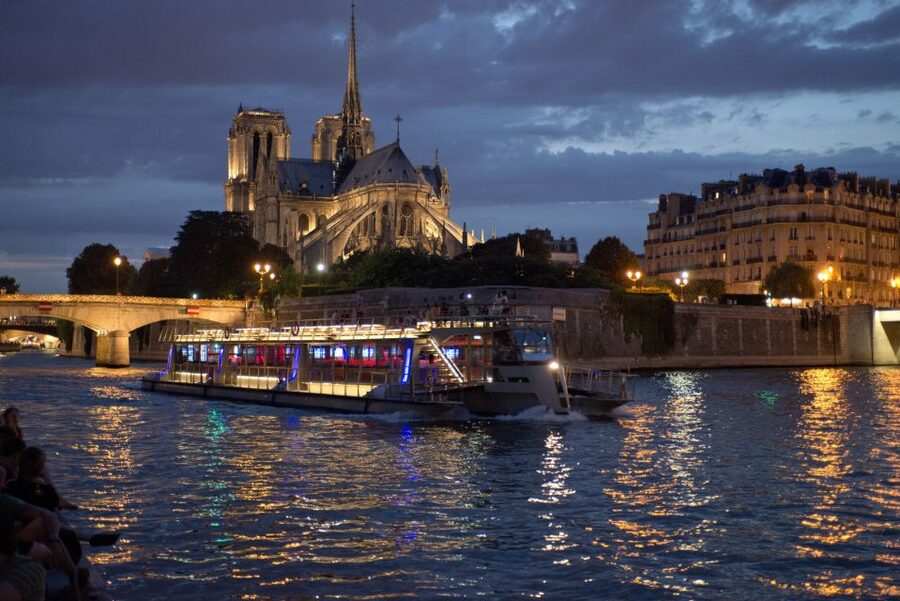
The one-hour cruise is not just an extra ride. It changes the scale of Paris. From the river, you see the fronts of monuments that can feel scattered when you are walking through the streets.
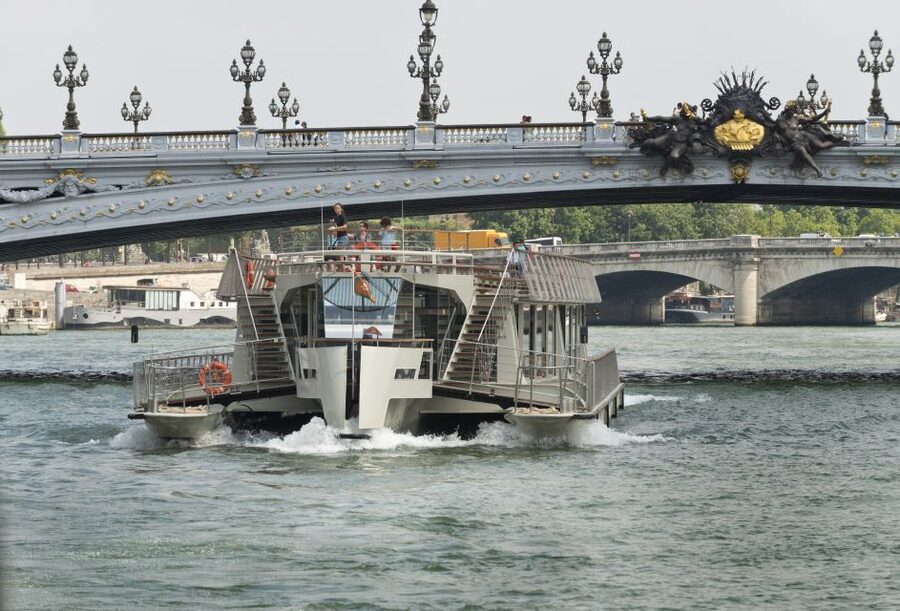
Les Bateaux Parisiens operates the boat from Pontoon No. 3 at Port de la Bourdonnais. Departures are every 45 minutes from 10:30 a.m. to 9 p.m., with departures every 30 minutes on weekends. You must choose a time slot before boarding.
You can select the slot in the Big Bus app under Complete Actions, online through Manage My Booking, or with a Big Bus staff member. Do not leave this until the last minute. The boat can be crowded, and a full departure may mean waiting for the next one.
The cruise passes Notre Dame, the Musée d’Orsay, famous bridges, and other central monuments. The commentary on the boat is generally clear and useful, and the river gives you a calm break after dealing with traffic and walking.
I would choose a late-afternoon or evening departure if your schedule allows. Daylight helps with architectural detail, while a later sailing gives you Paris lights and reflections. The exact experience depends on the season and the crowd, so do not build a tightly timed dinner or museum booking immediately afterward.
How to use 24 hours without wasting the ticket
A 24-hour ticket can work well for a short visit, but only if you treat it as a moving sightseeing route rather than a guaranteed taxi replacement.
Start in the morning with a full loop or a long section of the route. Listen to the commentary and note the stops you want to revisit. Then get off at one major area, such as the Louvre, Notre Dame, or the Eiffel Tower.
After exploring, use the bus for another connection. A practical pattern is Louvre in the morning, Notre Dame and the river area around midday, then the Eiffel Tower and cruise later. This sounds simple, but traffic may stretch the journey, so keep your plans loose.
The 24-hour validity also allows a clever split day. One person used the ticket in the morning with an elderly parent, then returned at night to see Paris lit up. That is a good reminder that the pass is based on time, not on one continuous ride.
More Hop-On Hop-Off Bus Tours in Paris
- Paris: Big Bus Panoramic Night Tour by Open-Top Bus
★ 4.4 · 4,168 reviews - Paris Tootbus Hop-On Hop-Off Bus Tour (Optional Cruise)
★ 3.5 · 3,105 reviews - Paris: Hop-on Hop-off Bus Tour & Seine Cruise Bundle Tour
★ 4.4 · 3,009 reviews - Paris: Tootbus Open-Top Christmas Bus Tour
★ 4.0 · 1,365 reviews
Why 48 hours is the calmer choice
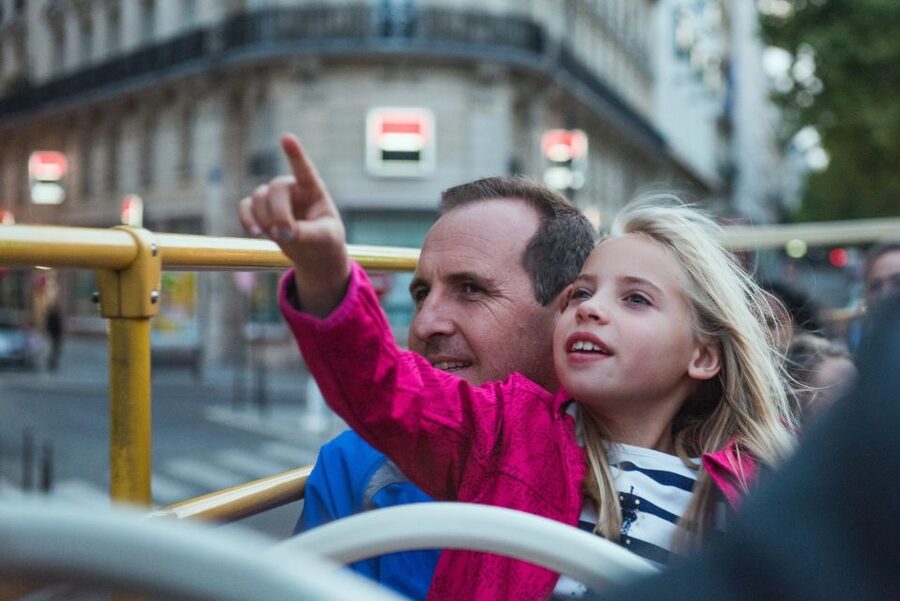
The 48-hour option costs more than the one-day ticket, but it gives you room to stop properly. You can use the first day for orientation and the second for selected neighborhoods and sights.
On day one, ride the bus, take the cruise, and stop only where you have a clear plan. On day two, use the route to reach the Eiffel Tower, Invalides, Opéra, or Champs-Elysées without trying to fit every major attraction into one long circuit.
This longer pass is especially useful for families, older visitors, and anyone who wants fewer long walks. It also protects you from a missed connection. If the boat queue is long or a bus is caught in traffic, you have another day to use the ticket.
The catch is simple: you need enough sightseeing time to use it. If you are in Paris for only a few hours, walking and public transport may be cheaper. At $61, the ticket earns its value when you use several bus sections, take the cruise, and avoid separate transport costs between distant sights.
Traffic, queues, and the limits of hop-on hop-off
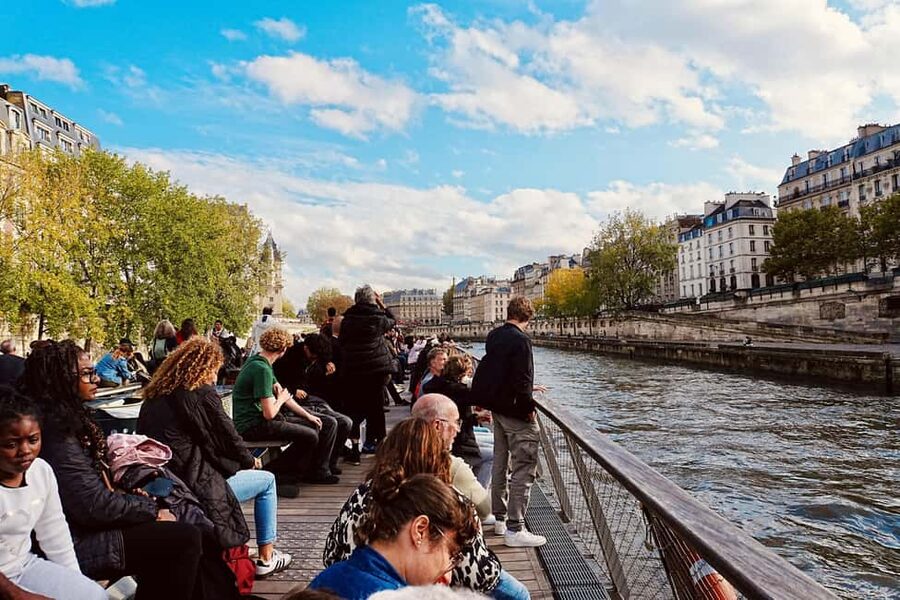
The main weakness is not the route. It is Paris traffic. A journey that looks short on the map can take much longer, and the interval between stops can become unpredictable. One ride covered only three stops in 45 minutes because of a very slow driver and traffic conditions.
Buses are described as regular and clean, but they can be crowded. Some buses have air conditioning, while the open upper deck may be uncomfortable in rain, snow, or cold weather. The roof may not offer full protection, so check the forecast and bring a light waterproof layer.
The recorded commentary may also vary from bus to bus. It can be informative in the morning, then shift toward music with less narration later in the day. If the headphone sound fails, change buses and tell a staff member rather than assuming the whole service is affected.
At the river, the queue can be the bigger problem. A boat line may hold hundreds of people, and waiting 60 to 90 minutes is possible at busy times. Reserve a slot early and arrive with patience. The cruise is worth including, but it is not a quick add-on you can squeeze between two fixed appointments.
Families, older visitors, and wheelchair users

This tour is a practical choice if you want to see the major sights without walking across all of central Paris. Children can watch the city from the upper deck, and older adults can rest while the bus handles the longer stretches.
All buses have a wheelchair ramp, and the activity is listed as wheelchair accessible. Still, you should speak with staff at a stop if you need help choosing the best boarding point or bus. The cruise is operated by a separate partner, so confirm the boarding arrangement when you select your time.
The route also works for first-time visitors who need to get their bearings fast. It shows how the Louvre, river, Eiffel Tower, Champs-Elysées, and Opéra relate to one another. For repeat visitors, the value is less about discovering unknown corners and more about reducing transport effort.
Audio, staff, and day-to-day service
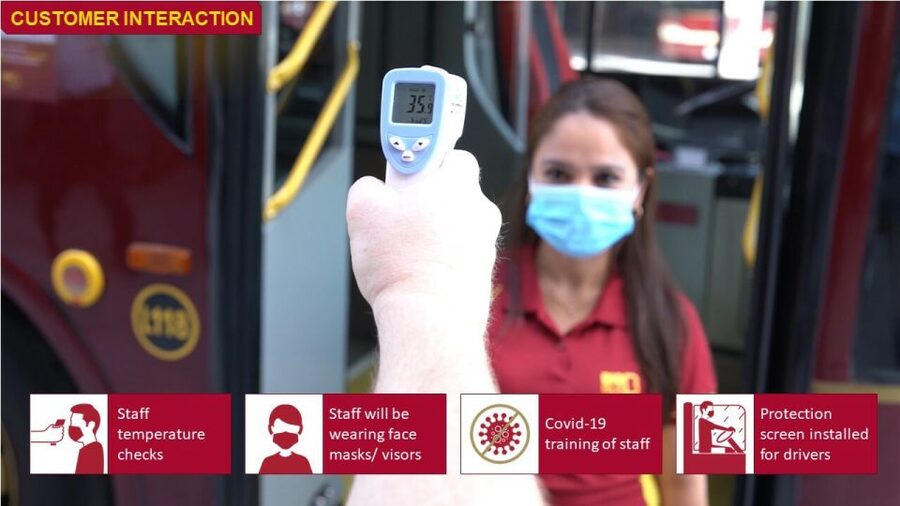
The app adds live bus tracking, which is one of the most useful parts of the package. Use it to avoid standing at a stop without knowing when the next bus is due.
Staff are available at stops and can help point you to the correct boarding place. That matters because Paris streets can make a stop look less obvious than expected. There have also been occasional problems with unclear directions, especially around the Eiffel Tower and the cruise boarding point, so ask directly for Pontoon No. 3 at Port de la Bourdonnais.
The driver speaks English or French, while the recorded guide covers a wider set of languages. The quality of the narration can change between buses, but when it is working well, it gives useful context as you move from one landmark to the next.
Is this Paris tour worth $61?
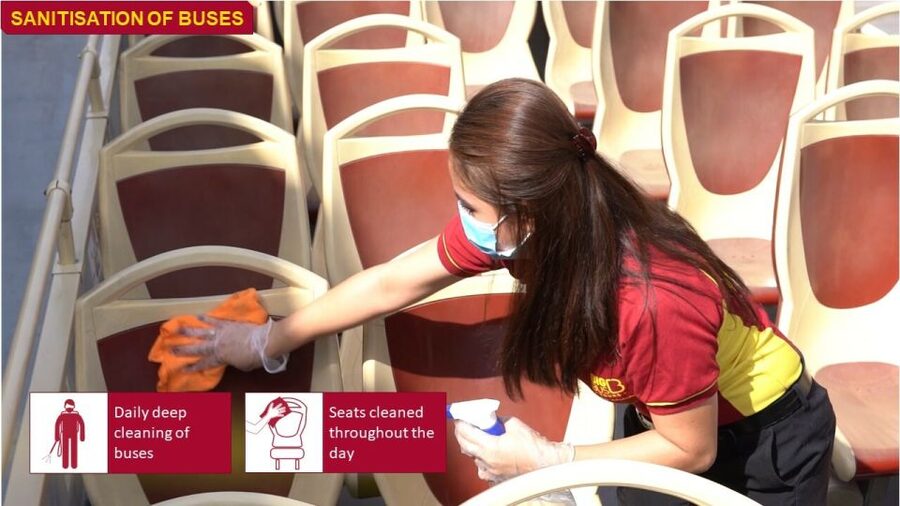
I think the price is fair if you use the ticket actively. You are paying for a 24- or 48-hour sightseeing bus, audio commentary, WiFi, live tracking, and a one-hour Seine cruise. That combination is more useful than a bus-only ticket for a first visit.
The value drops if you spend most of the day inside one museum or waiting in lines. It also drops if you expect the bus to run on a strict timetable. Traffic is part of the deal, and the route cannot move faster than the city around it.
For two adults trying to cover the Eiffel Tower, Louvre area, Notre Dame, Musée d’Orsay, Champs-Elysées, and Invalides, the pass can save energy and simplify transport. For a visitor who prefers quiet side streets and long walks, it may feel too tourist-focused.
Should you book it?
Book this tour if you have one or two days, want to see Paris’s major sights quickly, or need a low-walking way to move around the center. I would choose 48 hours for a relaxed visit, then schedule the cruise early enough that a long queue does not spoil the evening.
Choose 24 hours if your time is short and you are ready to plan around traffic. Start early, use the app, reserve the cruise slot before arriving at the pier, and keep fixed appointments separate from bus travel.
Skip it if you want a tightly timed schedule or plan to explore mainly on foot. For most first-time visitors, families, and anyone wanting a broad view before choosing where to return, the bus and Seine combination is a useful introduction to Paris.
FAQ
How long is the Big Bus ticket valid?
You can choose either a 24-hour or 48-hour hop-on hop-off ticket.
Can I start the bus tour at any stop?
Yes. You can begin at any Big Bus stop along the route.
Where does the Seine cruise depart?
The cruise departs from Pontoon No. 3 at Port de la Bourdonnais, near Bus Stop 8 at the Eiffel Tower.
How often do the Seine cruises depart?
Cruises depart every 45 minutes from 10:30 a.m. to 9 p.m. On weekends, departures are every 30 minutes.
Do I need to reserve a cruise time?
Yes. You must choose a time slot before boarding. You can do this in the Big Bus app, online through Manage My Booking, or with Big Bus staff.
Is the bus wheelchair accessible?
Yes. All buses have a ramp for wheelchair access.
Is hotel pickup included?
No. Hotel pickup and drop-off are not included.
Recently added around Paris
- Paris Lights Evening Bus Tour with Eiffel Tower Summit Option★ 3.5 · 315 reviews
- Paris: Eiffel Tower Tickets and City Bus Tour★ 3.7 · 631 reviews
- Paris Big Bus Open Top Panoramic Night Tour★ 4.0 · 874 reviews
- Paris: Openair Double Decker Bus Audio-Guided City Tour★ 3.5 · 938 reviews
- Eiffel Tower and City Tour by Bus with Seine River Cruise Option★ 3.5 · 1,013 reviews
- Paris: City and River Seine Tour on an Amphibious Bus★ 4.6 · 1,052 reviews
- Paris: Tootbus Panoramic by Night Bus Tour with Audioguide★ 4.3 · 1,126 reviews
- Paris: Tootbus Open-Top Christmas Bus Tour★ 4.0 · 1,365 reviews
Hop-On Hop-Off Bus Tours, compared.
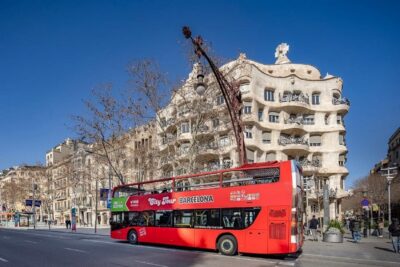

City Sightseeing Hop-on Hop-off Bus with Audioguide
Read our review →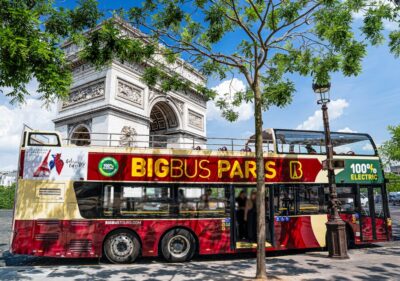
Tootbus Hop-on Hop-off (Optional River Cruise)
Read our review →Big Bus Hop-On Hop-Off Tour with Optional Cruise
Read our review →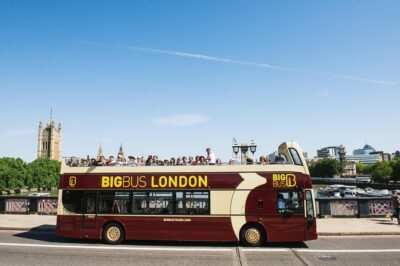
London Big Bus Hop-On Hop-Off Tour with Optional River Cruise
Read our review →
Big Bus Hop-on, Hop-off Open-Top Sightseeing Tour
Read our review →
Browse the lists this tour appears in