
Review · PARTY BUS & PUB CRAWL TOURS
Nairobi: Party bus(matatu) adventure experience
Nairobi’s transport system is part daily commute, part street art, and sometimes a rolling nightclub. This 210-minute private tour lets you compare a regular city bus with a decorated party matatu, while a guide explains how Nairobi’s bus culture developed. I like the direct contact with ordinary city life, and I like that the tour treats transport as culture rather than just a way to get from one stop to another.
The strongest points are the walk through the CBD, the chance to see several matatu styles, and the flexibility of a private guide. The main caution is that this is not a sealed sightseeing coach. You wait for a public bus to fill, pay your own fare, and accept the safety and traffic conditions of Nairobi’s roads.
Key points at a glance
- Start at KICC: Meet at the entrance of the Kenyatta International Convention Centre, opposite the Office of the Governor Nairobi.
- See two sides of transport: Compare calm, practical city buses with colorful matatus fitted for music and entertainment.
- Ride with local commuters: The bus section uses public transport, so you may wait briefly while a vehicle fills with passengers.
- Explore key routes: The experience can include Westlands, Ngong Road, and Eastlands, each offering a different view of Nairobi’s bus culture.
- Bring extra cash: Bus fare, food, drinks, KICC entry, and any optional viewing fee are not included.
- Expect a flexible private tour: The guide can adjust the plan, but public traffic and bus availability affect the pace.
Nairobi transport becomes the main attraction
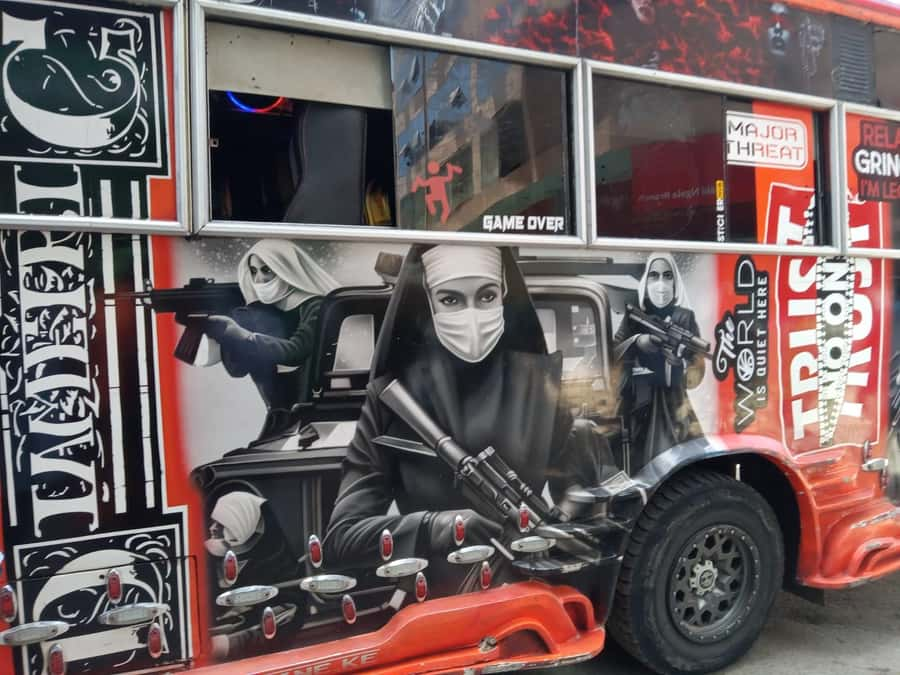
Most city tours use a vehicle to show you Nairobi. This one makes the vehicle itself the subject. You begin with the practical side of the city’s transport system, then move toward the loud music, painted panels, and party atmosphere associated with many matatus.
That contrast is the reason to book. A regular bus is designed to move workers and residents efficiently. A party matatu turns the same basic idea into a piece of moving entertainment, with bold graphics, strong sound systems, and a very different mood.
I like this approach because it gives you a more ordinary view of Nairobi. You are not only looking at monuments through a window. You are walking through the CBD, standing at a bus stage, watching vehicles come and go, and seeing how transport fits into daily routines.
The experience is not a private party bus charter in the usual tourist sense. You do not get a dedicated vehicle carrying only your group for the entire ride. The public bus portion may include local passengers commuting for work or other business, and you wait until the bus has enough passengers to depart.
That detail matters. If you expect a nightclub on wheels from the moment you meet your guide, you may be disappointed. If you want to understand how Nairobi’s regular buses and party matatus differ, the arrangement gives you a useful comparison.
More Party Bus Tours in the world:
- Istanbul Party Pub Crawl with Party Bus in Sultanahmet and Taksim
★ 5.0 · 1,882 reviews - Nashville’s Wildest Honky Tonk Public Party Bus (21+)
★ 5.0 · 1,305 reviews - Aruba Nightlife and Barhopping on Chogogo Party Bus
★ 4.5 · 1,201 reviews
Meeting at KICC and walking through the CBD
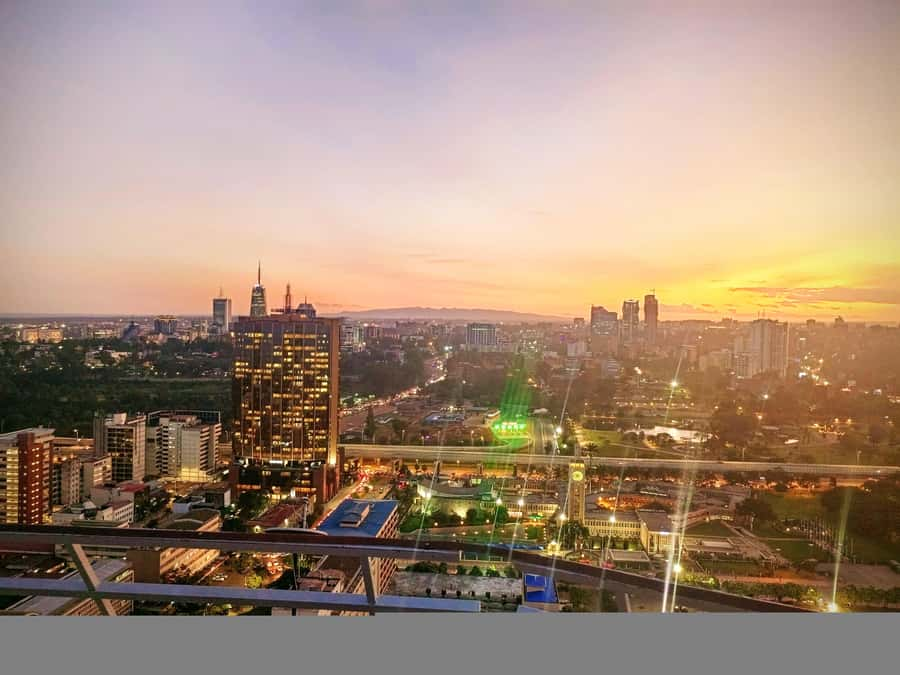
The meeting point is the entrance of the Kenyatta International Convention Centre, opposite the Office of the Governor Nairobi. KICC is a practical landmark in central Nairobi, but take care to meet at the specified entrance rather than assuming any entrance will do.
The tour begins with a walk through the CBD. This part helps you get your bearings before the bus rides begin. Your English-speaking guide explains the role of ordinary city buses, privately owned matatus, and the newer party-bus style that has made local transport more closely tied to music and art.
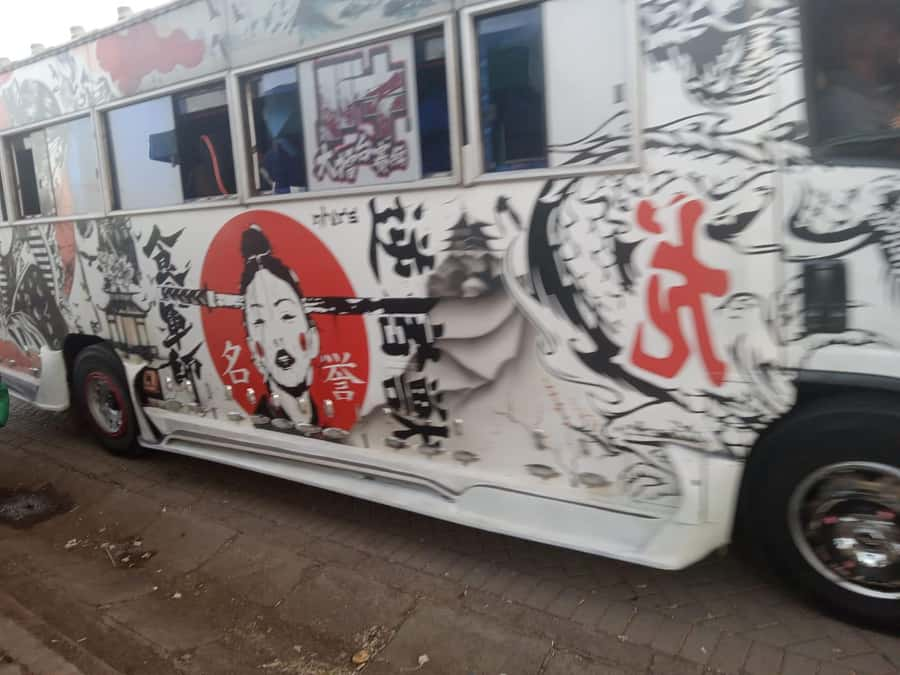
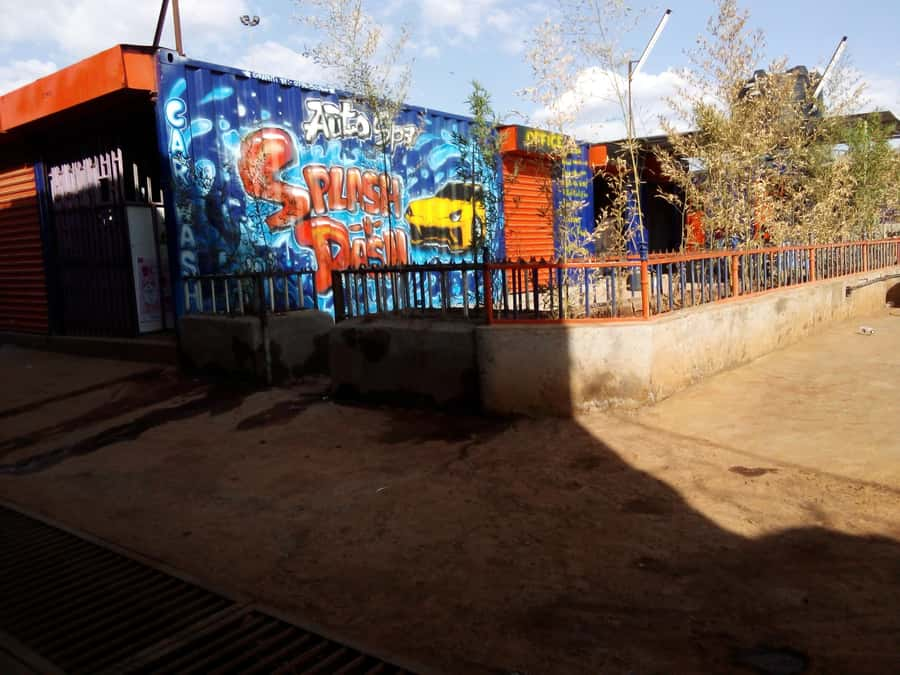
The walking sections are important because you can see the vehicles at close range. From a passing car, you may notice only bright paint or loud sound. On foot, you can look at the graphics, compare body styles, and understand how much personality owners put into their vehicles.
The city-center portion also sets realistic expectations. This is not a polished museum display. You are moving around an active transport hub, where buses serve people going to work and running errands. Keep your belongings secure and follow the guide’s instructions around traffic and crowded areas.
The regular bus ride to Westlands
The first ride is intended to show the ordinary side of Nairobi transport. Buses such as Citi Hoppa and Super Metro are used as practical commuting options, and the atmosphere is generally calmer than on a party matatu.
The suggested route heads toward Westlands, a major commercial area. This ride gives you a useful baseline. Instead of immediately judging the party bus as a novelty, you first see why regular buses remain essential: they offer a straightforward way for people to move around the city.
The public nature of the ride affects timing. You may need to wait while other passengers board and the bus fills. That wait was not long for one small group, but it remains part of the experience and can vary with traffic, time of day, and bus availability.
You also pay the fare yourself. The activity information lists bus fare separately at 500 Kenyan shillings, while the reported ride cost was 100 Kenyan shillings per person for one 20 to 30-minute direction, with the return costing the same. Because the amount can depend on the route and vehicle, carry Kenyan shillings and confirm the expected fare with your guide before boarding.
This is one area where the advertised price can look lower than your final spending. The $32 tour price covers the guide, bottled water, and security, but it does not cover the public transport rides. Add a little extra for fare rather than arriving with only the booking price in mind.
Choosing between Ngong Road and Eastlands
The experience presents two different ways to see Nairobi’s matatu culture. Ngong Road is described as the creative route, while Eastlands is presented as the heart of matatu culture.
A ride along Ngong Road is useful if you want to focus on visual style and the way art appears on public vehicles. You can expect the guide to point out decorated matatus and explain how the designs help turn an everyday bus into a recognizable local statement.
Eastlands offers a stronger connection to the everyday matatu scene. The route is framed as a place where the culture feels especially central to local transport. It may suit you if you want to see how music, custom paintwork, and public travel work together beyond the central business district.
The exact route and sequence are not fully fixed in the information provided. Ask your guide at the start whether your group will take Ngong Road, Eastlands, or both. That simple question will help you understand how much time is available for each area.
More routes around the world:
- Mt Fuji and Hakone 1-Day Bus Tour Return by Bullet Train
★ 5.0 · 26,383 reviews - Barcelona: 24 or 48-Hour Hop-On Hop-Off Bus Tour
★ 4.4 · 20,872 reviews - London: Warner Bros. Studio Harry Potter Tour & Branded Bus
★ 4.7 · 19,194 reviews - Rome: City Sightseeing Hop-on Hop-off Bus with Audioguide
★ 4.0 · 16,045 reviews
Inside the party matatu
The party bus is the lively half of the comparison. These vehicles are known for loud music, striking artwork, and a festive mood. The point is not simply to travel faster or more comfortably. The point is to see how Nairobi has turned a commuter vehicle into a moving social space.
You may need to wait for the selected matatu to fill with ordinary passengers before setting off. That can feel different from a private entertainment booking, but it is also what makes the experience more connected to real city transport.
The party matatu serves several purposes at once. It is a bus for getting around, a canvas for graphic art, and a sound system on the road. The difference from a normal city bus is easy to understand once you have experienced both in the same outing.
The guide also explains the wider effects of this bus culture. Party buses create work for DJs, drivers, and event planners, while giving local artists a large and highly visible place to display their work. For you, that context turns a flashy ride into a lesson about Nairobi’s urban identity.
What the comparison tells you about Nairobi
The regular bus and the party matatu are not competing versions of the same tourist product. They serve different needs.
A normal city bus focuses on affordable transport and routine. Passengers may sit quietly, check their phones, or listen to music while moving through the city. A party matatu is more expressive, more theatrical, and usually more expensive because it is aimed at special outings and entertainment.
That difference says something useful about Nairobi. The city has found room for practical public transport and strong creative expression within the same system. The buses are not only machines. They reflect taste, neighborhood identity, music, design, and business.
I like that the tour explains this without separating culture from daily life. You do not visit a gallery and then hear about matatus in theory. You see the art on the vehicles and then ride the transport system that gives the art its audience.
Safety, traffic, and the limits of the experience
You should take the safety information seriously. One published rating specifically raised concern about traveler security, and a separate outing included a minor collision involving a matatu and another car. No one in that account described serious injury, but the group chose to return to the KICC area afterward.
The guides were flexible in that situation. They helped arrange a normal matatu back toward KICC, which cost 20 Kenyan shillings per person for a short five to ten-minute ride. The group then went to the KICC heli pad, where an additional fee applied.
This detail gives you a fair picture of the tour. The guides can respond when plans change, but they cannot control Nairobi traffic, public vehicles, or road incidents. Families with young children should think carefully about the public transport element, particularly if the children are uneasy around loud music, crowded vehicles, or unpredictable traffic.
Keep valuables close and avoid bringing anything you do not need. Drones, alcohol, and drugs are not allowed, and feeding animals is also prohibited. The tour includes security, but that should not be taken to mean that normal city awareness is unnecessary.
What the $32 price really covers
At $32 per person, the price is reasonable if you want a guided introduction to Nairobi’s bus culture rather than a conventional sightseeing circuit. Your fee includes a professional guide, bottled water, security, and a private group arrangement.
The value comes mainly from interpretation and access to a local routine. Without a guide, you could ride a bus, but you would miss much of the background about Nairobi’s transport history and the difference between ordinary buses and party matatus.
The price does not cover everything. You pay separately for:
- Public bus fare
- Food and drinks
- Entry to KICC
- Any extra attraction or viewing fee, such as the heli pad
The bus fare needs particular attention because the stated amount and the reported amount do not match perfectly. Bring enough Kenyan cash for several rides and ask the guide what the current fare will be before boarding.
Who will enjoy this private 210-minute tour
I would recommend this experience to you if you are curious about everyday Nairobi, enjoy public transport, or want to see how local design and music shape city life. It is also a good fit if you prefer a small private group and want the guide to explain what you are seeing as you go.
It suits adults and older children who can handle walking, waiting, and a public bus ride. The flexible format can be helpful if your group wants to spend more time looking at matatus or shorten the ride if the situation becomes uncomfortable.
I would not choose it if you want a guaranteed private party vehicle, a carefully timed route, or a quiet sightseeing trip. It is also not ideal if you need a fully controlled environment with no exposure to traffic or ordinary commuter crowds.
Contact the provider if you have booked but have not received a response, especially for a late booking. Starting times vary, so check availability before making plans around the 210-minute duration.
Should you book the Nairobi party matatu experience?
Book it if you want an unusual and grounded look at Nairobi, and if the public transport element is part of the appeal rather than an inconvenience. The strongest parts are the CBD walk, the comparison between normal buses and party matatus, the guide’s explanation of transport culture, and the flexibility of a private group.
Think twice if you are expecting a guaranteed party atmosphere or a private vehicle from start to finish. The ride depends on public buses, passenger demand, traffic, and road conditions. Carry cash, allow some schedule flexibility, and treat the $32 price as the starting cost rather than the full day’s spending.
FAQ
Where does the tour start?
It starts at the entrance of the Kenyatta International Convention Centre, opposite the Office of the Governor Nairobi.
Where does the tour finish?
The experience returns to the Kenyatta International Convention Centre.
How long does the experience last?
The scheduled duration is 210 minutes, or three and a half hours.
What language is the guided tour offered in?
The live tour guide speaks English.
Is this a private tour?
Yes. The activity is arranged for a private group, although the bus rides use public transport and may include local passengers.
Is bus fare included in the price?
No. Bus fare is listed separately at 500 Kenyan shillings. A reported ride used 100 Kenyan shillings per person for one 20 to 30-minute direction, so confirm the current fare with the guide and carry extra cash.
What is included?
A professional guide, bottled water, and security are included.
Is food included?
No. Food and drinks are not included.
Is entry to KICC included?
No. Entry to the Kenyatta International Convention Centre is separate, and payment can be made by card.
Can I cancel for a full refund?
You can cancel up to 24 hours in advance for a full refund. The activity also offers a reserve-now, pay-later option.
Recently added around the world
- London’s Family-friendly Routemaster Bus Tour with Live Guide★ 5.0 · 18 reviews
- London Tour Hop-on Hop-off Bus with Optional Thames River cruise★ 3.5 · 39 reviews
- London Vintage Bus Tour with Cream Tea at Harrods★ 4.0 · 145 reviews
- London Vintage Bus Tour Including River Thames Cruise with Optional Lunch★ 4.0 · 286 reviews
- Christmas Lights Open-Top Bus Tour★ 4.0 · 31 reviews
- London Discovery by Day and by Night Hop-On Hop-off Tours★ 3.5 · 48 reviews
- London: Guided Sightseeing Tour on a Vintage Open-Top Bus★ 4.5 · 17 reviews
- 2 Day London Hop-On Hop-Off River Thames Sightseeing Pass★ 4.5 · 18 reviews
Party Bus & Pub Crawl Tours, compared.
Istanbul Party Pub Crawl with Party Bus in Sultanahmet and Taksim
Read our review →
Nashville’s Wildest Honky Tonk Public Party Bus (21+)
Read our review →
Aruba Nightlife and Barhopping on Chogogo Party Bus
Read our review →


Browse the lists this tour appears in