
Review · HISTORICAL TOURS
Heritage tour of Phnom Penh in electric bus
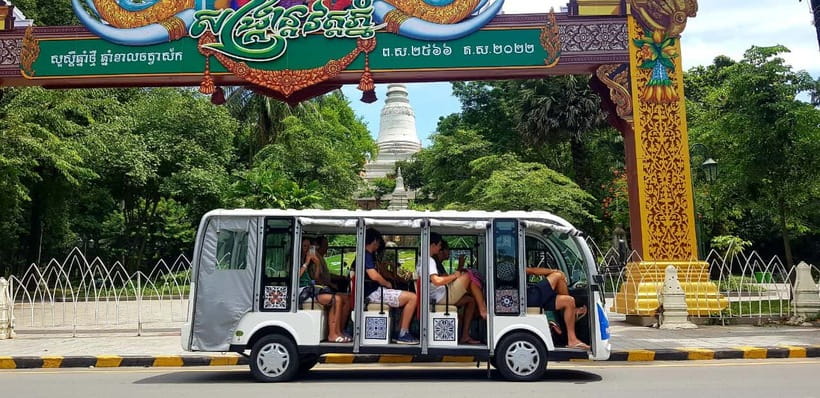
Phnom Penh’s past is easier to grasp from an electric bus than from a hot tuk-tuk ride between scattered sights. This 2.5-hour tour links 19 stops and 22 historic places, using a guide, tablet films, vintage photos, and stories about everything from French-era city planning to the Khmer Rouge years.
I like the chance to enter three unusual places, including an Hokkien temple, the National Library, and the Royal University of Fine Arts. I also like the practical finish on Street 240, near the Royal Palace and riverside, where you can carry on exploring. The main drawback is that this is an overview, not a full visit to every site, and Phnom Penh’s heat can still make even a comfortable bus tour tiring.
Key points before you book
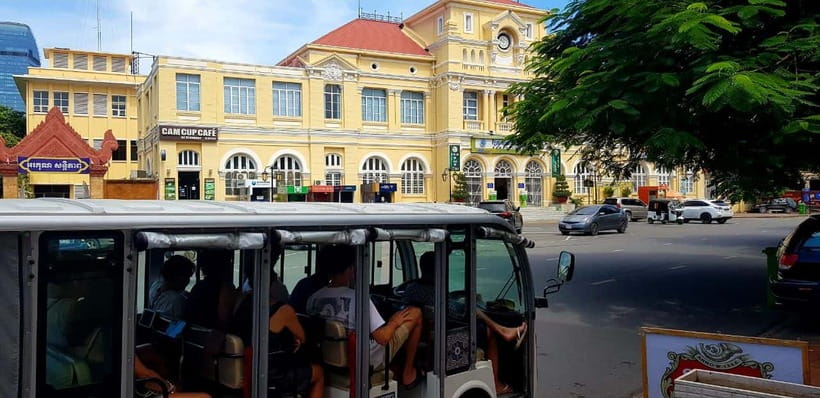
- Nineteen stops cover 22 places: The route gives you a broad introduction to Phnom Penh rather than focusing on just one museum or monument.
- A tablet adds what the street cannot show: Films, vintage photographs, and virtual building visits help you see interiors closed to the public.
- Three unusual walk-in stops: You may enter an Hokkien temple, the National Library, and the Royal University of Fine Arts during the tour.
- The electric bus keeps the ride easier: It offers a calmer way to cross the city, especially during hot weather.
- Ten audio languages are available: Choose from Cambodian, Chinese, English, French, German, Italian, Japanese, Korean, Russian, and Spanish.
- The ending is useful for independent sightseeing: Street 240 puts you close to the Royal Palace and the riverside.
Why this bus tour is a smart first look at Phnom Penh
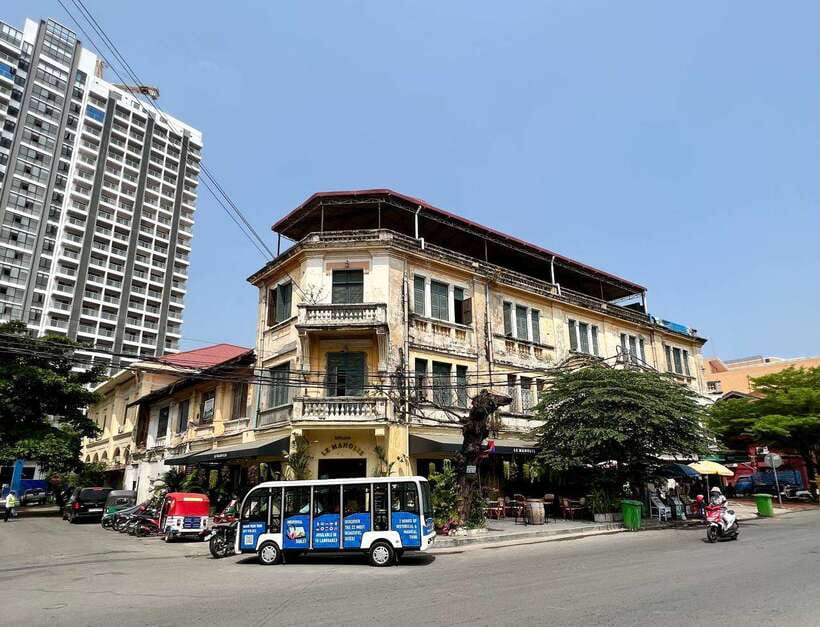
Phnom Penh can feel hard to read at first. The city has royal monuments, colonial buildings, markets, religious sites, modern businesses, and painful reminders of recent history, all close together. A first-time visitor may see the buildings without understanding how they fit into the city’s story.
This tour gives you that framework. Its central idea is to trace Phnom Penh’s change from a fishing village into Cambodia’s capital, then follow the city through French urban planning, Art Deco design, royal life, the habits of the early twentieth-century elite, and the dark period of the Khmer Rouge regime.
That range matters. You are not simply ticking off monuments. You are learning why certain districts look the way they do, why French influence appears in the city’s layout, and how Phnom Penh’s social and political life changed over time.
I would use this tour early in a stay. Once you know the broad shape of the city, later visits to the Royal Palace, museums, markets, and colonial-era streets make more sense.
More history along the route around the world:
- Prague: Historic City Center Bus Tour with Top Sights
★ 4.4 · 2,360 reviews - 2-Hour Gettysburg Battlefield Guided History Bus Tour with a National Park Guide
★ 4.5 · 2,201 reviews - Top Rated Brooklyn Half-Day Food, History & Culture Tour via bus
★ 5.0 · 758 reviews
What the 19 stops and 22 sites actually offer
The route includes 19 stops but introduces 22 inherited sites. That means some stops connect more than one place or theme. The exact stop-by-stop order is not provided, so you should think of the outing as a guided city circuit rather than a fixed list of museum admissions.
At many points, you get out of the bus. That is important. You are not watching Phnom Penh through glass for the full 2.5 hours. Walking around selected sites gives you a closer look at facades, entrances, street details, and the relationship between buildings.
The guide adds information during these pauses. The tablet then supplies another layer through audio, films, vintage photographs, and historical anecdotes. One particularly useful feature is the virtual access to buildings that are not open to the public. You can see more than the locked door or exterior wall allows.
This mix works well for a city tour. A live guide can respond to the place in front of you, while the tablet can show how it looked in another era or reveal an interior you cannot enter. The tradeoff is that you will not get the same amount of time at each location as you would on a private walking tour.
From fishing village to French-style capital

One of the strongest themes is Phnom Penh’s transformation from a small fishing settlement into a capital shaped by French planning. That story helps explain why parts of the city feel different from the older Khmer centers you may have visited elsewhere in Cambodia.
The tour also looks at early urbanization and the growth of Art Deco architecture. For you, this gives a useful way to read the streets. Instead of seeing old buildings as isolated photo stops, you can connect them to the city’s growth, changing public life, and the arrival of new architectural styles.
The focus on architecture is not limited to decoration. Buildings show who had money, who held power, how public institutions developed, and how the capital presented itself. The historical photographs are especially valuable here, since modern Phnom Penh is changing quickly.
If you enjoy buildings and city history, this part may be the heart of the tour. If your main goal is temples or royal ceremony, some of the urban-planning material may feel less immediately exciting. Still, it gives Phnom Penh a clearer identity beyond its best-known sights.
The Hokkien temple, National Library, and fine arts university

The three unusual walk-in locations make this more than a drive-by sightseeing circuit.
The Hokkien temple offers a look at the Chinese influence woven into Phnom Penh’s social and religious life. It adds a different perspective from the royal and French colonial subjects that receive much of the city’s attention.
The National Library brings you into the world of public institutions and the preservation of knowledge. Its inclusion is a reminder that Phnom Penh’s story is not only about palaces and major monuments. Libraries, schools, and cultural organizations helped shape the capital too.
The Royal University of Fine Arts adds another cultural angle. Its place on the route connects the city’s built environment with artistic education and Cambodia’s creative traditions.
These visits also help break up the ride. You can get off, stretch your legs, and see places that are less predictable than the usual headline sights. Access can depend on the tour’s arrangements and current conditions, so treat these as planned opportunities rather than guaranteed long visits to each building.
More routes around the world:
- Mt Fuji and Hakone 1-Day Bus Tour Return by Bullet Train
★ 5.0 · 26,383 reviews - Barcelona: 24 or 48-Hour Hop-On Hop-Off Bus Tour
★ 4.4 · 20,872 reviews - London: Warner Bros. Studio Harry Potter Tour & Branded Bus
★ 4.7 · 19,194 reviews - Rome: City Sightseeing Hop-on Hop-off Bus with Audioguide
★ 4.0 · 16,045 reviews
A tablet that earns its place
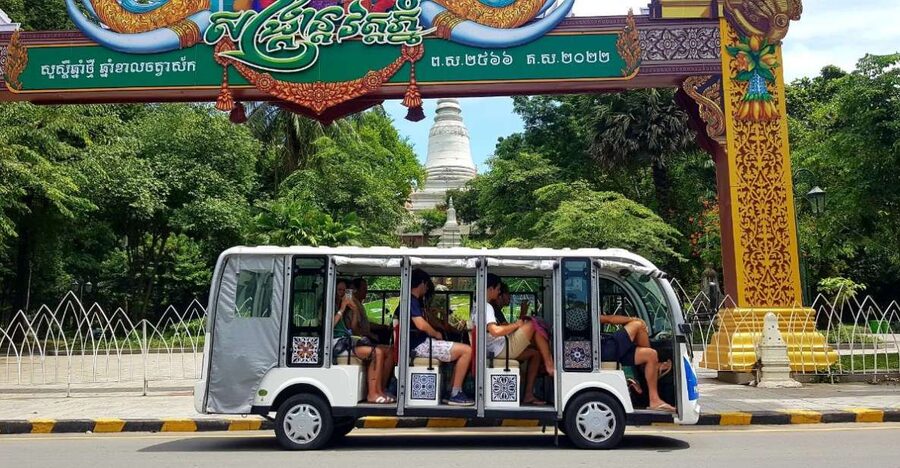
Many city tours provide an audio device and leave you staring at a building. Here, the tablet is more useful because it carries visual material as well as spoken information.
You may see films, old photographs, and historical anecdotes connected to the site in front of you. The virtual visits are particularly helpful at buildings where public entry is restricted. They let you understand the inside of a place without pretending you have physically entered it.
The equipment includes tablets, headsets, and a bottle of water. Audio is offered in 10 languages: Cambodian, Chinese, English, French, German, Italian, Japanese, Korean, Russian, and Spanish.
The live instruction is in English and French. That distinction matters. If you do not follow either language comfortably, the audio guide is the part you will rely on most. If you do speak English or French, you can listen to the device while also picking up extra comments during the stops.
The tablet is not a replacement for looking around. Keep your attention on the actual streets and buildings, then use the screen to add context. That balance will make the tour feel less like a lesson on wheels.
How the history is handled
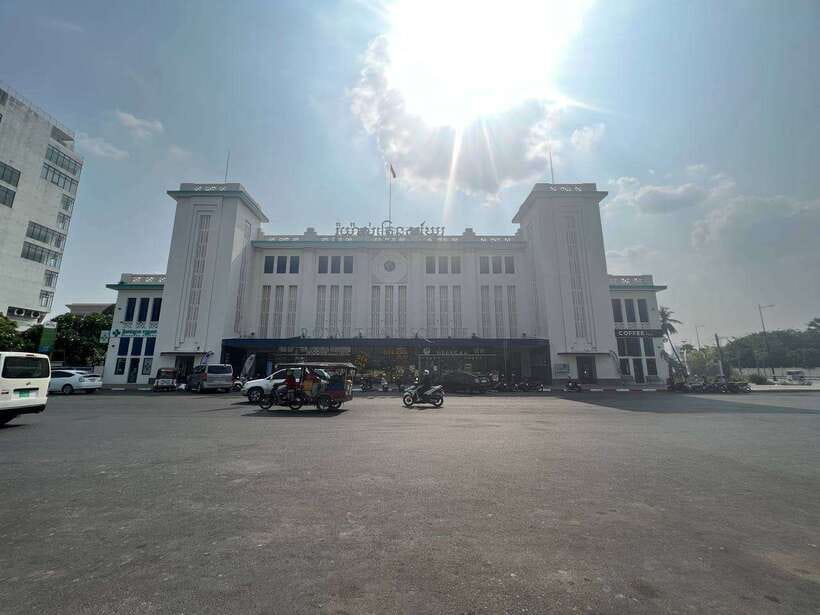
The historical range is wide. The tour covers the royal family, the lifestyle of Phnom Penh’s elite at the start of the twentieth century, the organization of social life, colonial-era architecture, and the Khmer Rouge period.
That last subject needs care. The tour includes the dark years of the Khmer Rouge regime as part of the city’s wider story. It is useful context, but this outing is not presented as a dedicated genocide memorial tour. If you want a long, detailed visit focused on the Khmer Rouge period, you will need a separate experience.
The strength here is the connection between periods. Phnom Penh’s present cannot be understood through royal buildings alone, or through colonial architecture alone. The tour places the city’s pleasures, institutions, power structures, and tragedies in the same story.
You should expect a broad introduction rather than an academic lecture. The films and photographs keep the material accessible, while the guide can add detail at the stops. In a small group, you may also have a chance to ask questions directly. One recent outing had only three people, which allowed the guide to add extra information and give the group more personal attention. Group size is not specified as a standard feature, so do not assume every departure will be that small.
Comfort in Phnom Penh’s heat
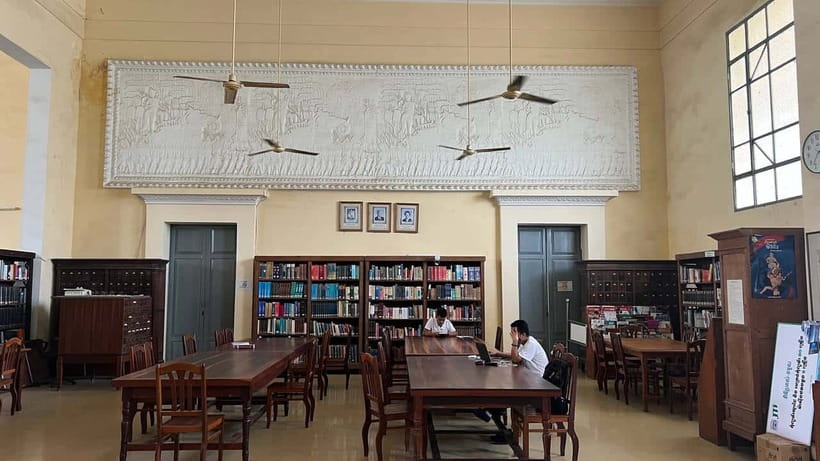
The electric bus is a practical choice in a hot capital. You still get out at several points, but you are not walking between all 19 stops. That makes the route easier for anyone who wants to see a wide area without committing to a long walk.
A bottle of water is included, but I would still dress for heat and bring anything else you normally need for a few hours outdoors. The bus reduces the strain, not the climate.
The pace is likely to feel active but manageable. You alternate between riding, watching material on the tablet, listening to explanations, and walking into selected sites. If you prefer to spend 30 or 45 minutes inside one building, this is not the right format. If you want a broad city introduction with regular changes of scene, it is a better match.
The transport also avoids the need to arrange a separate tuk-tuk for every section of the route. Private tuk-tuk transport is not included, and there is no hotel pickup or drop-off, so you need to make your own way to the departure point.
What $27 gets you
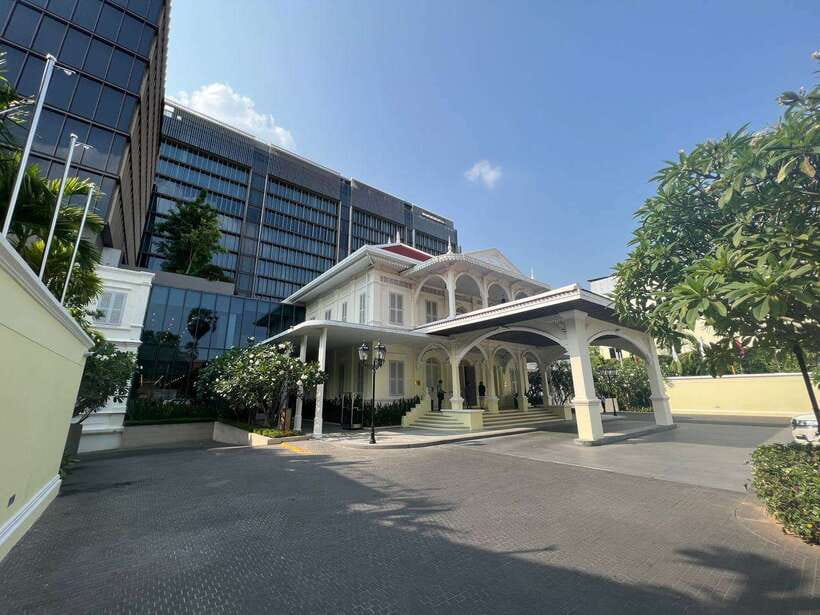
At $27 per person, the value rests on the combination of transport, a live guide, equipment, multilingual audio, and access to a broad set of locations. You are paying for orientation as much as for sightseeing.
A standard ride around town could show you many buildings for less, but it would not explain the connections between them. A private guide could offer more flexibility, but would usually cost more and may not include the tablet films or virtual interiors.
The tour is especially good value if you are new to Phnom Penh and want help deciding what deserves a longer visit. The final stop on Street 240 is part of that value. You finish near the Royal Palace and riverside, so you can continue your day rather than being returned to a distant starting point.
The price does not cover food, drinks beyond the provided bottle of water, hotel transfers, or private transportation. Keep those costs in mind when planning the day. The activity lasts 2.5 hours, so it also leaves room for a museum, meal, or independent walk afterward.
Ending on Street 240 near the Royal Palace
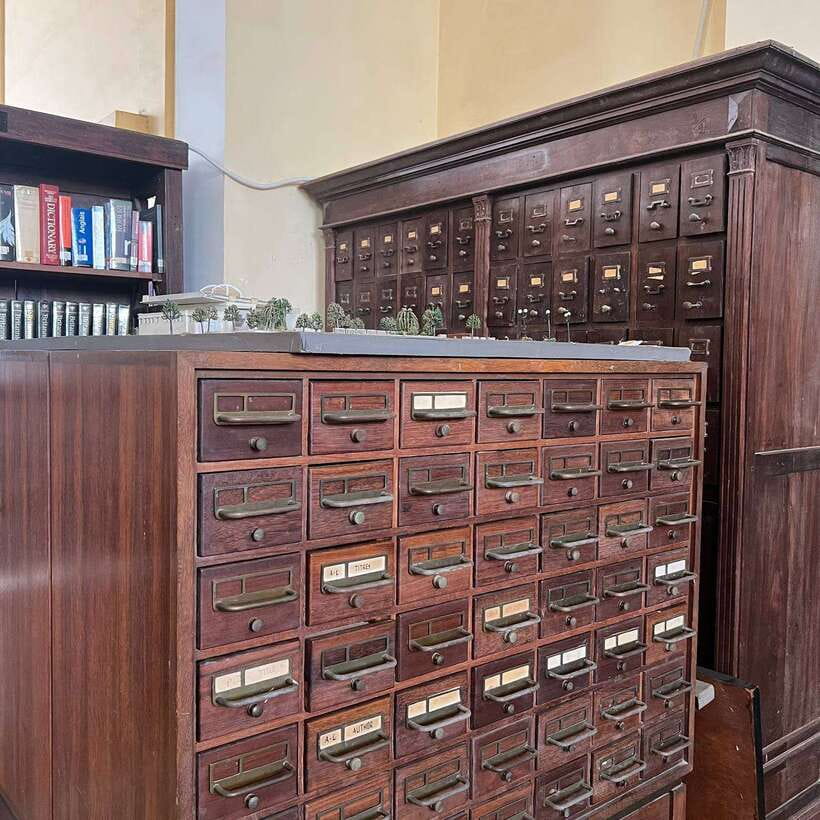
The closing location is well chosen. Street 240 is near the Royal Palace and the riverside, two of the most useful areas for continuing your Phnom Penh visit.
You can use the ending as a handoff from guided sightseeing to your own plans. If the tour has shown you a building or subject you want to explore further, this is a sensible place to continue. It also keeps the outing from feeling like a complete day package that dictates what you do next.
I like tours that end in a useful neighborhood rather than at an isolated transport point. Here, you can carry on at your own pace, provided you have already planned how to reach the start of the activity.
Who should book this experience?
I would recommend it most strongly to first-time visitors, architecture fans, history-minded visitors, and anyone who wants a calm introduction to Phnom Penh before choosing longer individual visits.
It also suits you if you want information in a language other than English or French. The 10-language audio selection is a real advantage, especially when the city’s history covers several complicated periods.
Families and older visitors may appreciate the reduced walking compared with a full walking tour, though the activity still includes several exits and visits on foot. It is also a good choice if you dislike routine sightseeing circuits. The three unusual interior stops and the tablet’s historical material give the route a less standard feel.
I would choose something else if you want deep time inside one museum, a dedicated Khmer Rouge memorial visit, or a private itinerary built around your exact interests. The broad coverage is the point here, and broad coverage always means shorter visits.
Small details that make the day work better
Plan your own transport to the meeting point because hotel pickup and drop-off are not included. Wear light clothing suitable for warm conditions and keep your listening device ready when the group moves between the bus and a stop.
If you understand English or French, listen to the live guide as well as the tablet. The guide can add comments that are not part of the recorded material, particularly during the walk-in visits.
The booking terms are flexible: you can cancel up to 24 hours before departure for a full refund, and you can reserve now and pay later. Starting times vary, so check availability for the date you want.
Should you book the Phnom Penh Heritage Tour?
Book it if you want one well-paced introduction to 22 important places, especially if Phnom Penh is new to you. The electric bus, visual tablet material, short walks, and three unusual interior visits give you more substance than a simple city loop.
Skip it if you already know the capital well or want to spend serious time at individual museums and monuments. For $27, though, it offers a sensible first look, useful historical context, and a convenient finish near the Royal Palace and riverside. I would take it near the start of a Phnom Penh stay, then use the rest of the trip to return to the places that caught your attention.
FAQ
How long does the Phnom Penh Heritage Tour last?
The tour lasts 2.5 hours.
How much does the tour cost?
The price is $27 per person.
How many places does the tour cover?
The tour has 19 stops and introduces 22 major historic sites in Phnom Penh.
What languages are available?
The live instruction is in English and French. The audio guide is available in Cambodian, Chinese, English, French, German, Italian, Japanese, Korean, Russian, and Spanish.
What is included in the tour?
Tablets, headsets, a bottle of water, and the multilingual audio guide are included.
Is hotel pickup included?
No. Hotel pickup and drop-off are not included, so you must arrange your own way to and from the tour.
Does the tour include food or drinks?
Food and drinks are not included. A bottle of water is provided.
Can I cancel the booking or pay later?
You can cancel up to 24 hours in advance for a full refund. The tour also allows you to reserve now and pay later.
Recently added around the world
- TopView® 48 Hr Hop on Hop off Bus Tour with River Cruise & Walks★ 3.5 · 83 reviews
- TopView® 24 Hr Hop on Hop off Bus Tour with River Cruise & Walks★ 3.0 · 87 reviews
- City Sightseeing Llandudno Hop-On Hop-Off Bus Tour★ 4.0 · 109 reviews
- Two Treasures Day Trip by Bus: Florence & Pisa★ 5.0 · 25 reviews
- Special Summer Cruise Bus Tour of Lofoten★ 4.5 · 83 reviews
- City Sightseeing Livorno Hop-On Hop-Off Bus Tour★ 3.0 · 33 reviews
- The Liverpool Pass®: All top attractions inc. Hop-On Hop-Off Bus Tour | 2-Days★ 4.5 · 11 reviews
- The Liverpool Pass®: All top attractions inc. Hop-On Hop-Off Bus Tour | 1-Day★ 3.0 · 8 reviews
Historical Tours, compared.

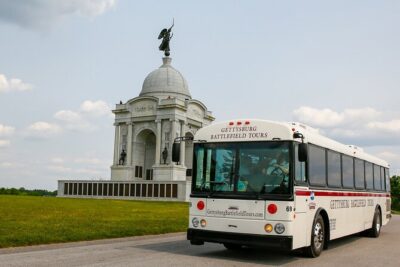
2-Hour Gettysburg Battlefield Guided History Bus Tour with a National Park Guide
Read our review →
Top Rated Brooklyn Half-Day Food, History & Culture Tour via bus
Read our review →
Charleston: Historic City Highlights Guided Bus Tour
Read our review →

Memphis: Big Mojo Sun Studio + Music History 3-Hour Bus Tour
Read our review →
Browse the lists this tour appears in